 Debby Wijaya
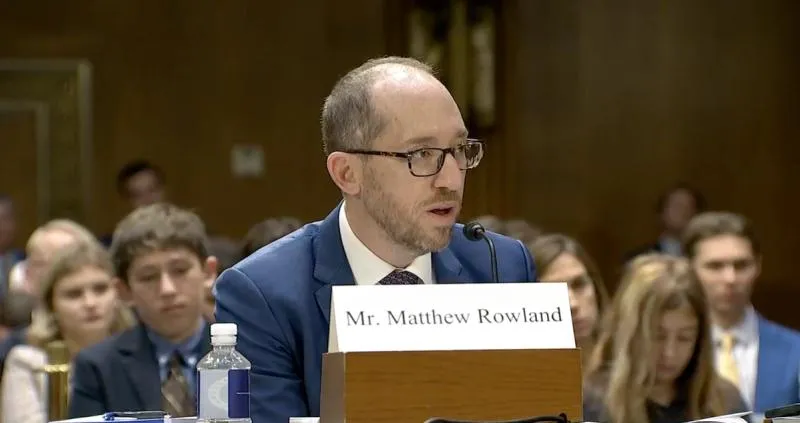
WASHINGTON – Matthew Rowland, one of two nominees put forward to fill a commissioner position at the U.S. Commodity Futures Trading Commission (CFTC), has openly expressed skepticism regarding the public benefit of prediction markets. This statement emerges amidst escalating legal battles surrounding these innovative financial instruments, signaling a potential shift towards stricter regulatory policies in the future.
Rowland, a Democratic nominee, emphasized his aspiration to be actively involved in the rulemaking process concerning prediction markets. This stance highlights the intensifying debate over how entities like Polymarket operate and whether such platforms provide legitimate economic value or pose risks to investors and market integrity.
Prediction markets, which allow users to wager on the outcomes of future events, have garnered significant attention due to their speculative nature and frequent clashes with evolving regulations. Regulators like the CFTC grapple with defining whether these instruments constitute commodities, securities, or a new category requiring a distinct legal framework.
The primary challenge lies in balancing financial innovation with consumer protection. On one hand, proponents of prediction markets argue that these platforms can serve as efficient tools for information aggregation and event forecasting, potentially contributing to more accurate pricing for various occurrences, from election outcomes to climate change.
However, critics, including Rowland, voice concerns about inherent risks such as market manipulation, the potential for disguised illegal gambling practices, and insufficient transparency to safeguard participants. These concerns are amplified with the growing transaction volume and adoption of blockchain-based prediction markets.
The Polymarket case has become a central focus in this contention. The platform previously faced regulatory pressure, underscoring the complexities in categorizing and regulating new financial products emerging from the digital ecosystem. Similar issues have also arisen in the context of cryptocurrencies and other digital commodities.
Rowland's remarks suggest that if he is confirmed as a commissioner, the CFTC will likely adopt a more conservative and cautious approach to prediction markets. This could involve establishing clearer boundaries, imposing stricter reporting requirements, or even prohibiting certain types of prediction markets deemed too risky.
Industry players in the prediction market sector are now closely monitoring developments in Washington. The appointment of new commissioners and the CFTC's policy direction will have significant implications for the future of this industry in the United States, potentially impacting innovation and growth in the digital economy sector.
The Commission is responsible for regulating futures and options markets for commodities in the United States. Therefore, a nominee's views on crucial issues like prediction markets will shape the regulatory landscape for digital assets and their derivatives.
The debate surrounding prediction markets also reflects a broader discussion on how new technologies and innovative business models should be accommodated within existing legal frameworks. This is a challenge faced by many nations, including Indonesia, in their efforts to maintain economic stability and protect the public.
Editorial Insight: Matthew Rowland's statement marks a critical juncture for the prediction market industry. With increasing regulatory scrutiny, innovators may need to find new ways to balance the potential for information aggregation with legal compliance. The CFTC's future actions will not only shape the future of prediction markets in the U.S. but could also set a precedent for other global regulators facing similar challenges in a rapidly evolving digital economy.