 Robert Andrison
BRUSSELS — European Union member states have officially agreed on the 21st package of sanctions against the Russian Federation in the first half of 2026. This significant decision was made with the primary goal of curbing Russia's oil sector revenues, as part of ongoing efforts to respond to the conflict in Ukraine. This consensus is expected to tighten the EU's economic grip on Moscow, despite the withdrawal of a proposed fish import ban.
The agreement reached in Brussels reflects the bloc's commitment to continue exerting financial pressure on the Kremlin. Since Russia's full-scale invasion of Ukraine in February 2022, the EU has consistently implemented a wide range of sanctions, targeting various key sectors of the Russian economy, from energy, finance, technology, to individuals and entities.
This new sanctions package specifically focuses on further restrictions on Russian oil revenues. Oil and natural gas form the backbone of the Russian economy, accounting for a large portion of the state budget. By limiting the flow of revenue from these commodities, the EU hopes to reduce Russia's ability to finance its military operations in Ukraine.
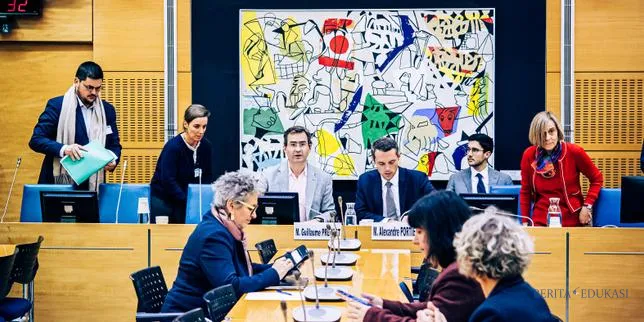
Diplomats in Brussels stated that discussions on this sanctions package were tough, given the complexity of the potential impact on EU member states themselves. However, the priority of weakening Russia's war machine remained the main driver behind this collective decision.
This EU move adds to a growing list of international efforts to economically isolate Russia. Various other countries, including the United States and the United Kingdom, have also implemented similar sanctions, creating a global network of restrictions aimed at limiting Russia's access to international markets, vital technology, and finance.
Despite the package's primary focus on oil, interesting details emerged regarding a fish import ban. Initially, a plan to ban imports of fisheries products from Russia was considered but was ultimately withdrawn from the final draft. Diplomatic sources indicated that this decision was based on considerations of the impact on the fishing industry in several EU member states, as well as potential supply chain disruptions.
The exclusion of the fish import ban demonstrates an internal compromise among member states. Maintaining solidarity among the 27 EU countries often requires complex negotiations and adjustments to accommodate diverse economic interests, while still upholding broader strategic objectives.
Economic analysts predict that the cumulative effect of this 21st sanctions package will further exacerbate Russia's economic challenges. Although Moscow has tried to divert its oil exports to other markets, especially in Asia, price caps and insurance restrictions imposed by the West continue to hinder its revenue potential. This is relevant in a situation where Germany, one of the EU's economic powerhouses, even considered new debt to prevent social collapse due to global economic pressures.
Through its Foreign Ministry spokesperson, the Russian government has repeatedly condemned these sanctions as illegal and unproductive actions that harm global economic stability. However, these calls have not shaken the determination of the EU and its allies to continue pressuring Russia until the aggression in Ukraine ends.
Meanwhile, the conflict in Ukraine continues. The conditions of soldiers on the front lines, as described in the article "The Story of a Ukrainian Soldier: 346 Days of Trench Hell, Enemy Weapons as War Trophies", show the scale of horror still faced on the battlefield. Therefore, for the EU, economic sanctions are a crucial instrument to accelerate the end of the conflict and support Ukraine's territorial integrity.
This decision also comes amid increasing attention to the defense capabilities of the EU and NATO. Member states like Germany continue to intensify ammunition production and even build Europe's largest gunpowder factory, underscoring the urgency of strengthening security in the region. This indicates that the EU's response is not only economic but also strategic in the long term.
The full effectiveness of the 21st sanctions package will continue to be monitored in the coming months. However, by enacting these sanctions, the EU once again reaffirms its firm stance against Russian aggression, while also demonstrating its ability to adapt and make difficult decisions for collective interests and peace in Europe.