 Dorry Archiles
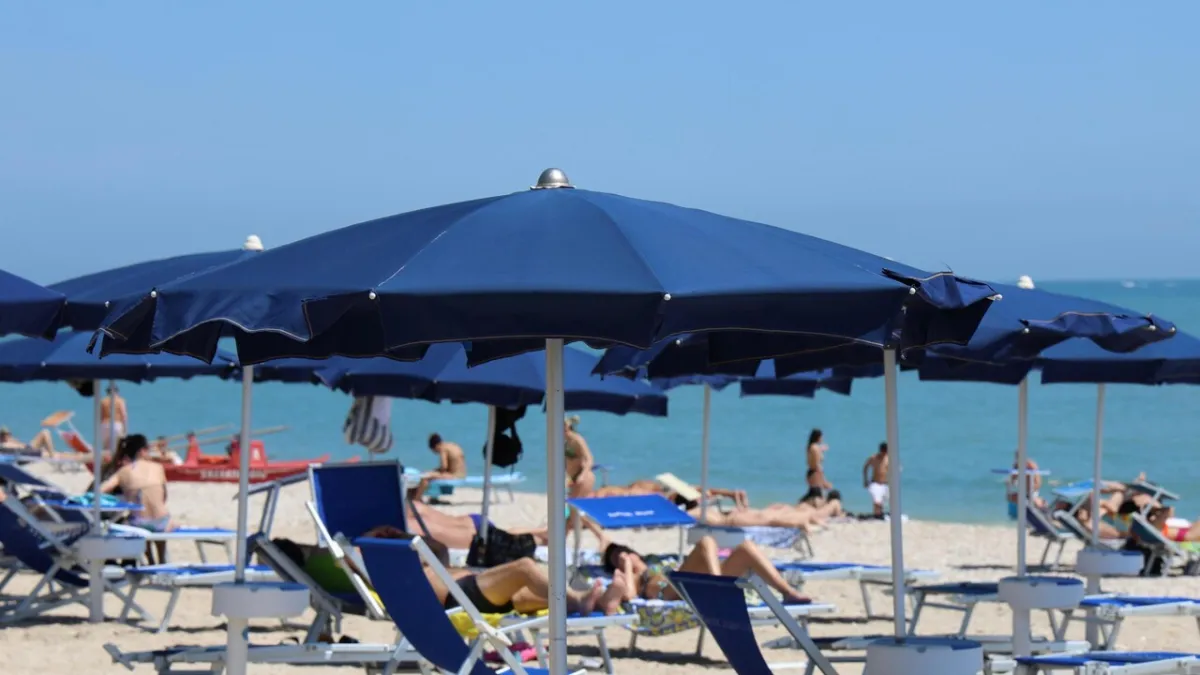
ROME – Europeans collectively spent a staggering 20 billion euros, approximately 340 trillion Indonesian Rupiah, during the summer holiday months of July and August 2026. This monumental figure, revealed by Demoskopika, a leading research institute, also highlights that 541 million euros of the total expenditure was a direct consequence of price increases or inflation. This phenomenon underscores the paradox between the desire for leisure and the persistent economic pressures looming over the continent.
Demoskopika's report details that this enormous spending signifies a robust recovery for the tourism sector after several challenging years. However, beneath the surface of these impressive figures lies a significant burden on consumers due to soaring prices. These price hikes are not merely an anomaly but reflect a broader global economic trend impacting every facet of life, including recreation.
Specifically, the study uncovered an average cost increase of 2.86 euros for each overnight stay and an additional 12.50 euros per tourist during the holiday period. This data provides a concrete illustration of how travel and accommodation costs have escalated, compelling travelers to allocate larger budgets than initially planned.
Europe's economic situation in 2026 remains in a phase of recovery marked by uncertainty. Although economic activities are gaining momentum, inflationary pressures fueled by various factors such as global supply chain disruptions and energy price fluctuations continue to be a concern. This context is crucial for understanding why substantial holiday spending does not entirely reflect an increase in real purchasing power.
Some may opt for domestic travel or seek more affordable alternatives, while others might be forced to reduce the duration or frequency of their trips. This creates new dynamics within the tourism market, demanding adaptation from industry players.
Comparisons with previous years indicate a rise in travel volume, yet the real value of that expenditure is eroded by inflation. The tourism industry faces a dual challenge: meeting high demand while managing consumer expectations that are increasingly price-sensitive.
Dr. Elena Rossi, a tourism economist from the University of Bologna, offered her perspective. This figure demonstrates the resilience of people's desire to travel, despite palpable inflationary pressures. The real challenge lies in how the tourism sector can maintain quality without excessively burdening consumers, she stated. This analysis emphasizes the need for long-term strategies within the industry.
The implications of Demoskopika's data extend across the entire European tourism ecosystem. Popular destinations may remain attractive, but they must compete more fiercely in offering value. Conversely, lesser-known destinations with lower living costs could benefit. Shifts in consumer behavior are key to understanding future trends.
Governments and tourism associations across various European nations are now tasked with balancing economic growth with the sustainability of public purchasing power. Incentive policies or promotions for domestic tourism may become more prevalent to keep the sector vibrant amidst price volatility.
This phenomenon of high holiday spending, yet burdened by inflation, serves as a crucial indicator for policymakers across Europe. Related articles, such as France Overtakes Italy: Europe's Debt Concerns Shift to Paris, also underscore the complex economic dynamics in the region, where fiscal pressures and inflation are major concerns, affecting not only holidays but also financial stability.
Editorial Insight: Demoskopika's data presents a dual narrative: the public's enthusiasm for holidays and the stark reality of eroding inflationary pressures. Moving forward, the European tourism sector must become more innovative, not only in attracting tourists but also in offering valuable experiences without triggering extreme price increases. The potential for stagnation in real consumption could be a threat if public purchasing power continues to diminish. Governments and industry players are obligated to collaborate to maintain a balance between profitability and affordability.