 Angel Doris
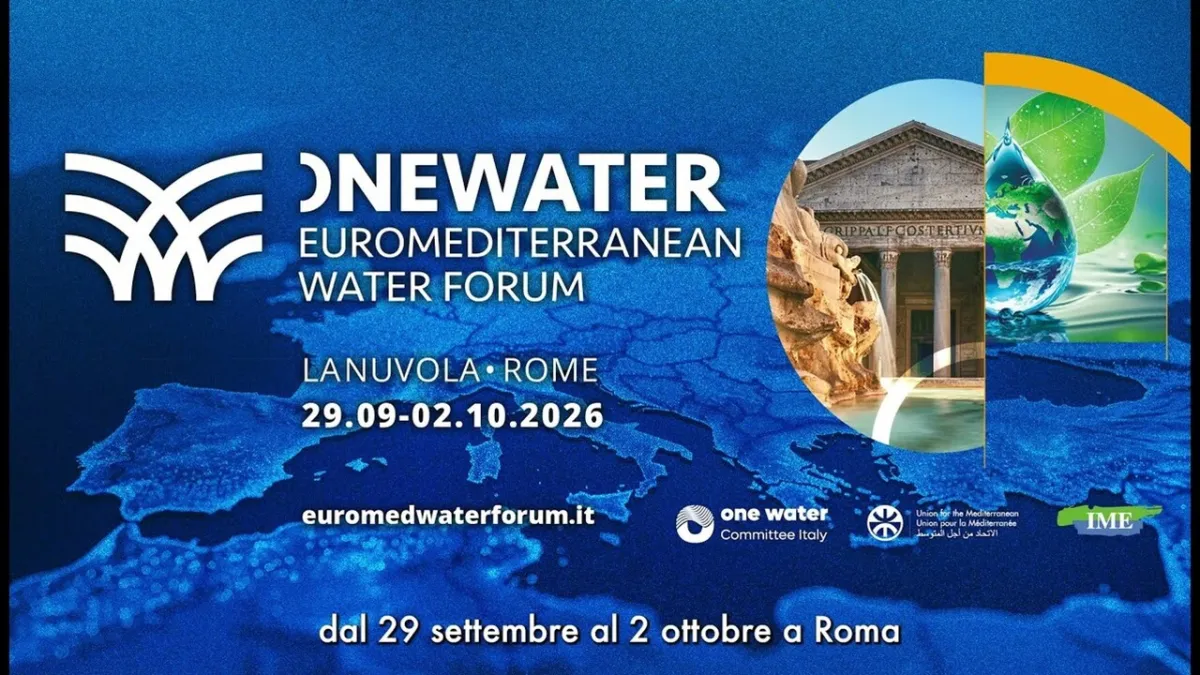
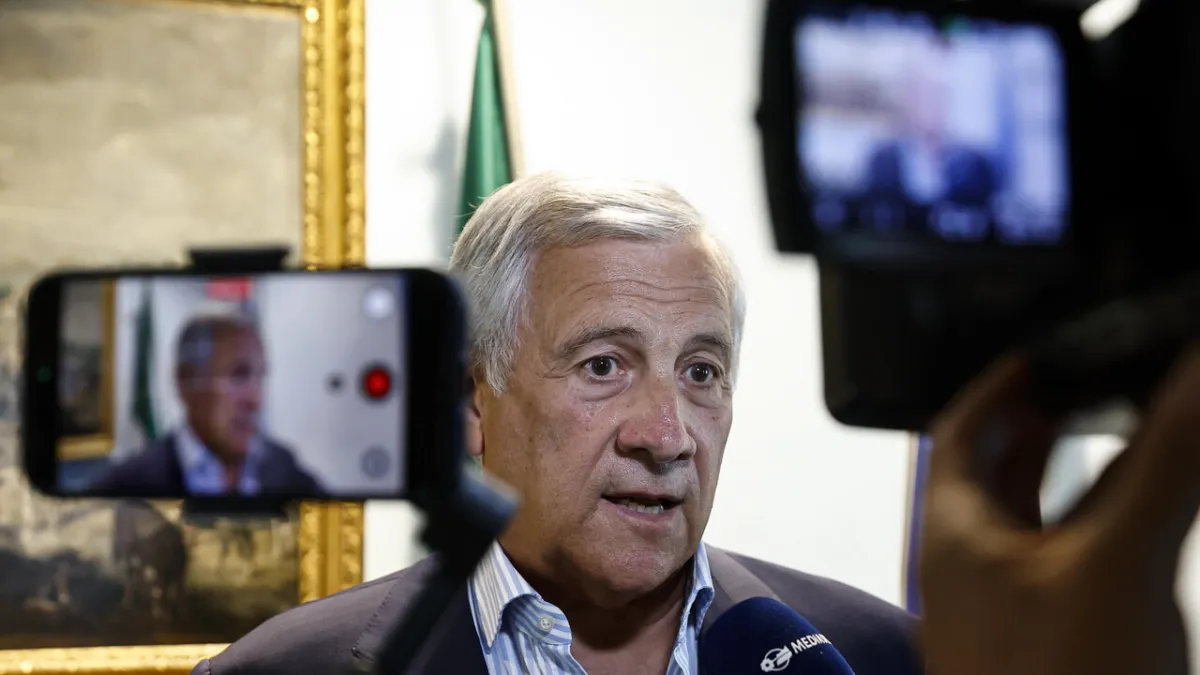
ROME – The prospect of sovereign and sustainable water governance became the central topic in the AnsaIncontra discussions, a leading dialogue initiative, in preparation for the Euro-Mediterranean Water Forum. This significant event brought together Italy's Minister of Environment and Energy Security, Gilberto Pichetto Fratin, President of Ansa, Alessandro M. Spena, along with expert and official, Stefano Giordani, underscoring the urgency of managing this vital resource in 2026. This crucial dialogue highlighted how cultural dimensions and democratic principles must form the primary foundation for formulating inclusive and effective water policies.
The in-depth discussion centered on a paradigm shift, from merely technical management to recognizing water as a cultural asset and a human right requiring broad public participation. The concept of water sovereignty, as emphasized, transcends mere ownership; it encompasses a nation's or community's capacity to independently determine how its water resources are accessed, used, and protected for the well-being of present and future generations.
Minister Pichetto Fratin addressed the importance of an adaptive response to global climate challenges. Water is not merely a commodity; it is the essence of life and the pillar of civilization, he stated. Our water policies can no longer be separate from the realities of climate change. We must ensure every decision is based on scientific knowledge, social justice, and respect for local wisdom. This statement affirms Italy's commitment to a comprehensive water management strategy.
Alessandro M. Spena, representing Ansa, emphasized the media's role in shaping public awareness and facilitating constructive dialogue. Journalism has a responsibility not only to report facts but also to highlight the complexities of water issues, and to provide a platform for diverse voices, from governments to indigenous communities, Spena noted. This is essential for building strong consensus and public support for necessary reforms.
Stefano Giordani added a technical and regulatory perspective, highlighting the importance of robust and transparent legal frameworks. Effective water governance requires clear regulations, consistent law enforcement, and fair dispute resolution mechanisms, he explained. Without this framework, the best efforts for conservation and equitable distribution will be hampered.
The Euro-Mediterranean region faces immense pressure on its water resources. Rising temperatures, erratic rainfall patterns, and increasing populations create an imbalance that threatens ecological and social stability. Several countries, including Italy, have already felt the tangible impacts of water scarcity, which has even triggered economic difficulties and the search for alternative energy solutions.
Integrating the cultural dimension into water governance means acknowledging and valuing traditional practices, rituals, and local knowledge related to water. In many communities, water is seen as more than just a physical resource; it holds deep spiritual and symbolic meaning, which must be respected in policy formulation.
On the other hand, democracy plays a central role in ensuring that the voices of all stakeholders are heard. This includes meaningful public consultations, transparent access to information, and accountability mechanisms for policymakers. Citizen participation can lead to more relevant and sustainable solutions.
The Euro-Mediterranean Water Forum is expected to be a crucial platform for sharing best practices and developing collaborative strategies. The objective is to build an effective network of cooperation among countries, facilitate technology transfer, and strengthen institutional capacities to address future water challenges.
This debate is not only relevant for Europe and the Mediterranean but also provides valuable lessons for other regions worldwide facing similar issues. Prioritizing culture and democracy in water management is a proactive step toward global resource resilience and justice.
Editorial Insight:
Initiatives like AnsaIncontra and the Euro-Mediterranean Water Forum demonstrate increasing awareness of the urgency of the global water crisis and the complexity of its management. An approach that integrates culture and democracy is not merely idealism but a strategic imperative to achieve long-term solutions that are socially accepted and ecologically sustainable. The success of its implementation will largely depend on the political will and the capacity of nations to set aside short-term interests for the collective well-being. Without this strong foundation, technological investments and policies will struggle to achieve maximum impact.