 Dorry Archiles
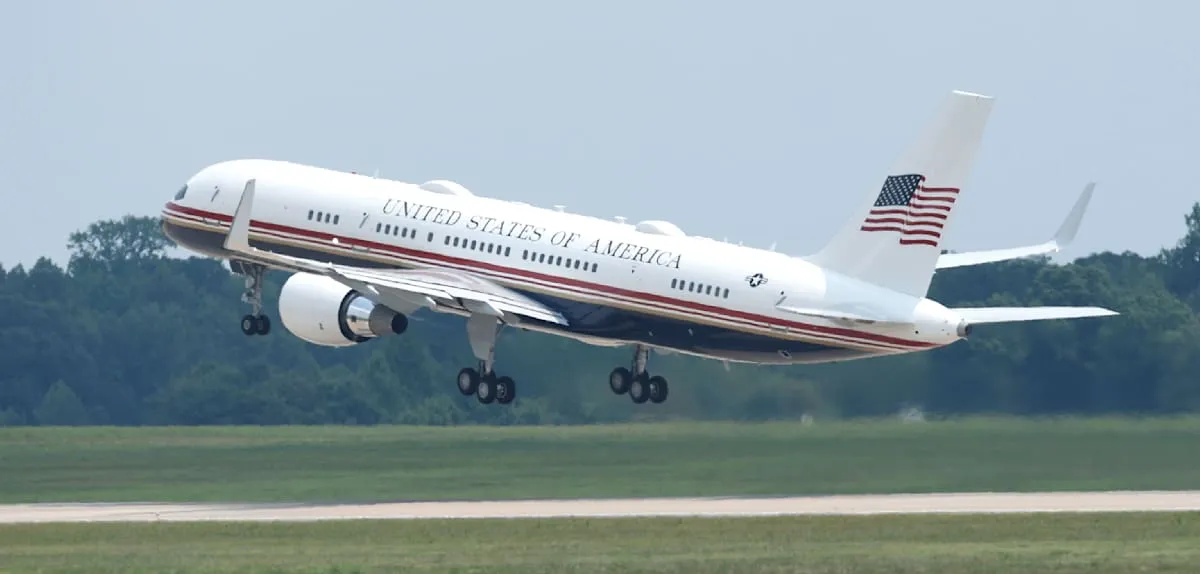
WASHINGTON — Global aerospace giant Boeing has once again plunged into a concerning financial state, recording significant losses in its latest earnings report. The primary catalyst for this downturn is the escalating costs and delays plaguing the modification project for the United States presidential aircraft, Air Force One, a program that has drawn public scrutiny since its contract initiation during the previous administration.
Recent data reveals that the company has incurred substantial operational losses. Specifically, the project involving two VC-25B aircraft, which are military versions of the Boeing 747-8 destined to become the new Air Force One fleet, is now running four years behind schedule. Furthermore, the project's budget has already exceeded initial estimates by more than one billion US dollars.
In its financial disclosures, Boeing announced another write-down of 280 million US dollars solely for this presidential aircraft program. This figure adds to a cumulative string of losses, underscoring the complexities and execution challenges inherent in large-scale projects that involve advanced technology and stringent specifications.
The contract for modernizing the Air Force One fleet was signed during President Donald Trump's administration. The agreement stipulated extensive modifications to commercial Boeing 747-8 aircraft to meet the rigorous security, communication, and comfort standards required for a head of state. From its inception, the project was marked by intense negotiations and promises of efficiency.
However, the reality on the ground indicates that technical complexities, design changes, and inflationary pressures on material and labor costs have derailed initial projections. Aviation industry analysts point out how defense and state-level projects frequently encounter unforeseen obstacles leading to budget overruns.
“Projects like Air Force One are not merely about purchasing an aircraft, but developing the world's most sophisticated airborne defense system and mobile command center,” stated a defense expert who requested anonymity, explaining the immense challenges. “Every minute detail requires rigorous testing and certification, which inherently consumes both time and resources.”
The recurrent losses from this prestigious project have exerted severe pressure on Boeing's stock performance in global markets. Investors are increasingly questioning the effectiveness of project management and the company's ability to navigate risks in strategically significant government contracts. This further complicates Boeing's position as it strives to restore its reputation.
The domino effect of the Air Force One issues is not confined to the financial sector. Delays in delivering the new aircraft could also impact presidential logistical planning and the maintenance of the existing fleet. The US government, through the Department of Defense, continues to closely monitor the project's progress, demanding accountability from the contractor.
A Pentagon official, unauthorized to speak to the media, indicated that intensive discussions are underway with Boeing to find solutions for acceleration and cost mitigation. “Our goal is to ensure this critical asset is available to standard, without excessively burdening taxpayers' money,” the official stated.
The Air Force One narrative serves as a crucial case study on the challenges in military procurement and large-scale projects, especially when adapting civilian technology for highly specific military or state requirements. It also highlights the complexities of the relationship between governments and private contractors in strategic endeavors.
Boeing itself has reiterated its commitment to completing the project. However, the company also acknowledges unavoidable difficulties stemming from unique requirements and high levels of complexity. The company continues to strive for optimized production processes and supply chain management to minimize further losses.
Amidst this situation, the future of other Boeing defense projects is also being questioned by some parties. Public and investor confidence in the company's ability to manage major projects needs to be rebuilt through transparency and concrete performance. The Air Force One project is expected to offer valuable lessons for the industry.
Other aerospace companies are also closely observing the developments in Boeing's case. They are learning about the risks, complexities, and negotiations involved in government defense contracts, especially those involving extreme customization and intense public scrutiny.
Boeing's loss report adds to the list of challenges faced by the global manufacturing and technology sectors. The pandemic, supply chain disruptions, and geopolitical uncertainties have created a volatile operating environment, forcing companies to adapt quickly while incurring rising costs.
Boeing's shareholders and Board of Directors now face immense pressure to formulate a more robust long-term strategy. The foremost priority is ensuring business sustainability while fulfilling contractual commitments, particularly those related to symbols of national sovereignty like Air Force One.