 Debby Wijaya
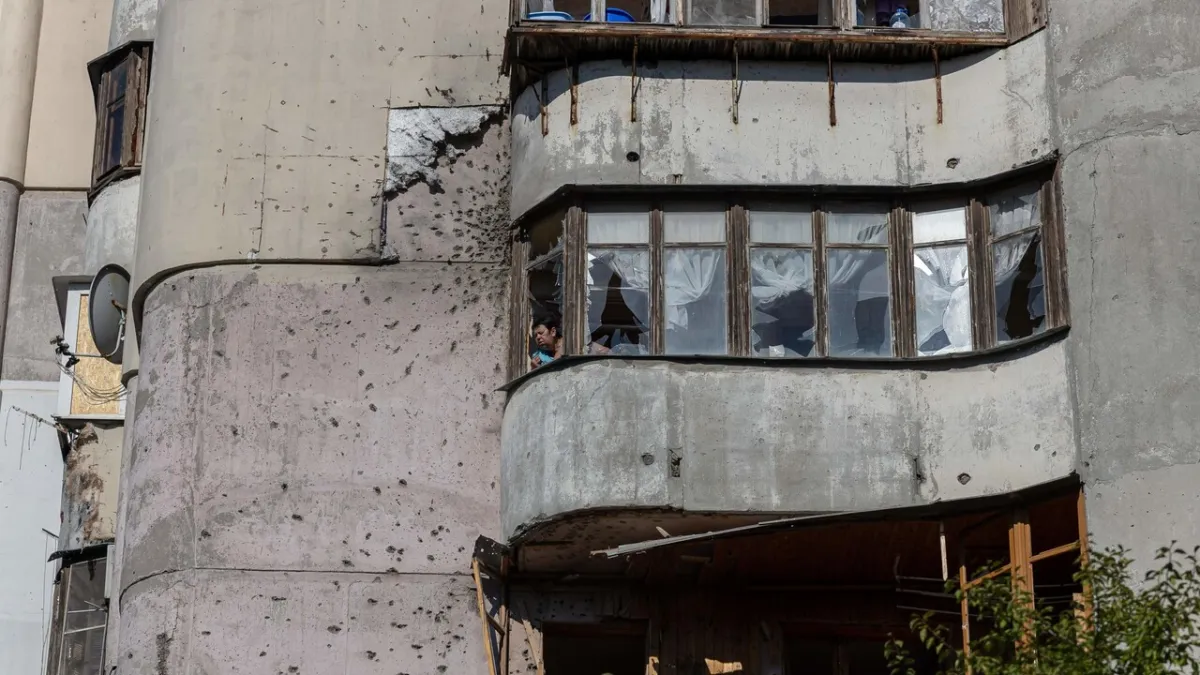
JAKARTA – A humanitarian crisis rooted in extreme overcrowding has reached a critical juncture in 2026, as various parts of the world witness an alarming surge in suicides directly linked to inhumane living conditions. This phenomenon, with a long history stretching back to ancient civilizations, is now peaking amidst modern pressures, posing a significant challenge for authorities and global humanitarian organizations.
Since ancient Roman times, historical records have hinted at the detrimental effects of confining humans in limited spaces. Cramped underground prisons, makeshift refugee camps, and rapidly growing urban slums all stand as silent witnesses to how extreme overcrowding strips individuals of their dignity and hope. These conditions have consistently fueled despair, a dark legacy that continues.
In 2026, reports from various humanitarian agencies indicate that the problem of extreme overcrowding is not confined to traditional areas such as prisons or refugee camps. Metropolitan cities in Asia, informal settlements in Latin America, and even some mental health facilities in Europe are facing immense pressure due to burgeoning populations without adequate supporting infrastructure.
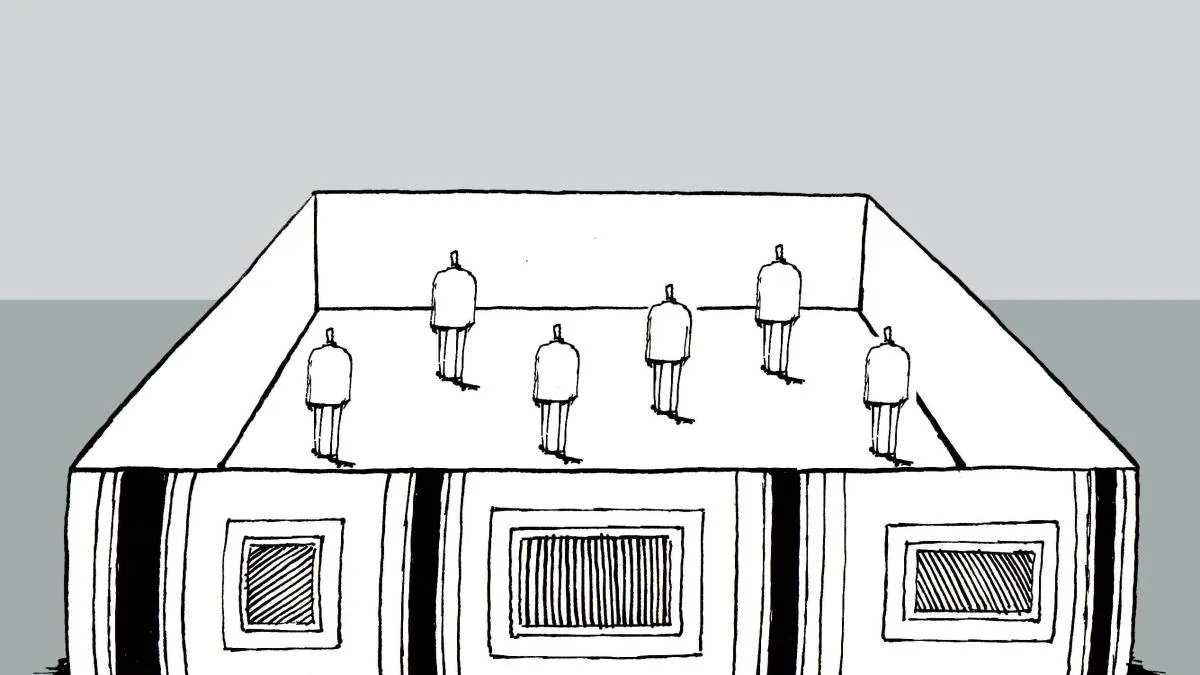
The psychological and social impacts of such conditions are severe. Individuals trapped in dense environments often experience chronic stress, severe depression, and a profound loss of privacy. Physical crowding frequently leads to a paradoxical emotional isolation, where one feels alone amidst a crowd, triggering both internal and external conflicts.
The global surge in suicides serves as the most tragic indicator of the crisiss severity. Early 2026 data shows a significant increase in suicide rates, particularly among vulnerable groups living in crowded and insecure conditions. Each number is not merely a statistic, but a real story of souls succumbing to unbearable pressure.
Dr. Anya Wijaya, a leading urban sociologist, highlights the complexity of this issue. She states that overcrowding is not just a spatial problem, but a reflection of social inequality and systemic failures in providing a decent quality of life. When basic needs like privacy and psychological security are neglected, mental health erodes, and suicide becomes an extreme manifestation of despair.
Responses from governments and international organizations are often deemed slow or inadequate. Although many initiatives have been launched, addressing root causes such as economic inequality, prolonged conflicts, and the impacts of the climate crisis that trigger forced migration, have not been fundamentally tackled. For instance, refugees from conflict zones are often forced to live in substandard conditions, adding to their psychological strain.
Recent reports highlight a case in a Southeast Asian prison, where suicide rates tripled over the past year due to extreme overpopulation. Tragically, similar conditions are also found in several refugee camps in Africa, where thousands of lives depend on minimal aid while struggling against severe mental pressure.
Comprehensive policy reforms are needed, focusing not only on adding physical infrastructure but also on integrated mental health programs. Investment in decent public spaces, access to psychological services, and community empowerment to create supportive environments are crucial steps that must be taken immediately.
Global collaboration is key to overcoming this cross-border crisis. Developed and developing nations must unite, sharing resources and expertise, to ensure that the human right to a dignified and mentally healthy life can be realized for all. Without decisive action, the dark shadow of this history will continue to haunt the future.
Editorial Insight: The phenomenon of extreme overcrowding leading to a suicide epidemic is not merely a sociological issue; it is a fundamental ethical and humanitarian challenge. The credibility of global institutions is at stake in confronting this crisis. Failure to address it will exacerbate social instability, threaten sustainable development, and leave deep scars on modern human civilization.