 Chandra Wijayanto
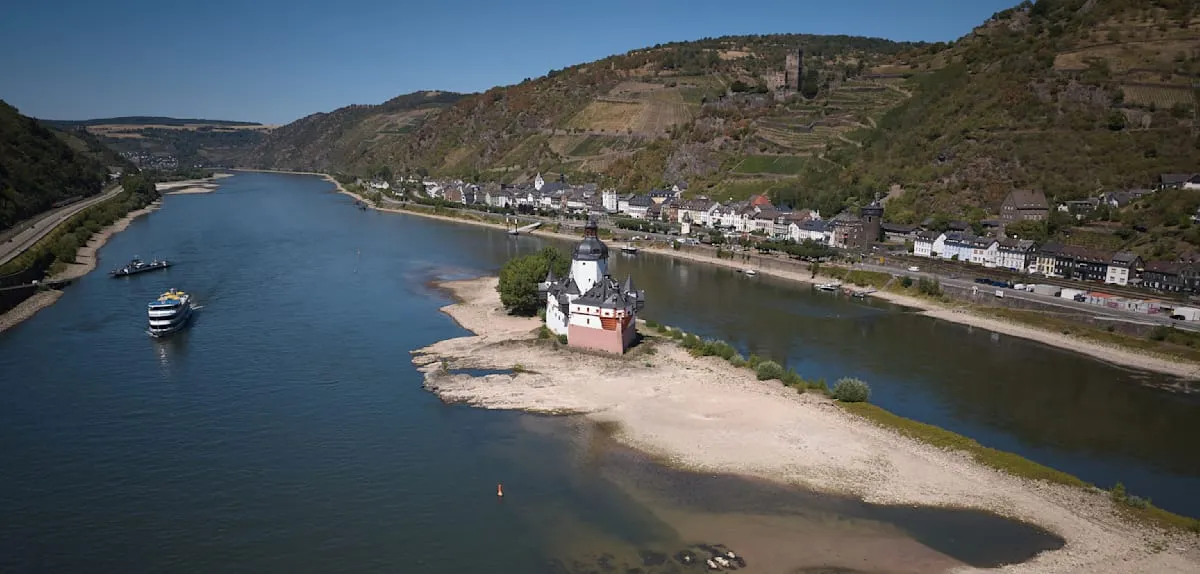
COLOGNE – The Rhine River, Europe's vital artery, faces a severe crisis this week following projections of extremely low water levels at several crucial points. This condition is feared to cut off navigation for cargo and excursion ships, effectively splitting the river into two unconnected segments. A serious warning was issued by a shipping federation, highlighting a critical threat to regional logistics and tourism.
German shipping associations have released an urgent statement, warning that ship operations will no longer be possible in certain sections of the river. This situation is expected to peak by the end of the week, forcing many operators to suspend or cancel journeys.
This drop in water levels is not a new phenomenon, but the scale of the current prediction is described as extremely alarming and unprecedented in recent decades. Summer 2026 saw extreme heatwaves across various parts of Europe, including Germany, contributing to a significant rainfall deficit and massive river water evaporation.
Hydrology expert from the University of Bonn, Professor Anna Schmidt, stated, "If these predictions materialize, the impact will extend not only to the transport sector but also to vulnerable aquatic ecosystems. We are facing the real consequences of climate change that demand a collective and strategic response."
The Rhine is a crucial transport route for coal, iron ore, petroleum products, and chemicals, supporting German industry and neighboring countries like the Netherlands and Belgium. Disruptions to this route could trigger massive supply chain disruptions and commodity price increases.
Smaller vessels might still operate with significantly reduced loads, but larger ships, the backbone of bulk cargo transport, will struggle to maneuver or even run aground in shallow sections of the river.
The Federation of German Industries (BDI) has also voiced similar concerns, emphasizing potential economic losses of billions of euros if navigation is halted for an extended period. "The government needs to formulate long-term adaptation strategies immediately, including deepening waterways and constructing water retention dams," said a BDI spokesperson.
The phenomenon of major European rivers drying up is also occurring elsewhere. For instance, the Po River in Italy also faces similar conditions, as reported in our related article: Italy's Water Crisis: Po River Dries Up, Cremona Threatened by Ecological Disaster. This crisis indicates a worrying and interconnected global climate pattern.
The impact on tourism is no less severe. Many river cruise operators have announced cancellations or schedule adjustments, causing significant losses for local businesses dependent on tourist arrivals, from hotels to restaurants along the river.
Local authorities are evaluating mitigation measures, including potential dredging of parts of the riverbed or the use of alternative routes, although these options are often limited by cost, implementation time, and potential adverse environmental impacts.
This situation underscores the urgency of climate change mitigation and the need for infrastructure adaptation to increasingly frequent extreme weather conditions. Policymakers now face pressure to take concrete and sustainable action.
The German government, through the Ministry of Environment, stated it would continue to monitor the situation closely and coordinate with downstream Rhine countries to ensure a unified and effective response in addressing this threat.
The extreme drought in Europe in 2026 highlights erratic weather patterns and poses a serious challenge to water resource resilience. Our other article on Italy Dries Up: Po River in Cremona Drastically Shrinks from Air in 2026 offers a similar perspective on climate impact on vital waterways.
Editorial Insight: The Rhine River water crisis is not merely a transient navigation issue, but a serious indicator of the European economic infrastructure's vulnerability to climate change. Long-term implications include rising logistics costs, supply chain disruptions, and potential permanent damage to ecosystems. The German government and the European Union must accelerate investment in adaptive infrastructure and ambitious climate mitigation policies for the future of this essential waterway, while also seeking more sustainable renewable energy solutions.