 Chandra Wijayanto
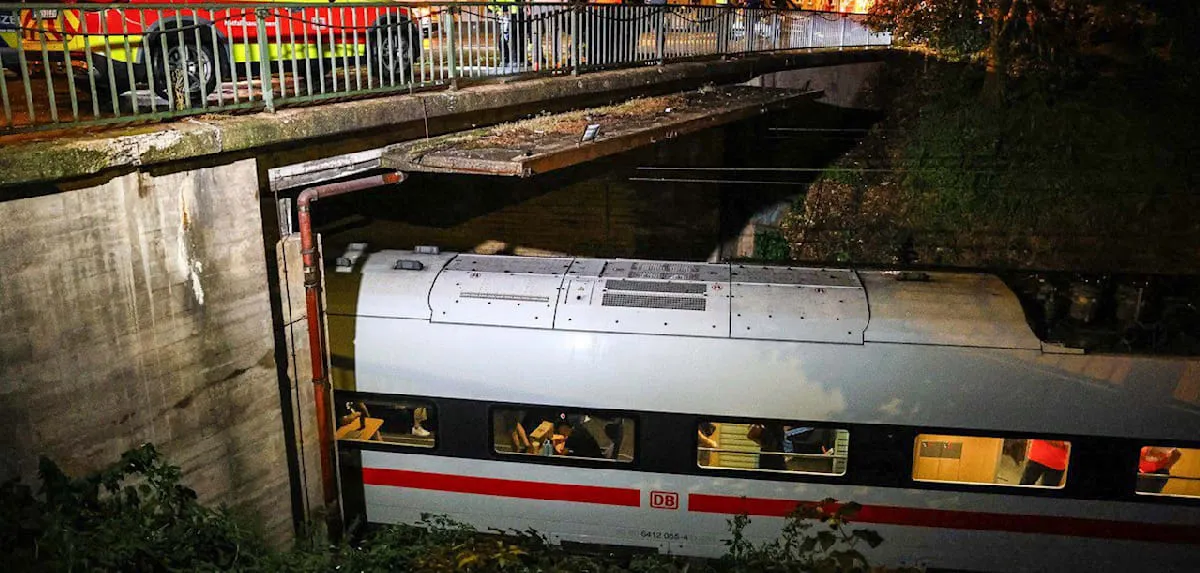
Germany — Hundreds of train passengers in Germany experienced lengthy waits and uncertainty following recent incidents where falling trees on overhead power lines paralyzed services in two North Rhine-Westphalia (NRW) regions. These events, occurring near Schwelm and Mönchengladbach, forced the evacuation of over 250 regional train passengers, while Intercity-Express (ICE) passengers remained stranded for more than four hours inside their carriages.
The first incident was reported near Schwelm, where a tree fell onto the overhead electrical lines, disrupting vital power supply. An ICE train, in motion at the time, was forced to a sudden halt, leaving passengers stranded mid-journey.
Railway personnel and emergency teams were promptly deployed to manage the critical situation. It took several hours to remove the tree and repair the damage. A diesel locomotive even had to be brought in to tow the disabled train, illustrating the complexity of the operation.
Shortly thereafter, a similar situation unfolded near Mönchengladbach. Two regional trains simultaneously became unable to proceed due to a comparable issue—falling trees obstructing the tracks and damaging electrical infrastructure. One of these trains reportedly carried approximately 250 passengers.
The evacuation process in Mönchengladbach was meticulous and required intense coordination. Passengers from both regional trains had to disembark and be transferred using alternative transportation, often involving significant waiting times, testing their patience amidst the inconvenience.
Many passengers expressed their disappointment and frustration over the lack of clear information and the extremely long waiting periods. A majority complained about the uncertainty of schedules and the impact on their important travel plans, whether for work or personal engagements.
Deutsche Bahn (DB), Germany's national railway operator, through its spokesperson, issued an apology for the incidents. They explained that extreme weather conditions, particularly unexpected strong winds, were the primary cause of the trees falling along the tracks. Restoration efforts are underway with maximum intensity.
Rail service disruptions due to extreme weather conditions are not a new phenomenon in Germany. Annually, Deutsche Bahn faces similar challenges, ranging from snowstorms to strong winds, which often impede operations. Similar occurrences, though with different causes, impacted Italy when a train derailed due to a herd of cows in Rome. This incident again highlights the vulnerability of transport infrastructure to climate change.
Such delays and evacuations not only cause loss of time for individuals but also impact the micro-economy, especially for those with important appointments or who need to arrive at their destinations punctually. Transportation crises can have a domino effect on productivity and community well-being.
German railway authorities are urged to re-evaluate their risk mitigation strategies against weather-induced disruptions. Investment in track maintenance, routine tree pruning, and enhanced early warning systems are crucial to prevent similar incidents from recurring and to maintain public trust in public transportation.