 Gabriella
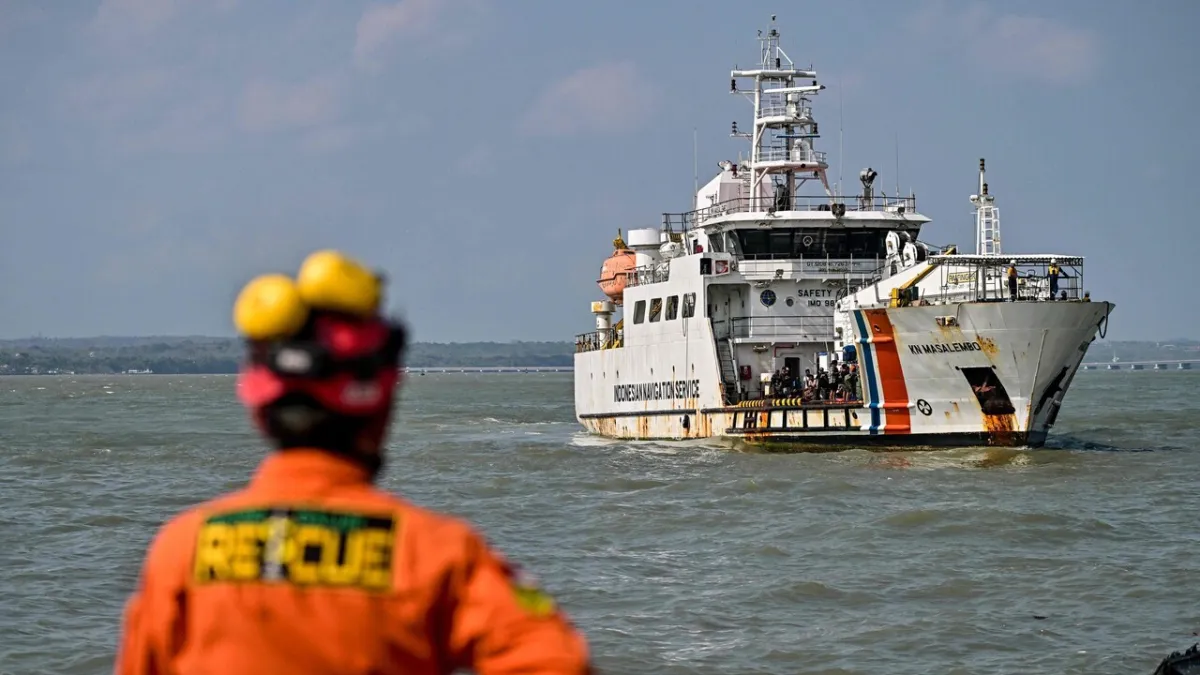
JAKARTA – A maritime tragedy struck Indonesian waters on Monday, April 15, 2026, when a ferry carrying 243 passengers and crew was reported to have lost contact. Rescue authorities confirmed one fatality, while 102 individuals were successfully rescued in an intensive search operation. This incident has raised serious concerns regarding domestic shipping safety standards.
The ferry, whose specific details have not yet been fully disclosed by authorities, was reportedly on a routine journey to Karimunjawa Island from a port in Central Java. The last contact was made around 08:00 AM Western Indonesia Time (WIB), before its signal completely vanished from radar surveillance several hours later, triggering an alarm at the maritime traffic control center.
A joint team comprising the National Search and Rescue Agency (Basarnas), the Indonesian Navy, and Maritime Police was immediately dispatched to the estimated location where the ferry lost contact. The search area covers a vast expanse of water, believed to have been affected by deteriorating weather conditions at the time of the incident, including high waves and strong winds.
At least one person has died and 102 others have been rescued, stated a rescue official involved in the operation. They affirmed that search and evacuation efforts would continue ceaselessly, with the hope of finding more survivors amidst the challenging conditions.
The survivors who were successfully evacuated immediately received medical attention and psychological support at emergency posts established in the nearest port. Many were still in shock, but their initial testimonies provided valuable clues for the SAR team in formulating their search strategy.
This incident adds to the long list of dark records regarding maritime safety in Indonesia. This archipelago nation, with its thousands of islands, heavily relies on sea transportation but often faces challenges in stringent oversight and adequate fleet maintenance.
Through the Ministry of Transportation and Basarnas, the government has expressed full commitment to investigating the cause of the ferry's disappearance. President Prabowo Subianto, on a separate occasion, conveyed his deepest condolences and instructed all levels of government to prioritize saving lives and to conduct a comprehensive evaluation of navigation procedures.
Families of the missing passengers and crew gathered at information posts, anxiously awaiting news. A poignant atmosphere enveloped the location, where volunteers and officials strove to provide moral support.
Maritime safety advocates and consumer organizations have once again voiced the importance of thorough audits of vessel seaworthiness, passenger capacity, and crew training. They demand the implementation of stricter regulations to prevent the recurrence of similar tragedies that claim many lives.
Initial investigations will likely highlight several factors, including the condition of the vessel's engines, the completeness of safety equipment, and, of course, the impact of extreme weather that may not have been optimally anticipated. All aspects will be thoroughly reviewed by the National Transportation Safety Committee (KNKT).
The importance of modernizing port infrastructure and ship fleets has become a major highlight. Many ferries currently in operation are aged, necessitating updates to meet stringent international safety standards.
Advanced technologies such as sonar and underwater drones have been deployed to help scour areas beneath the sea surface, especially in hard-to-reach spots. However, the vastness of the waters and ocean depths remain significant obstacles in this large-scale operation.
Long-term prevention efforts also require increasing public awareness about the importance of choosing safe and licensed sea transportation, as well as reporting potentially dangerous practices.
All elements of the nation, from the government to civil society, are expected to unite in supporting the rescue operation and ensuring that valuable lessons are learned from this tragic incident. A commitment to safety must be the highest priority to prevent future casualties.
Editorial Insight: The tragedy of the missing ferry in Indonesian waters serves as a bitter reminder of the vulnerabilities in our maritime transportation system. This event urges the government to not only focus on search and rescue but also on structural reforms, ranging from regulations and oversight to fleet modernization. Without comprehensive action, similar incidents are prone to recur, eroding public trust and threatening the safety of thousands of sea transport users.