 Stefani Rindus

ROME – The extreme heatwave that has plagued Italy throughout the summer of 2026 is finally showing signs of easing. However, this Ferragosto weekend, the country still faces the threat of expanding wildfires and extraordinary congestion due to holiday return traffic. This Sunday, only one city remains under 'bollino rosso' or red alert for heat-related health risks.
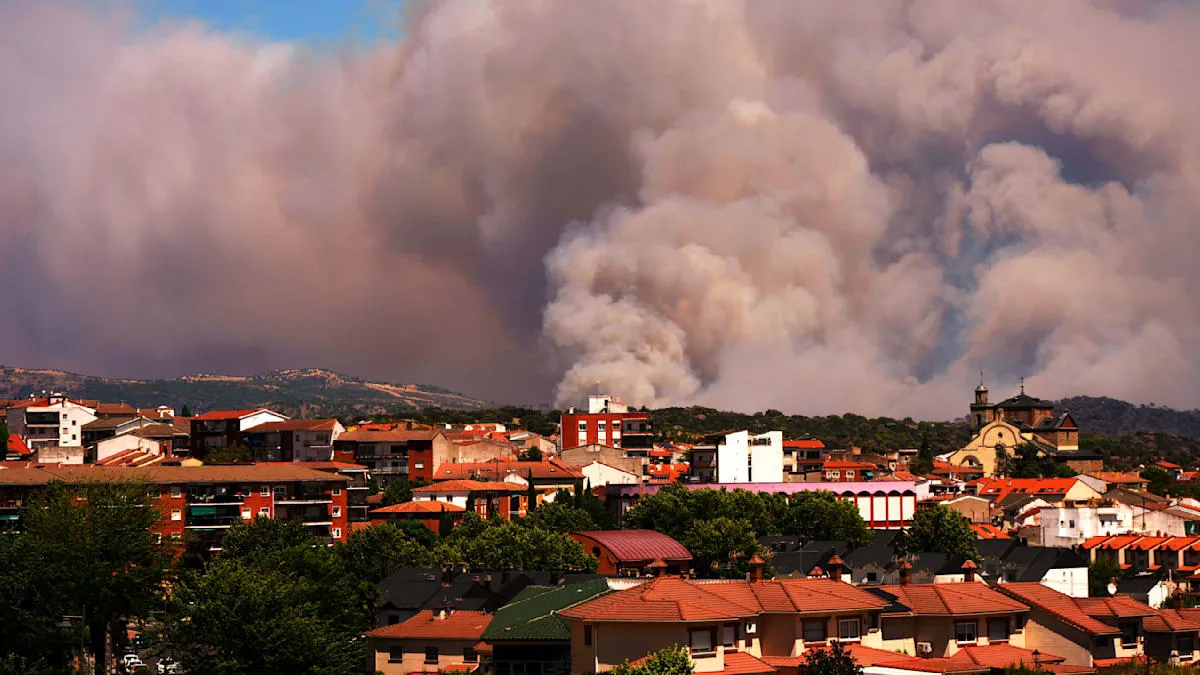
The Italian Civil Protection Office reported a significant temperature drop across most regions, offering a slight reprieve to millions of residents and tourists. Nevertheless, the risk of wildfires remains a serious concern, especially in the southern regions and large islands which are highly vulnerable.
Several new fire outbreaks have been reported, requiring intensive intervention from ground and aerial firefighting teams. Local authorities continue to urge high vigilance among the public to avoid activities that could spark fires, particularly in dry and windy areas.
The transportation sector, however, has become another focal point during this crucial summer holiday period. Approximately 24 million vehicles are expected to congest Italy's main roads over the Ferragosto weekend, triggering a controesodo or massive return exodus after the peak of the holidays. National highways and major urban arteries are predicted to experience severe traffic jams, with travel times significantly longer than usual.
Autostrade per l'Italia, the national highway operator, has issued warnings to drivers to plan their journeys carefully, avoid peak hours, and ensure vehicles are in optimal condition. Anticipate your travel or postpone your return if possible, to avoid congestion on the highways, said an Autostrade spokesperson.
This phenomenon of return traffic not only tests drivers' patience but also strains the national transportation infrastructure. Many Italian families use the long Ferragosto holiday to visit relatives or vacation by the sea, making it one of the busiest periods of the year.
Amidst this bustle, local and central governments continue to coordinate efforts to mitigate the impact of both major issues: fires and congestion. Special forces have been deployed to high-risk fire zones, while traffic police are on full alert to manage vehicle flow.
The bitter experience from previous heatwaves, which caused numerous fatalities and environmental damage, has prompted the government to be more proactive in addressing climate challenges. Although temperatures are becoming more favorable, the long-term effects of climate change remain a real threat to Italy.
The public is encouraged to stay updated with official information from authorities regarding traffic conditions and fire warnings. Collective awareness is key to facing these complex challenges, for collective safety and environmental preservation.
This situation also recalls massive forest fires in other parts of Europe, such as in Eifel, Germany, which also demonstrate the region's vulnerability to extreme weather impacts.
Editorial Insight: The easing of the heatwave in Italy brings relief, but the lingering challenges—wildfires and the Ferragosto return exodus—highlight the complexity of crisis management in the country. Italy's ability to effectively respond to these two issues will be a benchmark for infrastructure readiness and inter-agency coordination. Further investment in early warning systems and green infrastructure is needed to cope with extreme weather patterns predicted to become more frequent in the future.