 Robert Andrison
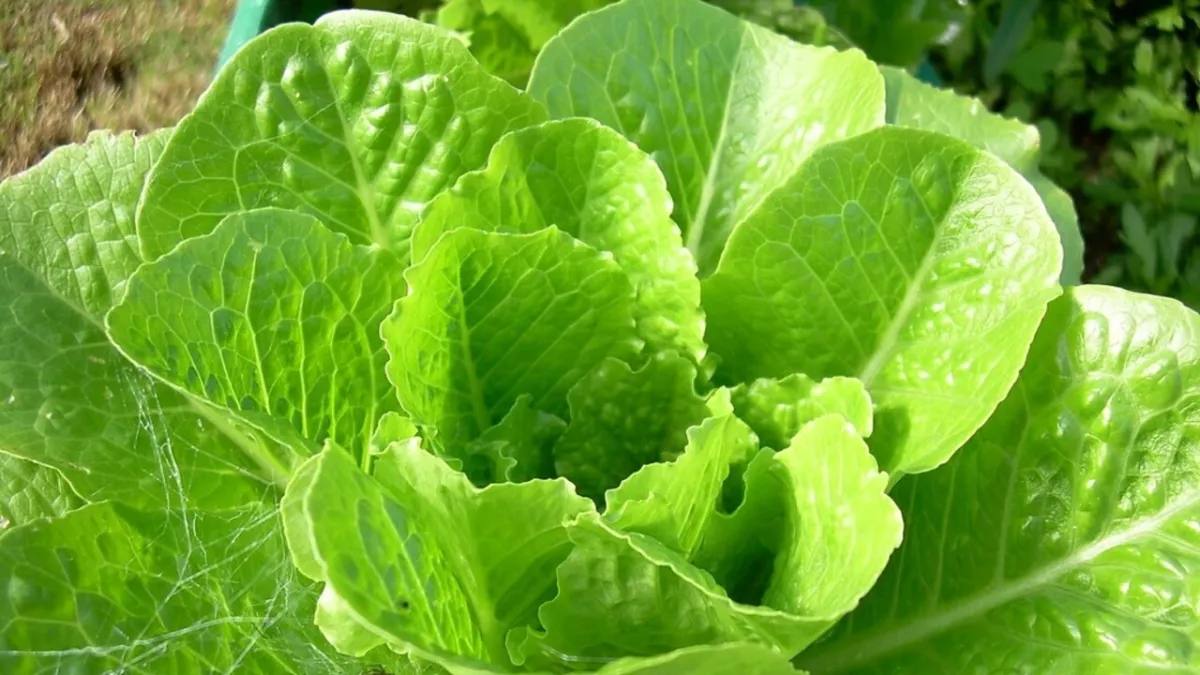
ROME – A significant breakthrough in food biotechnology has been achieved by a group of researchers who successfully developed a lettuce variety capable of producing essential proteins similar to those found in meat. This revolutionary discovery in 2026 opens new horizons for sustainable food solutions, offering an environmentally friendly alternative protein source amidst growing climate crises and global population needs.
This cutting-edge innovation integrates key genes responsible for synthesizing specific proteins abundant in animal tissues into the lettuce plant's genome. As a result, lettuce plants can now efficiently produce proteins previously found only in meat products, holding immense potential to reduce the carbon footprint of the livestock industry.
The genetic engineering process involved precise CRISPR-Cas9 techniques, allowing scientists to specifically target and insert genetic sequences. The primary goal is to create a nutritionally comparable source, yet with significantly lower production costs and environmental impact compared to conventional methods.
The implications of this discovery for sustainability are profound. Traditional meat production is known for being resource-intensive, from land and water usage to greenhouse gas emissions. This protein-producing lettuce has the potential to alleviate such pressures, facilitating a transition towards a more efficient and climate-responsive food system.
Nutrition and environmental experts welcome this research as a crucial step forward. Dr. Amara Wijaya, a nutritionist from the University of Indonesia, stated, "If production scale can be optimized, this meat lettuce could be a game-changer in people's daily protein intake, especially in areas with limited access to animal protein."
Despite its promise, challenges remain. Public acceptance of genetically modified organisms (GMOs) continues to be a sensitive issue in various countries. Transparent education about its benefits and safety will be key to gaining consumer trust.
Regulatory aspects also warrant attention. Global and national food oversight bodies need to promptly establish clear frameworks for the safety evaluation, labeling, and distribution of such innovative products. Efficient, science-backed approval processes will accelerate the adoption of this technology.
The research team is now focused on improving protein production efficiency, optimizing taste, and enhancing the nutritional profile so that this lettuce is not only protein-rich but also contains a comprehensive spectrum of vitamins and minerals. These efforts are expected to make lettuce a staple component of future diets.
The advent of this unique lettuce directly supports the global food security agenda. With the ability to cultivate protein in smaller areas and with minimal inputs, countries can reduce reliance on meat imports, simultaneously strengthening national food sovereignty.
The world now awaits the next phase of development for this revolutionary lettuce, which is expected to be publicly accessible soon after passing a series of stringent safety and effectiveness tests. A new era of plant-based protein consumption with animal-equivalent quality may not be far off.
Editorial Insight: This breakthrough in meat-protein-producing lettuce is more than just an agricultural innovation; it signifies a fundamental shift in global food production and consumption patterns. Its potential to address protein scarcity and the environmental impact of mass livestock farming is immense. However, long-term success will heavily depend on consumer acceptance, adaptive regulatory frameworks, and continuous efforts to ensure optimal safety and nutritional value. This is a bold step towards a more sustainable and inclusive food future.