 Angela Stefani
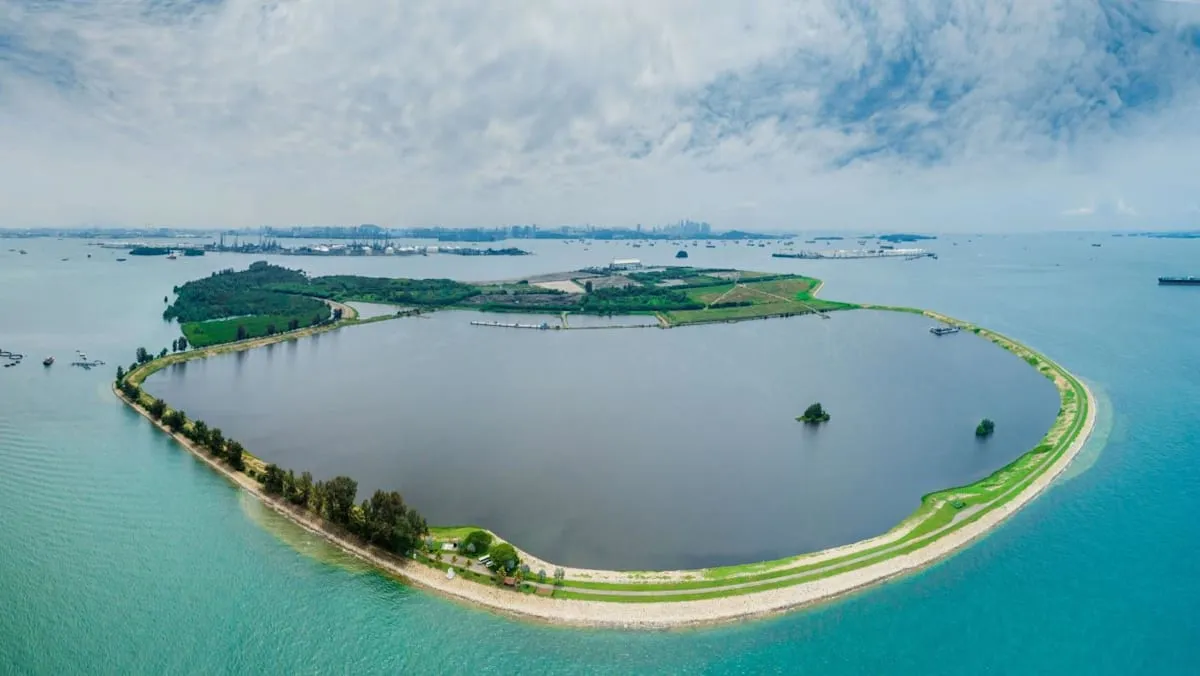
SINGAPORE – Extensive oil patches were once again detected polluting Singapore's southern waters in early 2026, prompting a swift response from the Maritime and Port Authority of Singapore (MPA). This incident, revealed following aerial surveillance reports, has triggered deep concerns regarding potential ecological damage and long-term impacts on marine habitats in one of the world's busiest shipping lanes. An intensive investigation was immediately launched to identify the source of the spill and prevent further spread.
The MPA, in its official statement, confirmed that aerial surveillance teams found no traces of oil near sensitive areas such as West Coast, Sentosa, the Southern Islands, or the East Coast. This finding indicates that the primary affected area is located in the strategic southern waters, often a transit route for large vessels.
Oil pollution poses a grave threat to marine ecosystems. Various marine species, from plankton to large mammals, are vulnerable to the toxic and physical effects of oil. Spills can devastate coral reefs, harm fish populations, and jeopardize the sustainability of local fisheries that depend on clean waters.
The Singaporean government, through the MPA and the National Environment Agency (NEA), has activated emergency protocols. Initial measures include the deployment of oil booms to isolate the affected area and the mobilization of specialized clean-up vessels. The main focus is to minimize the spread and initiate recovery efforts as soon as possible.
We are taking this incident very seriously, stated MPA spokesperson Nadiem Halim, during a virtual press conference. Every effort is being made to find the perpetrator behind this spill and ensure they are held fully accountable. Marine environmental conservation is our top priority.
Similar incidents, though of varying scales, frequently draw global attention. The challenge of managing dense maritime traffic and the potential for vessel accidents remain crucial agendas for coastal nations. Singapore, as a global maritime hub, is required to possess an exceptionally robust mitigation system.
Environmental advocates highlight the necessity for stricter law enforcement against maritime environmental violations. Oil spills are not just a local problem; they are a reflection of global challenges in preserving marine sustainability, said the Executive Director of the Clean Environment Movement, Dr. Lim Wei Jie. The world must learn from incidents like these. Efforts such as COP17 Armenia must be strengthened to ensure commitment to nature is not just rhetoric.
The economic aspect cannot be ignored either. Polluted waters have the potential to tarnish Singapore's tourism image, especially popular destinations like Sentosa, which, although not directly affected, remain vulnerable to public perception. The fisheries sector will also feel the impact, adding economic pressure.
Given that it is 2026, a year when sustainability and climate change issues increasingly dominate the global agenda, this oil spill incident serves as a bitter reminder. While detection and response technologies have advanced significantly, prevention remains the primary key.
Natural phenomena like El Nino, which triggered a crisis in Bolivia, or severe haze due to forest fires, demonstrate the fragility of our environment. Man-made incidents such as oil spills further exacerbate these conditions, demanding greater collective responsibility.
MPA's investigation will include analyzing oil samples, reviewing ship traffic patterns, and potentially using satellite imagery to track suspicious vessel movements. Every detail will be scrutinized to uncover the culprits behind this pollution.
Editorial Insight: The oil spill incident in Singaporean waters in 2026 indicates that despite increasing global awareness of environmental issues, the risk of maritime pollution remains a tangible threat. The challenge lies in stronger regulatory enforcement, investment in advanced monitoring technologies, and cross-border cooperation to ensure our oceans remain pristine. This case could set a precedent for more severe penalties, which are expected to deter perpetrators of marine environmental pollution.