 Robert Andrison
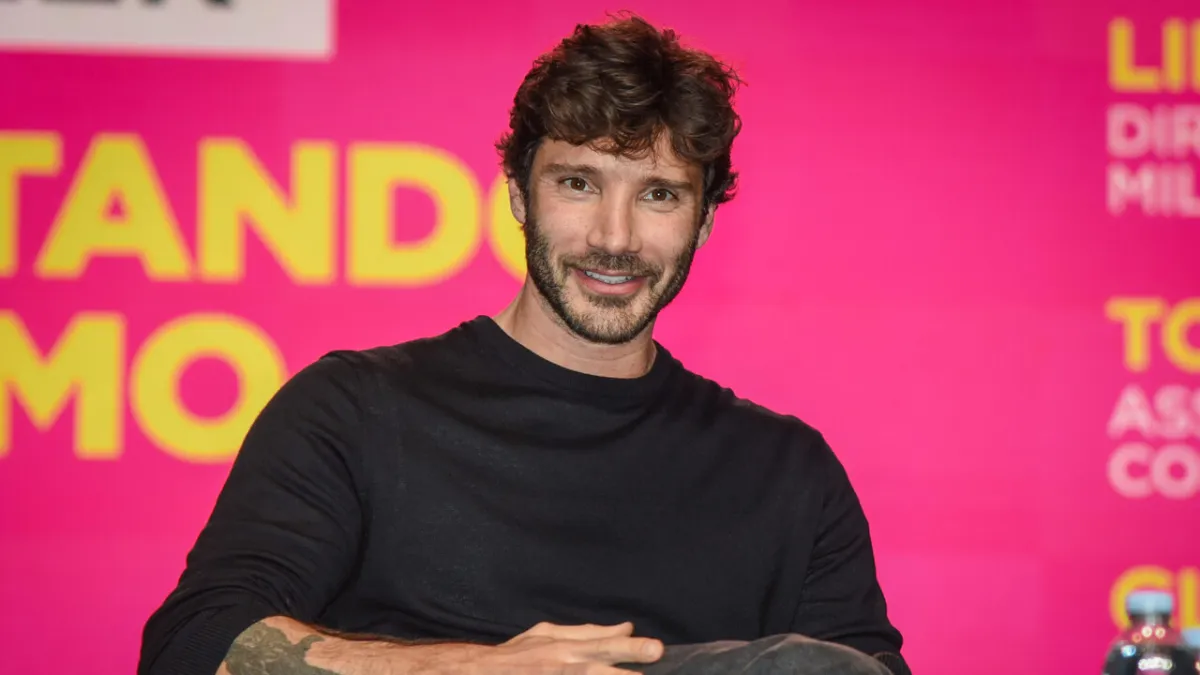
ROME – Stefano De Martino, the charismatic Italian television presenter, is poised to make new history at the Sanremo Music Festival 2026. He has announced a radical vision embracing a 'punk' spirit, focusing on independent artists, and explicitly rejecting the use of artificial intelligence (AI) technology and the traditional concept of fixed co-hosting. This bold move is expected to transform the face of one of Europe's most prestigious music events.
De Martino asserts that the rejection of AI is a response to growing concerns regarding originality and artistic soul. For him, music is a pure human expression, and AI intervention has the potential to erode that essence. His decision aligns with the increasing global debate on AI ethics in creative industries, as reflected in news reports like AI Turmoil Shakes Markets.
The 'punk' concept championed by De Martino is more than just a fashion or music style; it is a philosophy of rebellion against the established order and a search for authenticity. He envisions Sanremo as a platform for brave new voices, far removed from the commercial formulas that often dominate. This is a call for an artistic revolution on the legendary stage.
Beyond rejecting AI, De Martino has also decided to eliminate the fixed co-hosting format. This tradition typically involves several presenters taking turns alongside the main host. With this step, he aims to create a more dynamic and spontaneous atmosphere, allowing greater room for improvisation and surprises each night of the festival.
The primary focus of Sanremo 2026 will shift to independent artists. De Martino sees immense potential in new talents who have not yet received mainstream media attention. This presents a golden opportunity for musicians who have been striving outside major labels to showcase their work on Italy's most prestigious stage.
The Sanremo Festival boasts a long history dating back to 1951 and has served as a barometer of Italian culture and music trends. The event has not only launched national stars but also acted as a window for Italian pop music identity to the world. De Martino's vision can be interpreted as an effort to inject new energy into this rich tradition.
De Martino's background as an adaptable public figure who is not afraid to take risks adds weight to his decisions. His extensive experience in the entertainment world, from dancing to presenting, provides him with a unique perspective on how to manage large-scale events while maintaining artistic integrity.
De Martino's decisions will undoubtedly provoke various reactions. Purists might deem them too radical, while younger generations and independent communities will likely welcome them enthusiastically. This very debate will boost the festival's profile and appeal.
The transformation of Sanremo 2026 also reflects broader dynamics within the global entertainment industry, where authenticity and a rejection of homogenization are becoming increasingly valued. This is a declaration that human creativity remains at the core, even amidst the inevitable waves of digitalization and automation, echoing discussions on how Swift's Critique Strikes AI World 2026.
This daring move can also be seen as a preventive measure against the potential risks brought by AI. Various AI-related incidents, such as Artex AI Breaches Network or AI Scandal Shakes Korean National Exam, highlight the need for caution in adopting this technology, especially in fields requiring personal touch and originality like art.
Editorial Insight: Stefano De Martino's vision for Sanremo 2026 is a strategic move that not only revitalizes the legendary festival but also places it at the forefront of the ethical debate surrounding technology in art. The rejection of AI and the focus on independent artists demonstrate a deep understanding of modern audience needs for authenticity. This is more than just a format change; it is a reaffirmation of the core value of human creativity in the digital age.