 Chandra Wijayanto
ROME – Italy's contemporary art scene gears up for a dynamic weekend in 2026, marked by the opening of two significant exhibitions. In Pesaro, the art of tattooing is elevated as a high form of expression, while in Gibellina, an artist collective delves into crucial themes surrounding uprooting and collective memory. These two concurrent exhibitions offer profound perspectives on identity, history, and artistic representation amidst current global dynamics.
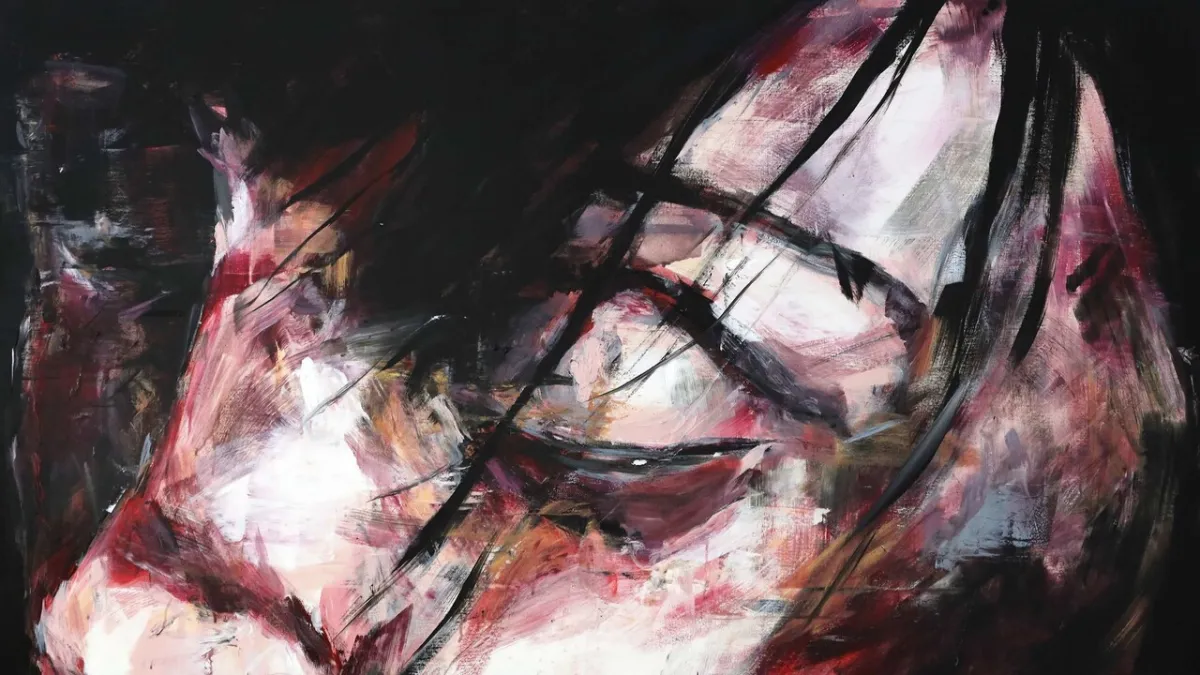
The exhibition in Pesaro specifically highlights the evolution of tattoo art from a subcultural practice into a recognized visual art form. It seeks to deconstruct old stereotypes, showcasing how contemporary tattoo artists integrate traditional techniques with modern innovations, creating works with personal and philosophical dimensions.
The phenomenon of tattooing, increasingly widely accepted, reflects social changes in society. In 2026, as the boundaries between high art and popular culture blur, exhibitions of this kind become crucial in redefining aesthetic value and the narrative of the body as a living canvas.
Meanwhile, Gibellina, a city rebuilt from the tragic 1968 earthquake ruins, once again becomes an epicenter of reflection. The collective exhibition there focuses on the concept of uprooting and how memory—both individual and collective—plays a role in shaping post-trauma identity.
Gibellina's own history serves as a powerful metaphor for the themes explored. The city was reconstructed as an architectural art laboratory, where prominent artists were invited to participate. Now, through this exhibition, the spirit of identity reconfiguration through art resonates anew.
The issues of uprooting and memory are highly relevant in 2026, given increasing global migration and conflicts causing millions to lose their roots. This exhibition is expected to spark dialogue on how societies preserve and transmit memories amidst mass displacement.
While specific artists like Alicia Kwade and Paolo Maggis are mentioned in the context of other exhibitions, these Pesaro and Gibellina exhibitions are likely to feature works from a broad spectrum of contemporary artists, each with their unique interpretations of the themes presented. Organizers consistently ensure meticulous curation to present diverse perspectives.
The curators of both exhibitions promise an immersive experience that invites visitors to ponder the deep meaning behind each artwork. Through installations, photography, fine art, and performances, audiences are expected to connect emotionally and intellectually.
The concurrent opening of these two significant exhibitions reaffirms Italy's position as one of the world's art centers. It is not merely about presenting works, but also about cultural dialogue, innovation, and the revitalization of art spaces.
This weekend's art agenda is also expected to boost cultural tourism in both regions, attracting domestic and international visitors eager for authentic and profound artistic experiences in 2026.
Both exhibitions, with their focus on identity and collective memory, represent the direction of contemporary art becoming increasingly responsive to social issues. Art serves not only as an aesthetic object but also as a mirror and an agent of change.
In 2026, as the world continues to adapt to new challenges, art plays a vital role in providing perspective, healing, and strength to reflect on the meaning of human existence.
Editorial Insight: The art exhibitions in Pesaro and Gibellina are not merely showcases of works, but rather manifestations of a profound effort to understand the dynamics of identity and memory in the global society of 2026. By addressing socially and personally relevant themes, curators and artists demonstrate that art remains the most potent medium for provoking thought and strengthening human connection. The impact is expected to extend beyond the galleries, fostering constructive public discourse.