 Angel Doris
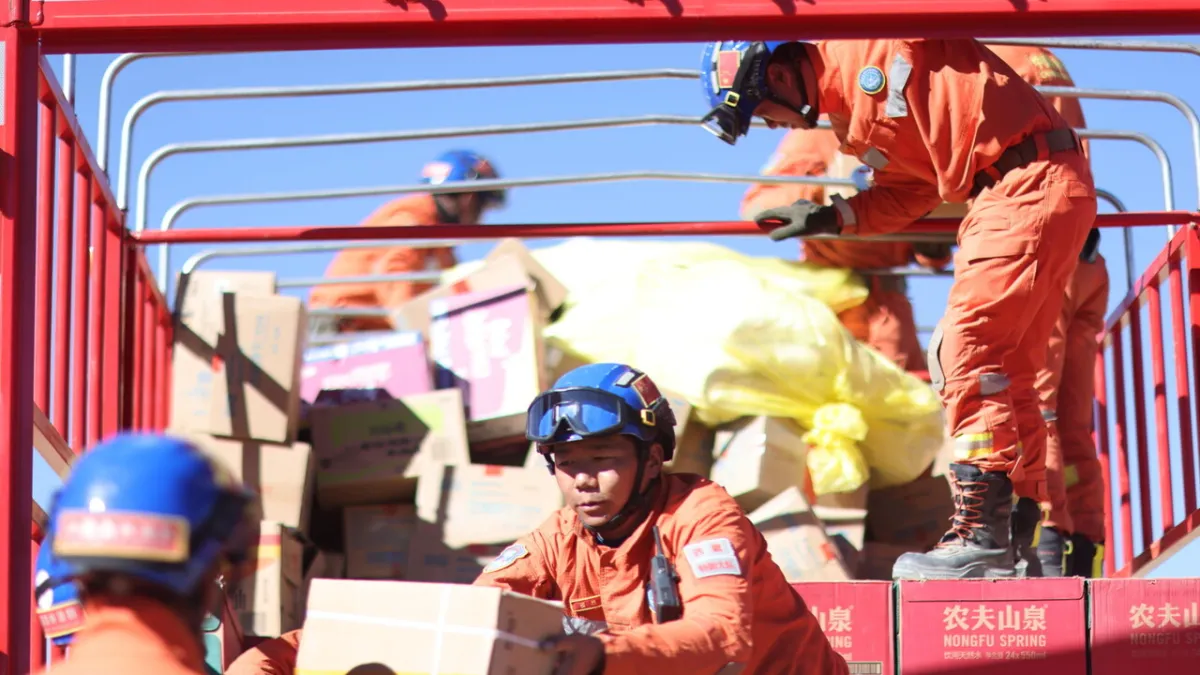
LHASA – A powerful earthquake rocked the remote region of Tibet in the early hours of Monday morning local time, killing at least 16 people and injuring 46 others. The natural disaster caused numerous building collapses and severe infrastructure damage in several settlements, triggering a rapid response from rescue teams and firefighters who were immediately deployed to the affected areas.
The epicenter of the earthquake was estimated to be at a shallow depth, exacerbating the impact of the tremors on the surface. Initial reports from local authorities stated that many victims were trapped under the rubble of buildings, especially traditional homes that are vulnerable to strong seismic activity. Medical teams are working tirelessly to provide first aid to the injured, some of whom are reported to be in critical condition.
Rescue operations are dramatically underway amidst challenging terrain and extreme weather conditions. Combined personnel from disaster management agencies and the military are racing against time, using heavy equipment and search dogs to find survivors. The main challenge is accessing remote villages isolated by landslides and cracked roads.
An anonymous local government official explained, Our top priority is to save lives and ensure all victims receive proper medical attention. We have activated all emergency units to assist the affected communities. Coordination efforts with the central government continue for logistical aid supplies.
This earthquake adds to the long list of natural disasters that frequently strike the Himalayan mountain region, known as an active seismic zone. The geological structure of this area makes its inhabitants vulnerable to earthquakes and landslides.
Although earthquakes of this magnitude are rare, local communities live alongside the threat of tectonic activity. Several years ago, neighboring regions also experienced significant earthquakes, forcing the government to tighten building standards in disaster-prone areas.
The tragic news quickly captured international attention. Several neighboring countries and global humanitarian organizations have expressed readiness to send assistance, ranging from medical teams, logistics, to disaster relief experts. This reflects global solidarity in the face of human tragedy.
Aid distribution poses a significant challenge. The mountainous topography, coupled with the potential for aftershocks, hinders the delivery of vital supplies such as food, clean water, and emergency shelters. Helicopters remain the only effective mode of transport to reach some of the most isolated areas.
The recovery process is predicted to be long and require massive resources. The government is developing long-term rehabilitation and reconstruction plans to help communities rebuild their lives. Disaster mitigation education will also be intensified to improve residents' preparedness.
Despite the grief, the spirit of mutual cooperation among the Tibetan community remains strong. Residents are working hand-in-hand to clear debris and help their neighbors, demonstrating remarkable resilience in the face of adversity. This local solidarity is a key pillar in the initial phase of emergency response.
Editorial Insight: This earthquake tragedy in Tibet once again highlights the urgency of disaster mitigation in seismically active regions. Despite maximum rescue efforts, geographical and infrastructural challenges remain an impediment. Going forward, the development of more resilient infrastructure and effective early warning systems must be prioritized, accompanied by increased public awareness of emergency response. Coordinated international assistance will be crucial for the recovery phase.