 Angela Stefani
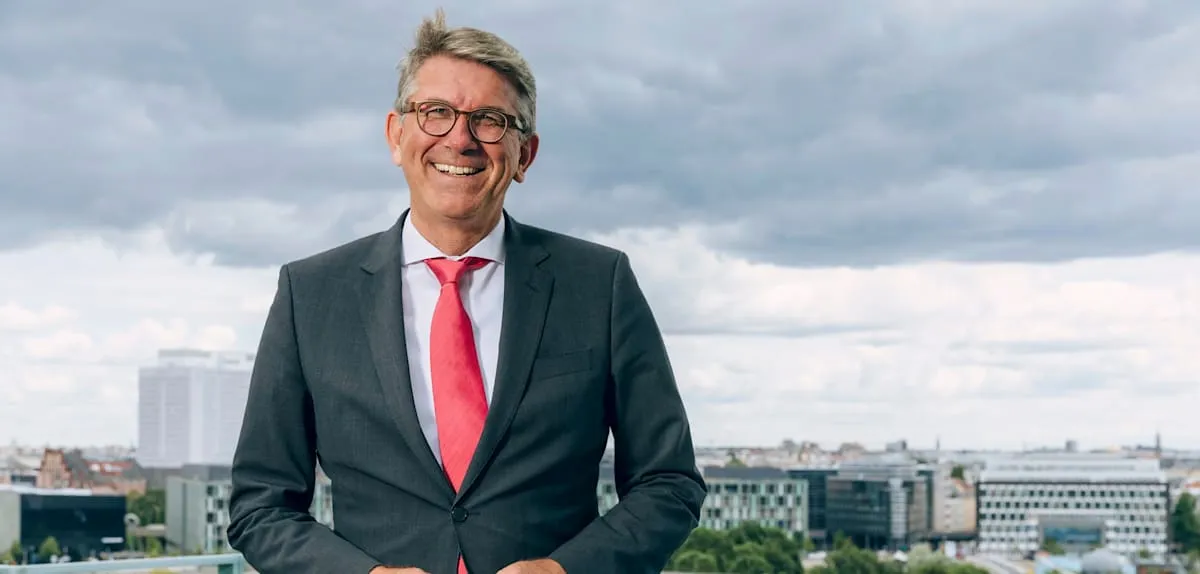
BERLIN — Kulturstaatsminister Weimer recently and emphatically declared his position as a political opponent of the Alternative for Germany (AfD) party, marking a new chapter in German political dynamics for the year 2026. He identified the Federal Republic of Germany as currently being in an intense “phase of cultural struggles,” fueled by movements from both the AfD and left-wing radicals. This statement underscores the government's commitment to curbing extreme narratives that could erode the foundations of democracy.
Weimer did not merely state his opposition but consciously took on the role of an ideological resistance driver. According to him, the response to this deepening polarization must be strategic and systematic. Strengthening core German values is a top priority to stabilize the volatile socio-political landscape.
His statement highlights growing concerns about societal division due to extreme ideologies. The “cultural struggles” he refers to reflect an increasingly heated battle over fundamental values, national identity, and Germany's future direction in the public sphere.
The AfD, known for its anti-immigration rhetoric and nationalistic conservatism, is often at the center of fierce debate. Weimer sees this party as one of the main instigators of cultural turmoil, attempting to redefine what it means to be German in an exclusive and divisive manner.
However, Weimer does not only point to the AfD. He also mentions left-wing radical groups as entities contributing to this phase of cultural struggles. According to him, extremism, whether from the right or the left, equally endangers social cohesion and the principles of inclusivity that Germany upholds.
To curb these extremist movements, Weimer proposes a fundamental strategy: a return to “the great traditions of Germany.” This approach is not about blind nostalgia but a deep reflection on the intellectual, artistic, and philosophical heritage that has shaped German identity over centuries.
The great traditions referred to include enlightenment humanism, pluralism, and a commitment to liberal democracy. These values, according to Weimer, are the strongest bulwarks against attempts at fragmentation and identity politicization by extremist groups.
This statement was met with mixed reactions, sparking widespread discussion among politicians, academics, and the public. Many appreciated Weimer's courage in taking a firm stance, while others called for more inclusive dialogue to bridge existing differences.
The debate over Germany's future direction aligns with ongoing political dynamics across the country. In 2026, various political forces, including young green waves, are actively working to combat right-wing extremism ahead of elections, indicating that this issue is not only Weimer's concern but also a national agenda.
By embracing the role of a \"political opponent of the AfD,\" Kulturstaatsminister Weimer reaffirms the importance of democratic values and humanitarian traditions in shaping the national narrative. This step is expected to trigger collective awareness to protect Germany's cultural and political integrity from the threat of extreme polarization.