 Angel Doris
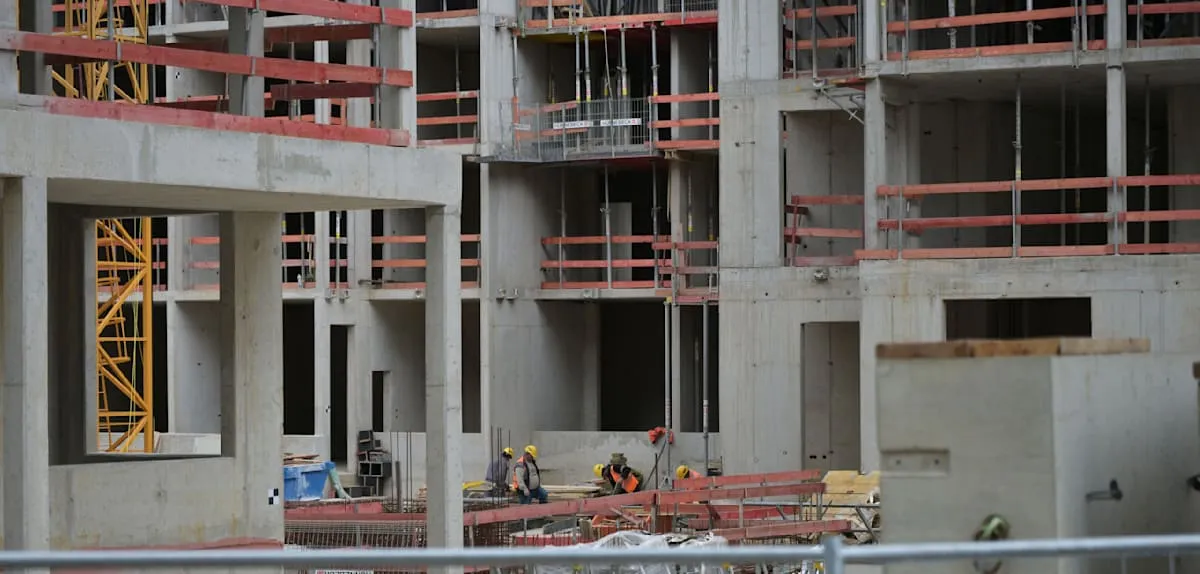
BERLIN — Germany’s housing sector faces a severe collapse threat following strong demands from construction industry associations to the federal government. Through an urgent letter delivered earlier this week, the industry urged influential politician, Friedrich Merz, to reverse planned budget cuts expected to trigger a massive setback in home construction across the country in 2026.
The warning comes from representatives of construction and housing associations who observe worsening economic indicators. They fear that overly aggressive fiscal policies could exacerbate an already challenging property market, threatening the availability of decent housing for millions of German citizens.
In the “Brandbrief,” the German term for an urgent warning letter, industry leaders explicitly outlined the destructive impact of public funding reductions. The letter demands that the federal government, led by the Traffic Light Coalition, reconsider their budget priorities to support this vital economic pillar.
Germany’s economic conditions in 2026 indeed show significant challenges. Fluctuating inflation and high interest rates have suppressed public purchasing power and limited private sector investment. This environment makes budget cuts in the housing sector a highly risky move.
A spokesperson for the German Housing and Real Estate Industry Association, Herr Klaus Richter, stated, "We are not just looking at numbers; we are seeing households unable to find housing and construction companies forced to close down. These budget savings are not efficiency; they are fundamental destruction."
To date, no official response has been issued by the federal government or Friedrich Merz, who in 2026 remains a central figure in German politics. However, public pressure is expected to mount as details of the warning unfold.
If the proposed budget cuts proceed, experts predict a surge in rental prices, a reduction in new construction projects, and an increase in unemployment in the construction sector. This domino effect has the potential to shake Germany’s social and economic stability.
This is not the first warning issued by the construction industry. In recent years, they have repeatedly voiced concerns regarding complex bureaucracy, land scarcity, and soaring material costs, all of which hinder the growth of the housing sector.
A collapse of the housing sector would have broad implications. Related industries such as building material manufacturing, transportation, and financial services would also feel the impact. Germany’s competitiveness as a European economic hub could erode if this issue is not addressed promptly.
Towards the end of 2026, the federal government stands at a crossroads. Their decision on the industry associations’ demands will determine the future of the housing sector. Political pressure on Merz himself is not new; he also faces challenges from within his own party, as seen in other issues. Discussions surrounding Germany's Pension Storm: CDU Social Wing Challenges Merz's 2026 Plan illustrate the complex political dynamics.
Now, public eyes are on Berlin, awaiting concrete steps from the federal government in response to this urgent call. The fate of German housing development, and the well-being of millions of its citizens, depends on a wise and swift response.