 Stefani Rindus
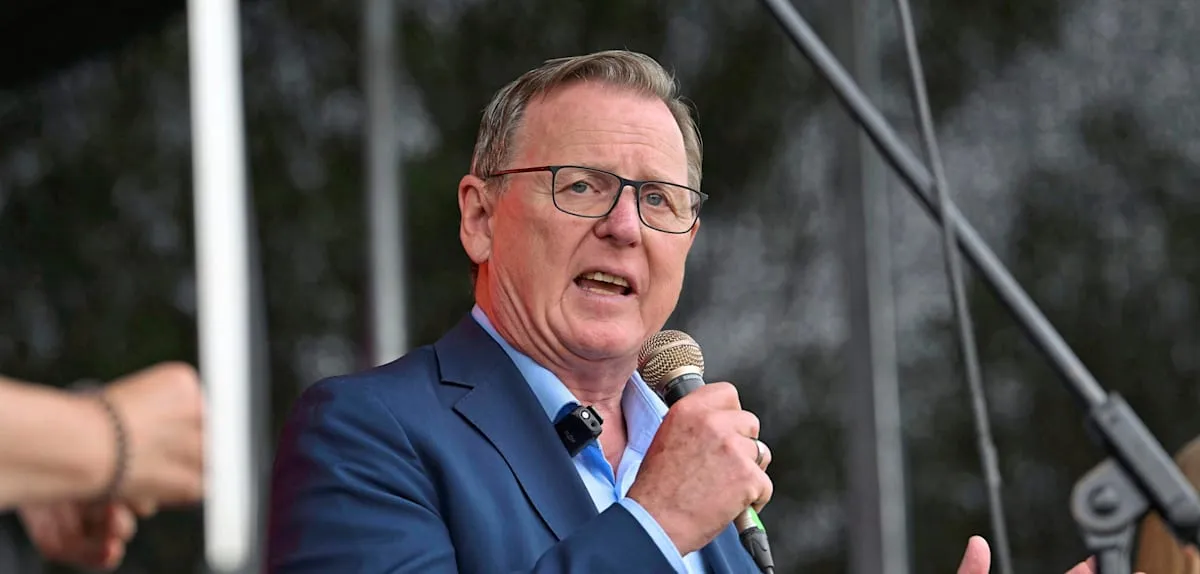
Berlin, Germany — Bundestag Vice President Bodo Ramelow has once again ignited a crucial debate poised to reshape Germany's political landscape. With robust arguments, Ramelow openly advocates for the abolition of the five-percent electoral threshold, asserting that this mechanism is outdated and impedes fair representation of the people's voices in government. This call arises amid prolonged discussions concerning the effectiveness of Germany's democratic system, particularly in anticipation of upcoming general elections. He emphasizes that it is time for fundamental reforms to ensure every vote carries significant weight.
Ramelow, also known as an experienced politician, expressed concern that too many voter voices are wasted due to this five-percent threshold provision. "We cannot continue as before," said Ramelow, referring to the stagnation of a system he believes no longer reflects contemporary political dynamics. His statement indicates a strong push from some political elites to review the nation's electoral foundations.
Ramelow's views align with those of several other political figures. Previously, Alice Weidel of the Alternative for Germany (AfD) also voiced the need to abolish this threshold, a sentiment that suggests a cross-political consensus on electoral reform. The article "Weidel Shakes German Politics: 5 Percent Threshold Must Be Abolished!" also noted similar debates.
The concept of the five-percent threshold was introduced after World War II to prevent excessive parliamentary fragmentation, which was believed to disrupt governmental stability. However, Ramelow argues that global and domestic political conditions have changed significantly. "Stability must not be sacrificed for the sake of inadequate representation," he added.
Several constitutional and political experts have also re-examined the relevance of this threshold. A former German Constitutional Judge, for example, once warned about the potential threat to democracy if majority parties dominate too much without considering minority voices, as discussed in the article "Former German Constitutional Judge Warns of Democratic Threat from Majority Parties".
Abolishing the threshold is believed to open greater opportunities for small parties and new political movements to gain seats in the Bundestag, thereby enriching political pluralism and strengthening citizen participation. This would allow a broader spectrum of ideologies to contribute to policymaking.
However, this idea is not without criticism. Some fear that abolishing the threshold could lead to excessive political fragmentation, making it difficult to form stable coalition governments and potentially even triggering political crises. They argue that the threshold is essential for maintaining legislative efficiency.
Proponents of reform counter that other European countries successfully manage parliamentary systems with no high threshold or even no threshold at all, demonstrating that stability can be achieved through other political mechanisms. They call for a comprehensive evaluation of democratic practices in other developed nations.
The debate on the electoral threshold is predicted to become a major agenda in political discussions leading up to the 2027 General Election or even snap elections if necessary. Political parties are now compelled to take a firm stance on this revolutionary proposal, which has the potential to fundamentally alter Germany's political power map.
The importance of this issue is also reflected in national and international media coverage. The fundamental question is whether Germany is ready to overhaul one of its main electoral system pillars for more inclusive representation, or maintain the status quo to preserve tested stability?
Bodo Ramelow concluded his statement by emphasizing the urgency of change. "We must dare to adapt. A healthy democracy is one that is responsive to the aspirations of its people, not one that restricts them," he stated. This change is not merely technical, but philosophical about the future of German democracy.
This discourse is also relevant to discussions raised by legal experts, as implied in the title "German Democratic Revolution: Former Constitutional Judge Urges Lowering Electoral Threshold". This indicates strong support from academics and jurisprudence for electoral system reform.
The implications of this change are immense, especially for new parties that often struggle to enter parliament. With the abolition of the threshold, parties like the AfD, which are now gaining strength in some regions like Sachsen-Anhalt, will find it easier to gain proportional representation, changing the dynamics of coalitions and opposition.
The current coalition government, which will likely face significant challenges in the upcoming elections, will also be forced to consider the impact of this change on their political strategies. The consolidation of votes from smaller parties could be a decisive factor.
Political observers view Ramelow's insistence not merely as rhetoric, but as an early signal of a larger wave of reforms in Germany. This policy could be a catalyst for a comprehensive overhaul of the political system, affecting not only federal but also state-level elections.