 Gabriella
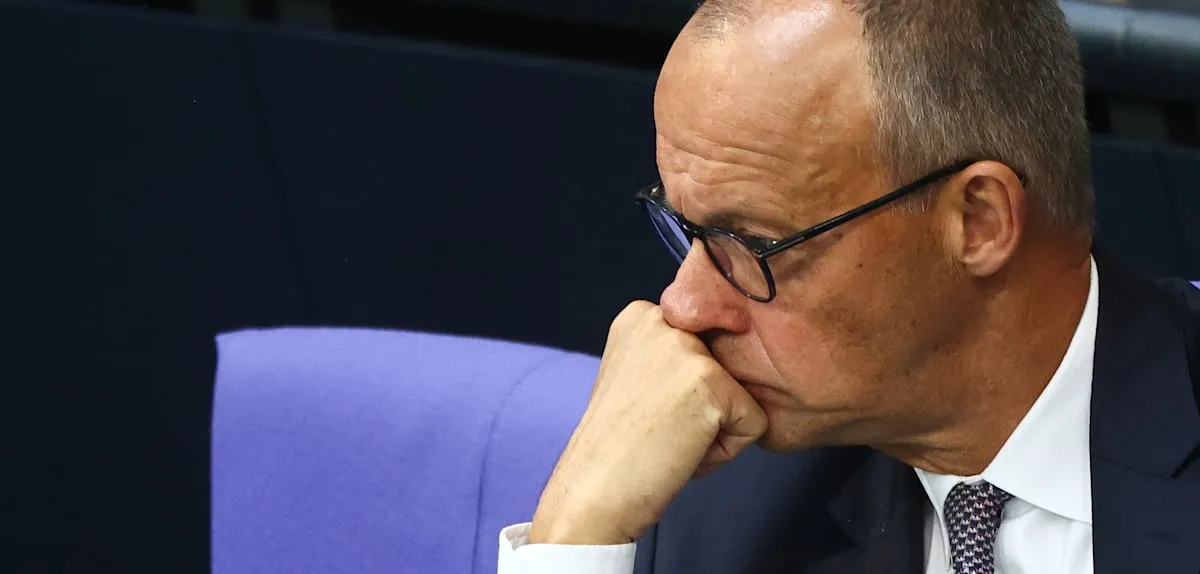
BERLIN – A new public opinion poll has shaken Germany's political landscape, revealing a significant decline in support for the Union Party (CDU/CSU) which has now fallen below 20 percent nationally. Concurrently, the popularity of the Alternative for Germany (AfD) continues to surge, widening their lead to nearly ten percentage points and marking a significant shift in voter preferences ahead of the next federal elections in 2026.
The drop in electoral support for the Union Party, an alliance of Christian Democrats and Christian Socials, has drawn sharp attention as it marks the first time they have fallen below the psychological threshold of 20 percent in a national survey. This figure reflects the severe challenges faced by established parties in maintaining their support base amidst global political and economic turmoil.
A striking contrast is evident in the unprecedented rise of AfD's support. The far-right party now enjoys an unparalleled lead, establishing a nearly ten-point gap over their closest rivals. This phenomenon indicates widespread disillusionment among voters with current government policies and traditional parties.
Political analysts suggest this shift is not merely a common fluctuation but rather a reflection of deeper dynamics. Issues such as inflation, energy policy, and immigration challenges continue to dominate public debate, frequently exploited by the AfD to garner sympathy.
This situation adds to a long list of concerns for the Union Party's leadership. Previously, the party was also rattled following regional election results in Sachsen-Anhalt which showed significant gains for the AfD. Karl-Josef Laumann, a senior CDU politician, had expressed deep concern over the fragile 'firewall' between moderate and extremist parties.
The survey also emerges amid fierce debate regarding the strategies of other parties in confronting the AfD. Some call for a more aggressive approach, while others emphasize the importance of concrete solutions to societal problems to regain public trust. Analyses like Stadelmann's, which described the AfD's victory as a 'German Brexit', further underscore concerns about political fragmentation.
This shift in voter preference has the potential to redraw the federal coalition map in the future. With the AfD becoming increasingly dominant, forming a stable and representative government will become a more complex task for the entire German political spectrum. Calls for social reform are also strengthening in line with regional election results.
This trend demands deep introspection from mainstream parties to understand the root causes of voter dissatisfaction. Without an effective response, the gap between the political elite and society could widen further, threatening the stability of Germany's parliamentary democracy.
Several key factors identified as driving this trend include:
- Dissatisfaction with the handling of economic crises.
- Intense debate surrounding immigration policies.
- A feeling of alienation from central government policies.
- The effectiveness of AfD's campaign in vocalizing public concerns.
It is crucial for political leaders to examine this data and formulate adaptive strategies that are not only reactive but also proactive in addressing contemporary challenges. The future of German politics now stands at a crossroads, with waves of change continuously impacting it.
Editorial Insight: This survey result sends a clear warning signal to Germany's traditional parties. The decline of the Union Party below 20 percent is a historic turning point demanding comprehensive evaluation. The AfD's widening lead is not merely a temporary phenomenon, but an indication that populist and Eurosceptic sentiments have become deeply embedded in significant segments of society. Without bold fundamental responses, Germany risks deeper political fragmentation, complicating the formation of national consensus and facing challenges on the European and global stage. This dynamic also highlights the importance for moderate parties to find a new narrative capable of resonating with voters' hearts and minds, not just criticizing, but also offering a clear vision for the future.