 Robert Andrison
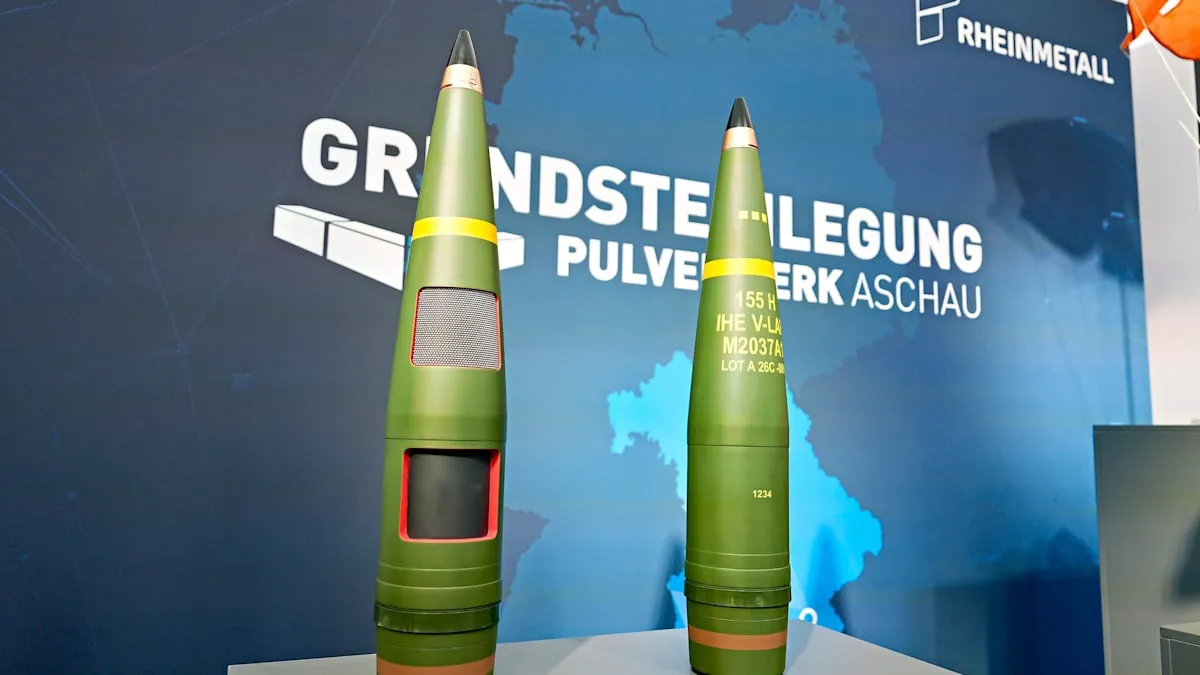
ASCHAU — Germany's leading defense consortium, Rheinmetall, is accelerating the construction of a gunpowder production facility in Aschau, Bavaria, with the ambition of making it the largest factory in Europe. This strategic project, expedited in 2026, is a crucial response to the global ammunition supply crisis threatening military readiness and the continent's strategic independence.
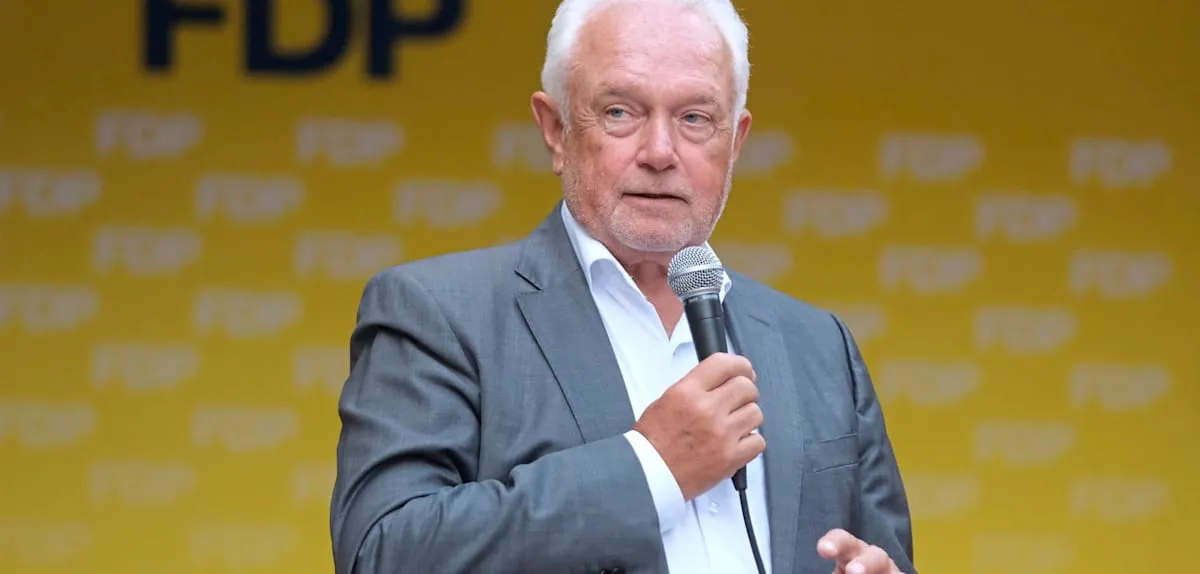
This massive expansion highlights the vital urgency of gunpowder as an irreplaceable component in modern ammunition production. Without an adequate supply, entire arsenals of advanced weapons, from artillery to tanks, would lose their combat effectiveness. "In fact, without this ammunition, all these weapons are practically worthless," stated weapons expert Lars Winkelsdorf, emphasizing the absolute dependence on this fundamental element.
Rheinmetall, a pillar of Europe's defense industry, is not only expanding production capacity but also investing in the latest technology to ensure efficiency and security. The Aschau plant is designed to meet a wider spectrum of needs, reducing Europe's reliance on external sources vulnerable to geopolitical fluctuations.
The construction of this colossal factory has profound geopolitical implications. Amidst rising global tensions, particularly after escalations in the Middle East and the situation in Eastern Europe, independent ammunition production has become a top priority. Germany, as an economic and military power, plays a central role in strengthening NATO's collective defense capabilities.
Lars Winkelsdorf's analysis reinforces the argument that new facilities like this will significantly address supply bottlenecks that have plagued Western nations for some time. "Through such a new plant, bottlenecks can be solved across a wider range," he added, referring to more flexible and adaptive production capabilities.
This strategic move also provides a significant boost to the German economy. In addition to creating thousands of new jobs, investment in this high-tech defense industry sector strengthens Germany's position as an innovator. This aligns with the German government's efforts to stimulate economic growth and innovation, even amidst considerations of new debt to face crises, as reported in related articles such as Iran War Looms, Germany Considers New Debt to Prevent Social Collapse on Cognitodaily.com.
This initiative is more than just an increase in production capacity; it is a firm statement from Germany regarding its commitment to European security. By leading efforts to strengthen the ammunition supply chain, Germany is indirectly assuming a vital role in maintaining regional stability.
This development also highlights a paradigm shift in European defense policy. After decades focused on budgetary efficiency, the geopolitical realities of 2026 are forcing countries to prioritize resilience and internal production capacity. The Rheinmetall gunpowder factory symbolizes this strategic shift.
Despite potential public concerns about environmental impact or security, the Rheinmetall consortium reaffirms its commitment to the highest standards. Sustainability and occupational safety are priorities in the design and operation of this modern facility.
The presence of Europe's largest gunpowder factory is expected to stabilize ammunition prices, accelerate delivery times, and ensure adequate stocks for training and potential conflicts. This is a long-term investment for future security and more robust military capabilities.
Overall, the Rheinmetall project in Aschau is more than just an ordinary industrial expansion. It is a strategic masterpiece that reasserts Germany's central role in Europe's defense architecture, ensuring that advanced weapons will not become "useless objects" in times of crisis.