 Stefani Rindus

BERLIN – Private consumption in Germany, a critical pillar of economic growth, faces a serious threat in 2026. A surprising phenomenon has emerged where the nation's highest-earning demographics and citizens over 50 years old are significantly refraining from spending, raising concerns about an impending economic slowdown. This consumer reluctance, according to several analyses, is driven by a form of irrational fear influencing their economic behavior.
This condition stands in stark contrast to initial projections that anticipated a more stable post-pandemic recovery and growth. However, data indicates a behavioral shift signaling a drastic decline in non-essential goods and services purchases among these demographic groups.
Both government and economists view domestic consumption as the primary engine driving the economy. When the segment of society with the largest purchasing power chooses to hold onto their funds, the impact cascades across various sectors, from retail and tourism to the manufacturing industry.
This phenomenon is largely observed among top-income earners, who traditionally drive the luxury goods and premium services markets. Concurrently, German citizens over the age of 50 also exhibit a similar inclination, opting to save rather than actively spend.
'This situation indicates a dissonance between high purchasing power and confidence in the economic future,' stated Professor of Economics at Humboldt University Berlin, Dr. Klaus Richter. 'They possess the financial capability, yet are unwilling to utilize it due to the uncertainty they perceive.'
Irrational fears cited by analysts can encompass a range of anxieties, from volatile inflation and potential global recession to ongoing geopolitical turmoil. The perception of a bleak future prompts them to hoard savings as a safety net.
The impact of this trend is highly significant for Germany's Gross Domestic Product (GDP). If this consumption pattern persists, national economic growth targets for 2026 risk not being met, potentially even leading to stagnation or a slight contraction.
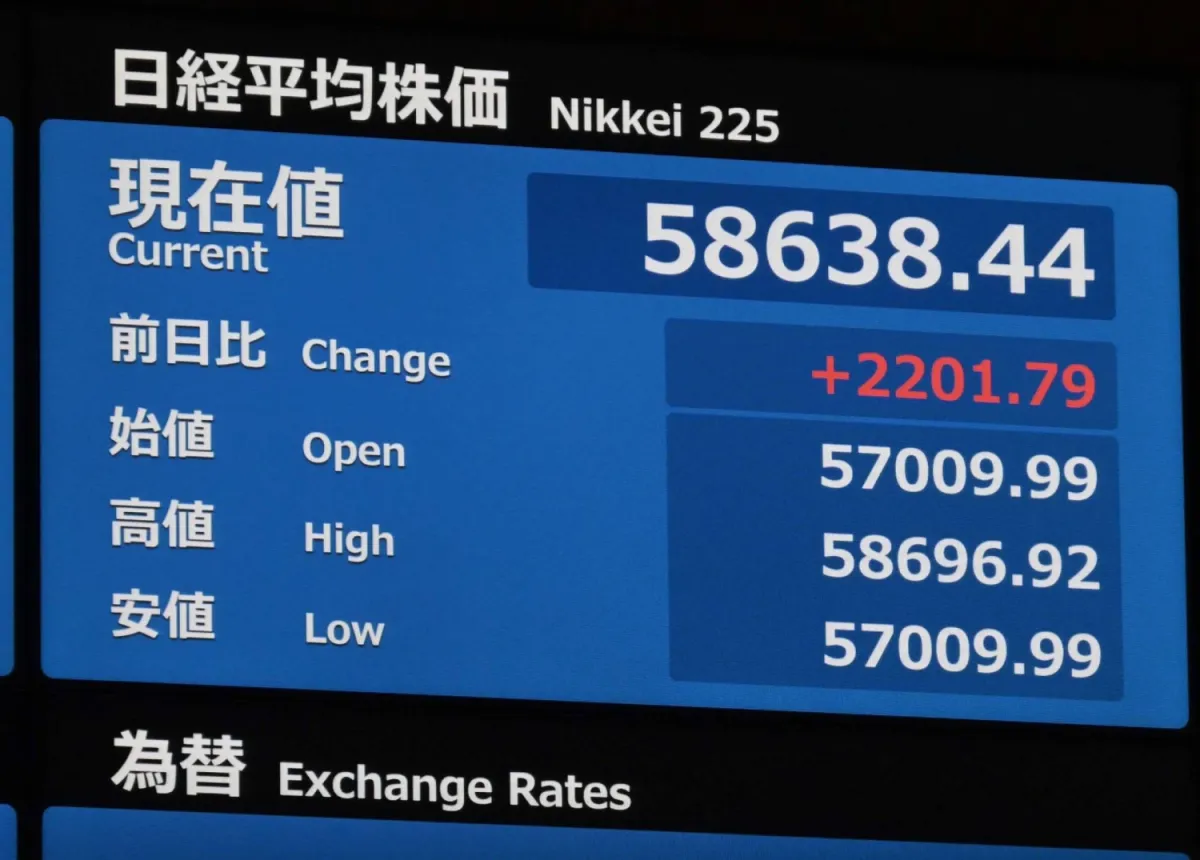
This situation can also be compared to economic dynamics in other regions, such as Japan's surging bond market, which conversely shows strong signals of economic strengthening in a different part of the world. This contrast highlights the complexity of factors influencing consumer confidence across various nations.
The German government currently faces a major challenge in restoring consumer confidence and reigniting economic activity. Fiscal policies and stimulus might need to be considered to restart the consumption cycle, especially within the segments of society that are holding back.
Furthermore, this phenomenon serves as a warning for other European Union countries, given that Germany is the economic powerhouse of the region. Economic stagnation in Germany could trigger a domino effect, impacting trade and investment across the entire economic bloc, including potential implications for agreements like EU-Mercosur Trade Deal.
Policymakers need to thoroughly analyze the root causes of fear experienced by high-income individuals and the elderly, not merely focusing on macro-economic figures. Targeted interventions that address the psychological aspects of trust will be key to overcoming this consumption stalemate.
Editorial Insight: The tendency to restrain consumption in Germany, particularly from groups with significant purchasing power, is a serious indicator of economic uncertainty that transcends statistical data. If not addressed with proactive policies targeting the root of these fears, the potential for economic stagnation in 2026 could become an unavoidable reality, with broad implications for overall European economic stability.