 Gabriella
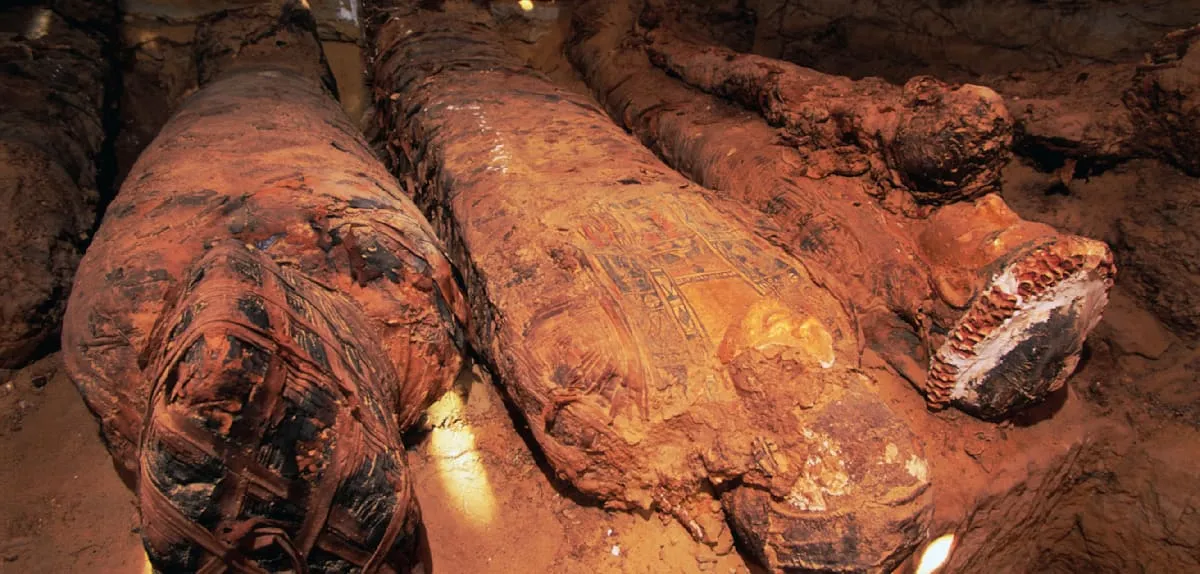
GLOBAL – The global trade in mummified human remains has seen a dramatic increase, sparking serious concern among scientists. Recent research highlights that isolated body parts such as hands and feet are the most frequently traded commodities in this illicit network, harboring potential health risks that can persist for centuries. Researchers are deeply investigating what substances can be released from these ancient corpses and why this poses a significant public health threat in 2026.
The rising trend of trading mummified human relics is not merely an isolated historical practice but a contemporary reality that continues to escalate. From black markets to private collections, these remains change hands without adequate regulation, creating loopholes for exploitation and danger.
Data indicates that, specifically, hands and feet are the most commonly traded body fragments. This is likely due to their relatively small size, ease of concealment, and the aesthetic or mystical value often associated with these body parts in certain circles.
Scientists from various disciplines, including microbiology, toxicology, and forensic archaeology, have launched an ambitious research initiative to understand the health implications of this phenomenon. They are analyzing samples from mummified remains, both from museum collections and those confiscated from illegal trade routes, to identify the presence of pathogens and chemicals.
The in-depth study successfully revealed that, even after being mummified for hundreds or even thousands of years, human remains can still release dangerous biological and chemical compounds. Bacteria, viruses, fungi, and even residues of heavy metals or ancient preservatives, potentially remain active or interact with the environment.
This contamination is not only a threat to individuals directly handling or storing mummified remains but also risks spreading to the surrounding environment. One can only imagine the potential for spreading ancient microbes that are unidentified or resistant to modern treatments.
Biologists warn that unprotected contact with ancient biological material can trigger various illnesses, from minor skin infections to serious respiratory diseases, and even severe allergic reactions. The presence of these hazardous substances adds complexity to the ethical debate surrounding the handling of ancient human remains.
This profound investigation underscores the urgency to strengthen international oversight on the trade of human remains. Without clear legal frameworks and strict enforcement, this black market will continue to thrive, endangering global public health. This practice often intersects with criminal networks operating across national borders.
Governments worldwide are urged to raise public awareness regarding the inherent risks associated with owning or trading such biological artifacts. Education is key to curbing demand and preventing the further proliferation of this unethical practice.
This case also reminds us of various 'mystery deaths' that sometimes come to light due to exposure to unknown substances or illegal practices. Although there are no specific reports of direct deaths caused by these mummified remains, researchers draw lessons from incidents such as the mysterious death of a professor possibly linked to experiments or exposure to hazardous environments.
Customs authorities and international police must cooperate more closely to dismantle the syndicates involved in this illegal trade. The sources of these mummified remains often come from illegal excavations at archaeological sites or even from vandalized ancient tombs.
The ethical implications of trading human body parts, even those that are deceased and mummified, are profound. It violates human dignity and hinders legitimate scientific study of cultural heritage.
This research provides a crucial foundation for developing improved safety protocols for archaeologists, anthropologists, and museum staff who work with ancient human remains. These protocols must include personal protective equipment and strict decontamination procedures.
Dunia ilmiah berharap temuan ini akan memicu respons global yang terkoordinasi. Penegakan hukum yang lebih kuat, perjanjian internasional yang mengikat, dan pendidikan masyarakat adalah langkah-langkah krusial untuk menghentikan pergerakan gelap sisa-sisa mumi ini dan melindungi kesehatan kita semua.
Editorial Insight: The escalating trade in mummified human remains is not merely an ethical or archaeological issue, but a tangible threat to global health. This research serves as an early warning, highlighting gaps in oversight and the urgent need for a multi-sectoral response. Synergy between law enforcement, scientists, and policymakers is essential to stem this trade before its health consequences spiral out of control.