 Edward DP Situmorang

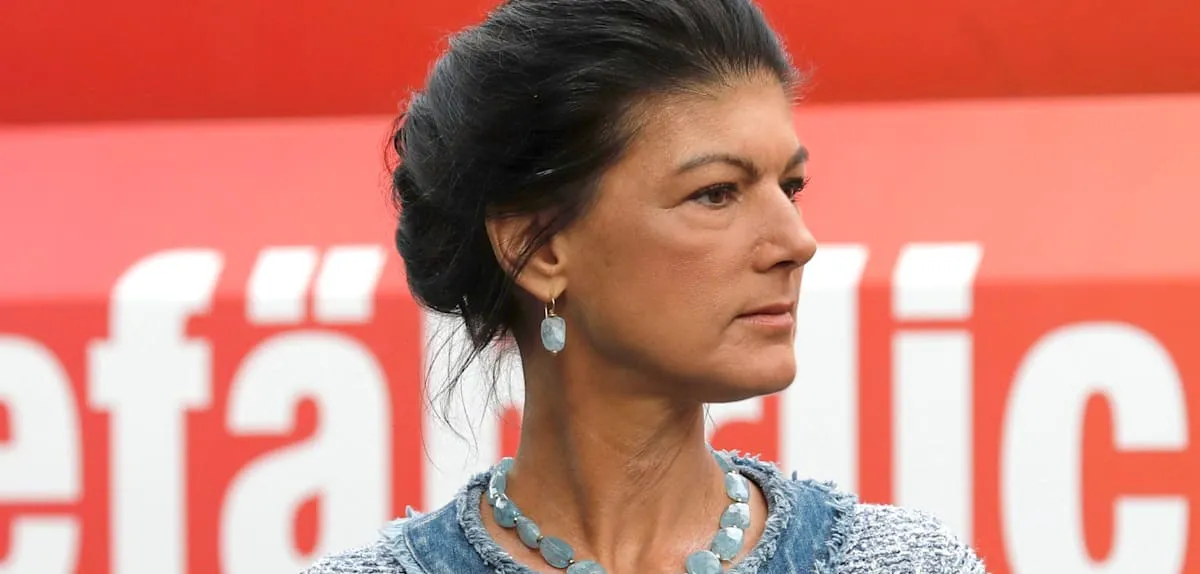
DUBAI – Young climate activist Greta Thunberg once again shook the international stage with her sharp statement at the 31st Conference of the Parties (COP31) in 2026. With a captivating and uncompromising tone, she asserted that the climate crisis is not merely an environmental issue but a matter of life and death that demands serious attention and action from all humanity.
Addressing world leaders, negotiators, and delegates from various countries, Greta emphasized the need for an urgent collective response. We can no longer delay. Every decision made or not made today will determine the fate of future generations, she stated, voicing a collective frustration over the slow pace of global climate policy progress.
Greta's warning comes as COP31 is held amidst an increasing frequency and intensity of extreme weather events across the globe. This conference serves as a crucial forum for nations to evaluate their commitments to the Paris Agreement and formulate more ambitious mitigation and adaptation strategies.
Thunberg's statement exerts significant moral pressure on the negotiation process, given her iconic status in the global climate movement since her emergence years ago. Her outspoken voice continuously reminds policymakers about the urgency of moving from rhetoric to tangible action.
In the same context, positive news emerged from China, which announced an ambitious target to achieve 35% electrification by 2030. This commitment includes a significant increase in renewable energy use and electric vehicles, marking an important step from one of the world's largest emitters.
China's planned electrification is expected to provide a substantial boost to global efforts to reduce carbon emissions. Massive investments in green technology and eco-friendly infrastructure will be key to the success of this target, potentially transforming the global energy landscape.
Furthermore, in the United Kingdom, a senior regional official, Burnham, appointed a special envoy for climate security. This appointment indicates a deeper recognition that climate change is not just an ecological threat but also has the potential to trigger social instability and conflicts, particularly related to migration and resource scarcity. Similar initiatives are increasingly adopted in various other regions, reflecting a growing understanding of the security dimension of the climate crisis.
The role of a climate security envoy is to integrate climate considerations into defense and foreign policy, and to build capacity to respond to climate-induced security challenges. This includes mitigating risks such as flash floods displacing residents or conflicts due to water shortages.
Observers believe that the combination of activist pressure, commitments from major countries, and innovative regional initiatives is creating new dynamics in global climate governance. However, the gap between pledges and realization remains a major challenge to be addressed.
On the other hand, the latest scientific data presented at COP31 further reinforces the argument that the window of opportunity to limit global warming below 1.5 degrees Celsius is rapidly closing. Reports show that the impacts of climate change are already evident, ranging from extreme heatwaves to erratic rainfall patterns.
The global economy also faces a significant dilemma: while the cost of transitioning to a green economy is high, the cost of climate inaction will be far greater. Investments in renewable energy, technological innovation, and infrastructure adaptation are seen as strategic imperatives, no longer just moral choices.
COP31 is expected to yield not only declarations but also concrete roadmaps with clear targets and robust accountability mechanisms. Pressure from civil society, supported by undeniable scientific data, is expected to drive delegates to reach truly transformative agreements.
Editorial Insight: Greta Thunberg's stark statement at COP31 in 2026 confirms that the climate issue has transcended academic discussion to become an urgent moral imperative. While China's commitment to 35% electrification and the appointment of a climate security envoy in the UK are positive steps, these are merely the beginning. The real challenge lies in how other nations, especially advanced economies, can significantly and sustainably escalate their ambitions and policy implementations, not just on paper, but through actions that have a tangible impact on the planet's sustainability. Without solid and consistent global cooperation, Greta's warning about the life-or-death stake will continue to haunt the future.