 Chris Robert
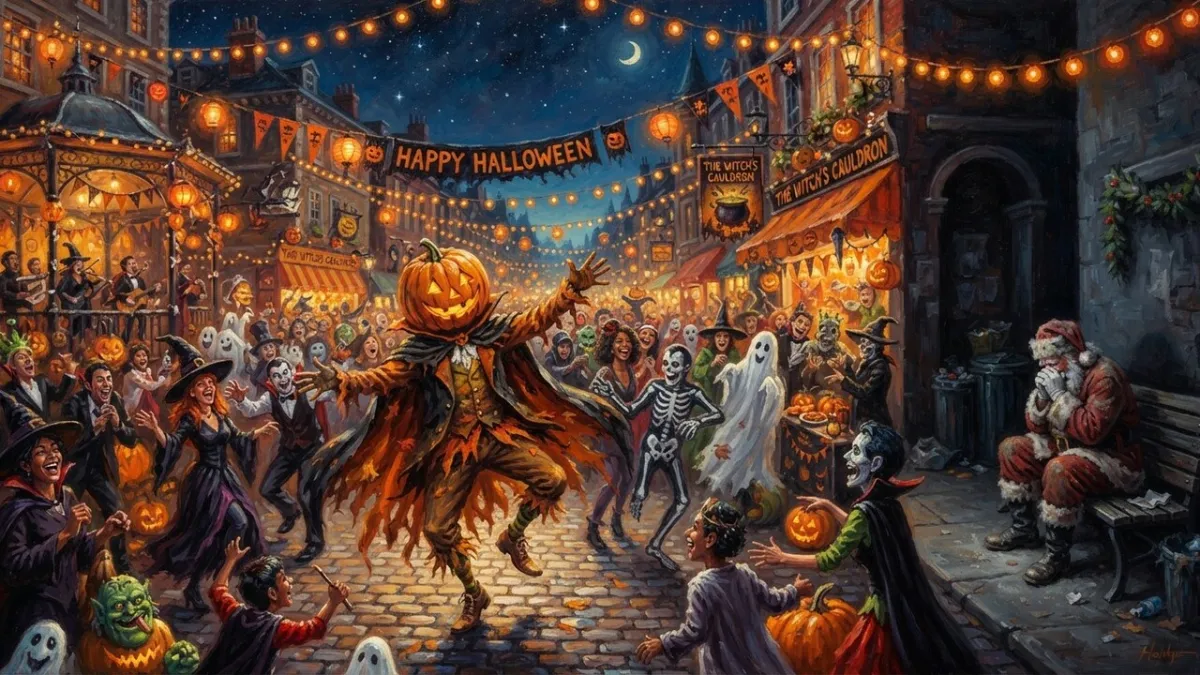
ROME – The 2026 Halloween celebration, falling at the end of October, once again presents a dual face: caught between the preservation of spooky traditions and the massive roar of market capitalization. The transformation of this ancient festival, from a ritual to ward off evil spirits to a field of global economic profit, is increasingly unstoppable, shifting its horror essence into a consumer attraction.
What was once synonymous with carved pumpkins, ghost costumes, and scary stories has now expanded significantly. Every year, creative and retail industries compete to present increasingly absurd yet highly marketable product innovations.
This phenomenon is clearly visible from the variety of goods offered, ranging from adorable special costumes for babies to giant corn mazes designed as family tourist attractions.
Various elements marking this celebration have undergone massive market adaptation:
- Cute and trendy Halloween-themed baby costumes.
- Large-scale commercial corn mazes and 'haunted house' attractions.
- Innovative cosmetic products like spooky magnetic lip gloss.
- Fashion accessories such as ties with unique Halloween motifs.
This shift in meaning raises profound questions. Has the spirit of Halloween, which is supposed to refer to the boundary between the living and the dead, now become merely a pretext for industries to reap profits? It is no longer just a celebration, but an annual economic mega-event.
Cultural sociology expert, Dr. Renata Kusumo from Gajah Mada University, stated, 'Capitalism has an extraordinary absorbent power over tradition. Halloween is just one example of how a cultural festival can be adapted and transformed into a global commodity. This shows the market's adaptation to every loophole that can generate profit.'
Not only in Western countries, the Halloween euphoria has also spread to Asia, including Indonesia, albeit with unique local interpretations. Shopping centers and cafes compete to decorate themselves with spooky ornaments, while social media is filled with Halloween-themed content.
Consumers, especially the younger generation, enthusiastically embrace the various products and events presented. They buy decorations, attend costume parties, and create 'instagrammable' experiences to share, prioritizing visual aesthetics over philosophical meaning.
Criticism of this excessive commercialization is also beginning to emerge. Some circles worry that the traditional and spiritual values underpinning Halloween will be eroded by the hustle and bustle of mass consumerism.
Is this celebration still capable of evoking reflection on fear, death, or does it only leave superficial joy? This question remains relevant for ongoing discussion amidst the onslaught of trends and market demands.
Amidst the market's frenzy, the sky itself even presents a 'Halloween phenomenon' no less intriguing. This year, the world was abuzz with news of a Halloween asteroid passing Earth closer than the Moon, an astronomical event that added a magical nuance to late October. However, public focus appears to be more drawn to market festivities than to the wonders of the universe.
Nevertheless, Halloween 2026 remains proof of cultural adaptability and unmatched market power. It transforms, evolves, and continues to find ways to remain relevant in a constantly changing global society.
The future of Halloween will likely continue to stand at the crossroads between maintaining its mystical traditional roots and responding to increasingly aggressive commercial demands, necessitating a careful balance.
Editorial Insight: Halloween's transformation into a commercial phenomenon is a reflection of cultural globalization and massive consumer capitalism. While it offers joy and economic stimulation, it is crucial to re-examine whether the historical and cultural essence of this festival is preserved behind the glare of extensive marketing. The potential erosion of original values poses a serious challenge to global cultural heritage.