 Angela Stefani
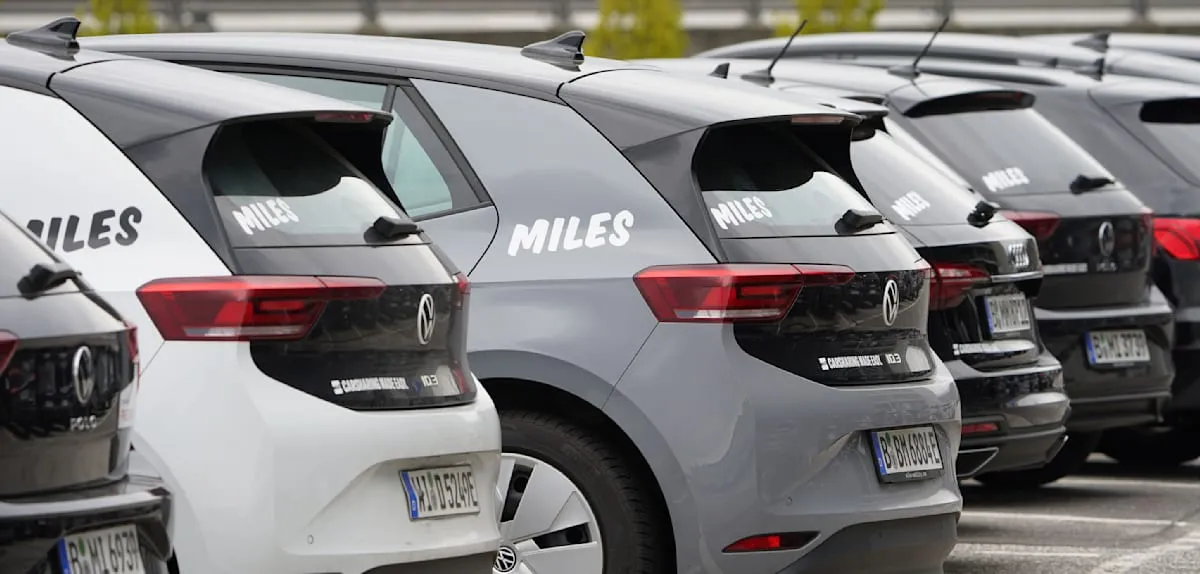
Hamburg — The car-sharing landscape in Hamburg is undergoing a significant shift, reflecting the evolution of urban mobility in 2026. Although the number of vehicle fleets appears to be visibly shrinking, their utilization intensity has sharply increased, indicating a fundamental change in service providers' operations.
This phenomenon underscores the efficiency strategy and strong commitment of car-sharing operators towards transportation electrification. Amidst demands for sustainability and resource optimization, this major German port city is becoming a laboratory for new, smarter mobility models.
Current data reveals that car-sharing operators are actively streamlining the number of units available on the streets. This move, which might seem contradictory, is in fact a strategic response to market dynamics and a desire to maximize every asset owned.
Nevertheless, usage reports uncover an interesting fact: each vehicle unit now records a higher frequency of trips. This indicates that the decision to streamline has not diminished accessibility or user interest, but rather drives significant resource optimization.
Essentially, vehicles are no longer idling as much. With fewer units operating more frequently, operational efficiency reaches an optimal point. The implemented business model proves capable of ensuring that public mobility remains uninterrupted, even with a leaner fleet.
The most striking transformation lies in providers' commitment to massively switch to electric fleets. The strong push towards zero-emission vehicles is not just a fleeting trend but a main pillar of a long-term strategy, aligning with Hamburg's vision as a green city and the European Union's carbon neutrality targets.
This streamlining and electrification strategy is not without strong reasons. Operators are striving to minimize operational costs, including maintenance and charging, while simultaneously meeting the expectations of increasingly environmentally conscious consumers. Investment in eco-friendly technology is now a top priority.
This shift directly impacts urban mobility patterns in Hamburg. With more electric vehicles on the road and higher utilization, the potential for reducing traffic congestion and air pollution becomes tangible, delivering positive impacts on the quality of life for city residents.
Although the number of units is reduced, providers pledge to maintain or even enhance service quality. Vehicle availability through sophisticated digital applications is key, ensuring users continue to get quick and easy accessibility whenever they need it.
Dr. Klaus Richter, an urban transportation expert from the University of Hamburg, stated, "Fleet streamlining does not mean a decline in service, but rather the evolution of a more mature business model. Car-sharing in Hamburg exemplifies how efficiency can be achieved through innovation and a focus on ecological sustainability."
This trend is expected to continue, with more European cities adopting similar models. The focus on electric vehicles and optimized fleet utilization will become industry standards, shaping the future of urban transportation to be more efficient and sustainable.
Thus, Hamburg once again positions itself as a pioneer in transportation innovation. This strategic shift is expected not only to benefit service providers and the environment but also to offer smarter and more adaptive mobility solutions for its inhabitants in this modern era.