 Edward DP Situmorang
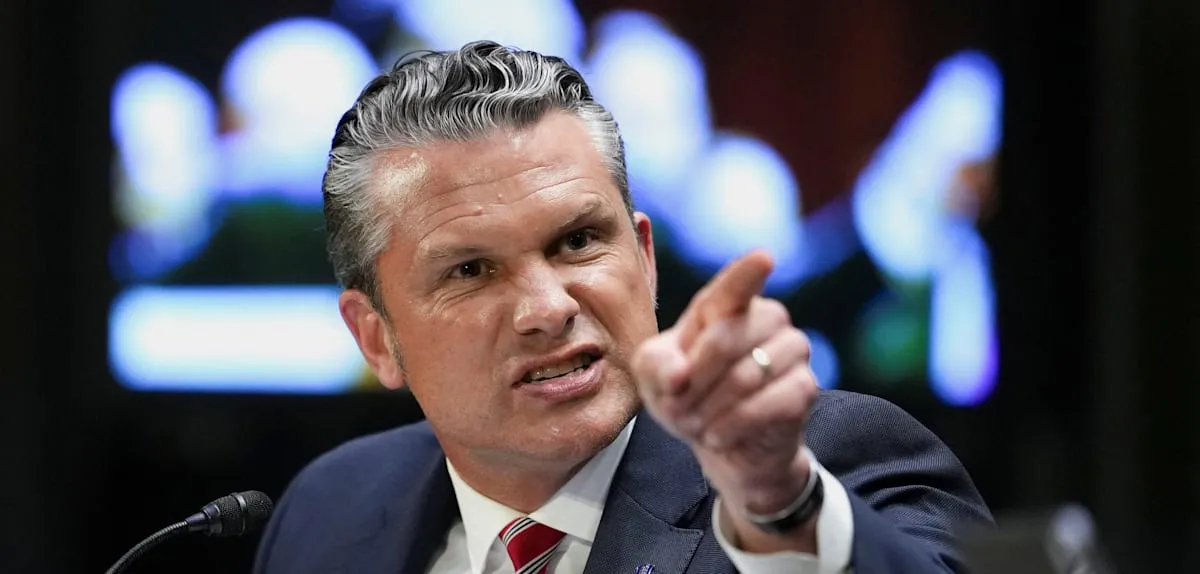
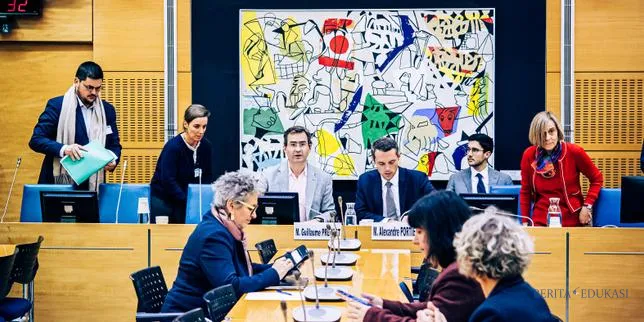
WASHINGTON DC — United States Secretary of Defense, Hegseth, recently faced severe interruptions while presenting a request for billions of dollars in emergency aid before the US Congress. The crucial session descended into chaos as Hegseth outlined the projected costs of an Iran war, triggering a wave of protests from demonstrators opposing US military involvement in the Middle East. This incident occurred amidst escalating rhetoric between Washington and Tehran in 2026.
In his speech, Hegseth emphasized the urgency of additional funding to sustain military operations and maintain regional stability. He candidly explained that a potential conflict with Iran would incur immense financial costs, amounting to billions of US dollars, a figure that sparked concern among legislators and the public.
However, as he sought to convince parliamentarians, dissenting voices began to rise from the public gallery. Protesters, mostly anti-war activists, chanted slogans of rejection and demanded an end to all forms of military intervention abroad. The situation became tense, forcing Capitol security to intervene to calm the disturbance.
These interruptions highlight the deep divisions within the United States regarding foreign policy, particularly concerning military involvement in Iran. A significant portion of American citizens expressed their reluctance towards a conflict that could potentially drag the nation into a prolonged war with severe economic and humanitarian consequences.
A spokesperson for the Department of Defense stated that despite the protest incident, Hegseth remains committed to his mission of ensuring US forces have the necessary resources. They emphasized that the proposed budget represents a crucial investment for national security and for US allies in the Middle East.
The disclosure regarding the costs of an Iran war coincides with a series of sharp threats exchanged between the United States and Iran. Tehran has repeatedly warned Washington not to interfere in its internal affairs, while the US asserts it will protect its interests in the region.
Analysis from international political observers indicates that tensions between the two nations have reached a critical point. Increased military activity, economic sanctions, and provocative rhetoric have further exacerbated the situation, raising the risk of a broader conflict escalation in the Persian Gulf region in 2026.
Many parties express concern that a full-scale conflict with Iran would not only directly harm both sides but also potentially disrupt global energy supplies and trigger significant global economic turmoil. Regional stability is the main stake in this dispute.
The international community urges both sides to exercise restraint and seek diplomatic channels to de-escalate tensions. Constructive dialogue is considered the only way to avoid potential humanitarian and economic catastrophes should a conflict erupt.
The chaotic Congressional session serves as a tangible reflection of the complex challenges facing the United States in formulating foreign policy. With potential costs running into billions of dollars and public demands for peace, the decisions made by Washington will have long-term implications for global security.