 Angel Doris
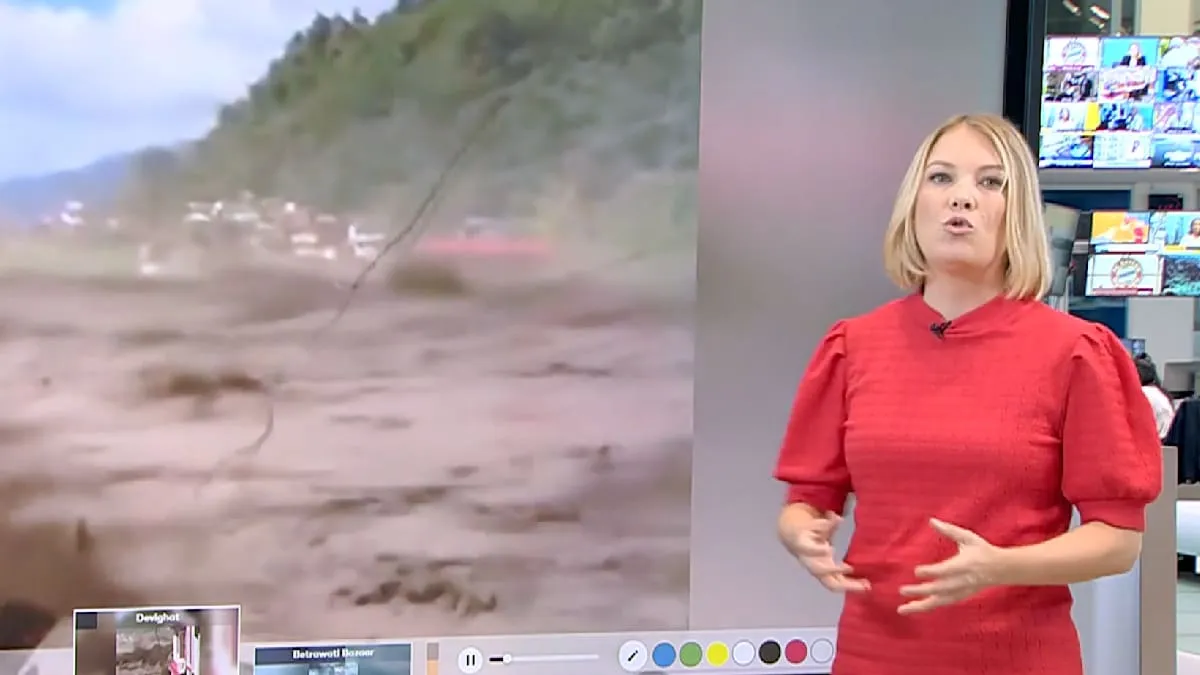
KATHMANDU – A devastating ice avalanche and flash flood has reportedly struck the border region between Tibet and Nepal, claiming at least 675 lives and triggering a profound crisis in victim identification. This tragic incident, precipitated by the collapse of approximately 23 million cubic meters of ice from the Himalayan mountains, has ignited global calls for humanitarian aid and massive reconstruction efforts.
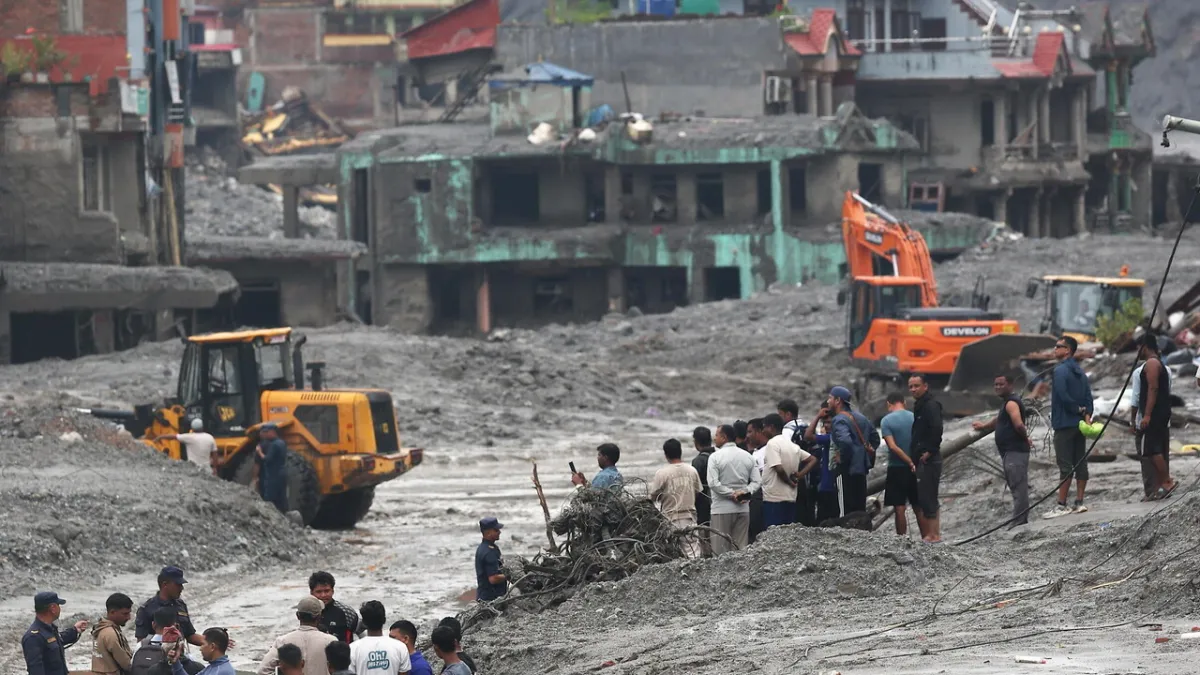
The tragedy, which unfolded recently, has caused severe damage to infrastructure and settlements in the mountain valleys. The torrent of water and mud, carrying gigantic ice material, swept through villages, leaving an unimaginable trail of destruction. Rescue teams face immense challenges given the extreme terrain and low temperatures.
Victim identification is an urgent priority, but the process is hampered by the condition of the bodies, which are difficult to recognize due to the impact of the landslide material. Local authorities have expressed difficulty in collecting complete information about the victims, exacerbating the grief of families who have lost loved ones.
Responding to the scale of the disaster, the Vatican, through Pope Leo XIV, has demonstrated deep concern. Pope Leo XIV dispatched significant economic aid as a gesture of solidarity and moral support for the affected communities. This assistance is expected to alleviate the initial burden on victims and support recovery efforts.
Reconstruction costs are estimated to reach a staggering 5 billion US dollars. This figure reflects the massive scale of damage inflicted upon the region, encompassing the rebuilding of settlements, bridges, roads, and other vital public facilities that were destroyed. Long-term efforts will require robust international coordination.
The Himalayan region, with its vulnerable geographical conditions, frequently bears witness to extreme natural phenomena. Global climate change is cited as a contributing factor to the increased frequency and intensity of similar disasters. Accelerated glacial melt contributes to the destabilization of ice masses.
This incident recalls a series of natural disasters that have previously struck Nepal. One such earlier flood tragedy, as reported in the article Nepal Flood Drama: Child Saved in Tree, Hugs Mother Thanks to Reuters, highlights the region's similar vulnerability to the forces of nature.
The governments of Tibet and Nepal are working closely with international humanitarian organizations to deliver aid, including food, temporary shelter, and emergency medical services. However, access to remote areas remains a major obstacle.
Environmental and geological experts are calling for enhanced early warning systems and the implementation of more aggressive climate change adaptation policies. Without effective mitigation measures, the threat of similar hydrometeorological disasters will continue to loom over mountain communities.
This crisis also highlights the importance of further research into Himalayan glacier dynamics and their impact on the stability of surrounding ecosystems. Accurate information and up-to-date data are essential for mitigating future risks.
The global community is urged not to turn away from the suffering unfolding. Financial and technical support will be crucial in helping Tibet and Nepal recover from this setback, rebuilding their lives and communities with greater resilience.
Editorial Insight: The ice avalanche disaster on the Tibet-Nepal border is not merely a local tragedy but a reflection of the urgent global climate crisis. Pope Leo XIV's swift response underscores the deep humanitarian dimension. However, the true challenge lies in coordinating large-scale reconstruction and developing long-term strategies to protect vulnerable populations from similar future threats, given the increasingly unstable Himalayan glaciers.