 Chris Robert

HONG KONG – Financial authorities in Hong Kong in 2026 significantly expanded the scope of crypto asset regulation, requiring crypto brokers, investment advisors, asset managers, and digital asset custodians to obtain official licenses. This policy aims to integrate the virtual asset sector into the established regulatory framework, enhancing transparency, protecting investors, and ensuring market stability in one of the worlds leading financial centers. This strategic move reflects Hong Kongs commitment to creating a safe and trustworthy crypto ecosystem amidst evolving market dynamics.
This expanded regulatory mandate brings various entities operating within the virtual asset ecosystem under strict supervision. Previously, regulatory focus was primarily on trading platforms, but now, entities providing intermediary services, consultation, portfolio management, and digital asset custody must also meet stringent standards set by local regulators.
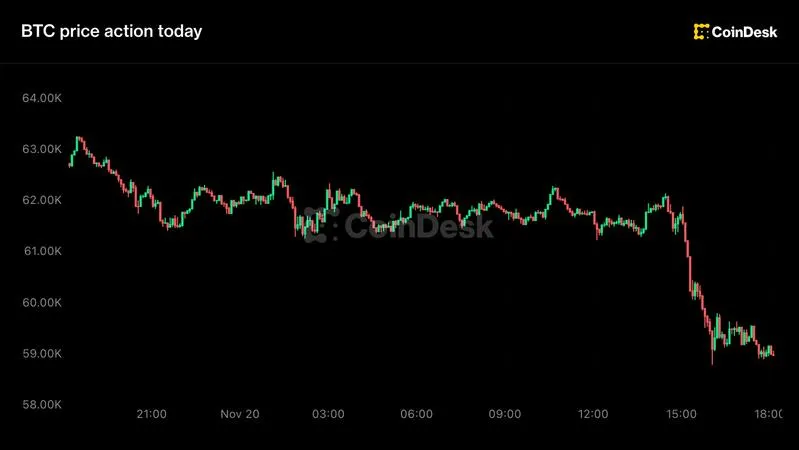
The background of this policy is closely linked to the frequent volatility in crypto markets, including moments when crypto market turbulence rattled Bitcoin prices. Regulators seek to minimize the risks of fraud, market manipulation, and money laundering often associated with the rapid growth of this industry. With mandatory licensing, every entity is expected to ensure compliance with high operational and ethical standards.
For brokers and advisors, these new rules demand significant adaptation. They must prepare robust compliance infrastructure, standard operating procedures, and risk management systems. The licensing process undoubtedly requires substantial investment in time and resources, but this is a cost to be borne for legitimacy and public trust.
Investor protection is a paramount priority. With licensing, every crypto service provider will be directly supervised, ensuring that investor funds and digital assets are safeguarded from harmful practices. This is also expected to foster greater confidence among retail and institutional investors to actively participate in a transparent digital asset market.
Digital asset custodians, responsible for storing clients' crypto assets, are now also under the regulatory umbrella. Their role is crucial in securing assets from cyberattacks or operational failures. Strict cybersecurity standards and minimum capital requirements will be applied to ensure safe and continuous operations.
Hong Kong has long positioned itself as a global financial hub. With this regulatory step, it reinforces its ambition to become a responsible crypto innovation center. This proactive approach contrasts with some other jurisdictions that may still be grappling with how to effectively regulate the digital asset sector.
This move places Hong Kong on par with other progressive jurisdictions, such as the European Union with its MiCA (Markets in Crypto Assets) and several countries that have introduced comprehensive regulatory frameworks. This effort indicates a global trend towards greater formalization and oversight of the crypto industry.
While licensing requirements may seem burdensome for some smaller players, this policy has the potential to attract more large institutions and established players seeking a clear and orderly operating environment. This orderliness can encourage wider adoption of crypto assets among institutional investors.
Of course, the full implementation of these regulations is not without its challenges. Balancing the promotion of innovation with maintaining market stability remains key. Regulators will need to carefully monitor the impact of this policy to ensure it does not hinder the future development of blockchain technology and digital assets.
These developments occur at a time when the global crypto market exhibits volatility. Hong Kong's decision to tighten regulations can be seen as an effort to fortify itself against potential turmoil and provide certainty to investors amidst market uncertainties.
Editorial Insight: Hong Kong's decision to expand crypto regulation marks a crucial turning point in the city's journey as a global financial hub. This is more than just an addition of rules; it is an affirmation of a long-term vision to embrace financial innovation while mitigating systemic risks. This move is expected to filter market players, encourage consolidation, and ultimately create a more mature and trustworthy digital asset market. Its long-term impact will be seen in increased institutional investor participation and more stable capital flows, making Hong Kong a model for other jurisdictions struggling to balance innovation and regulation.