 Edward DP Situmorang
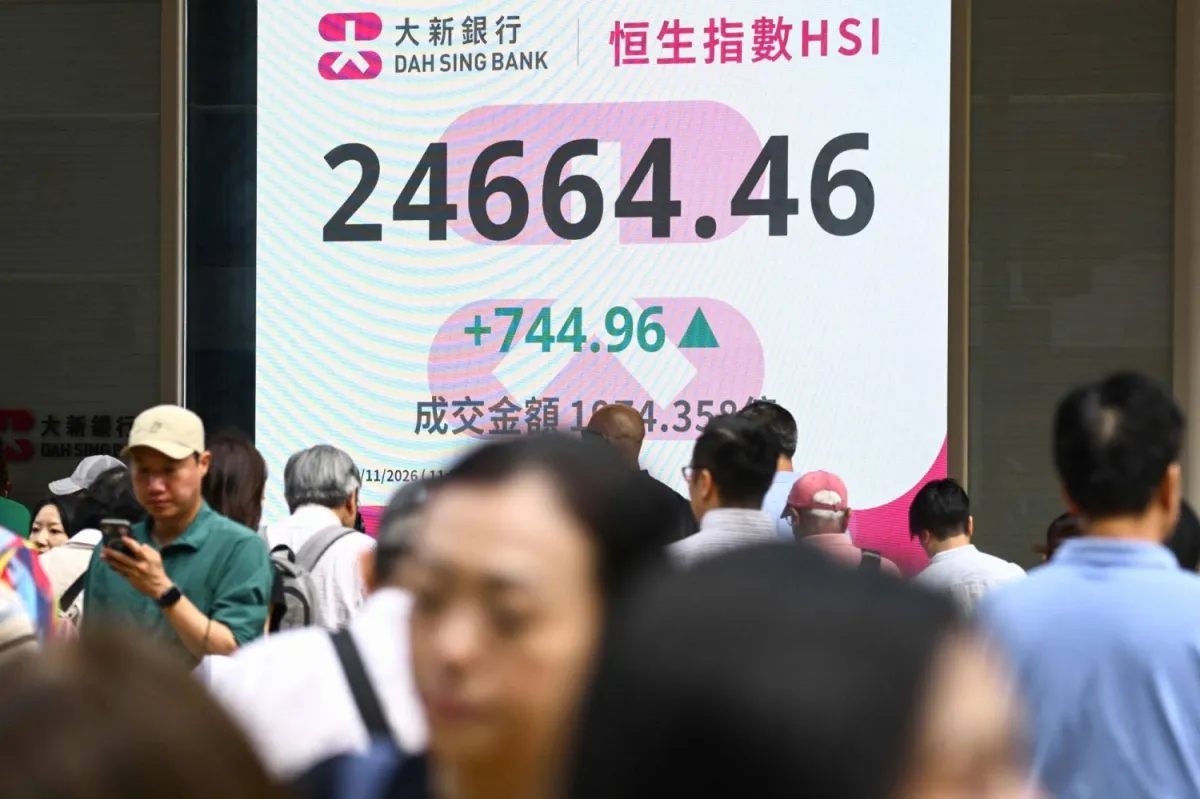
BEIJING – China's equity market entered a brutal bear market phase in 2026, wiping out over $3 trillion in market value and eradicating all gains accumulated throughout the year for millions of retail investors. This crisis marks a significant turning point for the Asian giant's technology sector, raising profound concerns about regional and global economic stability.
The massive loss of three trillion dollars is no trivial figure. This amount surpasses the gross domestic product (GDP) of several developed nations, indicating the scale of value destruction that occurred in a short period. Major indexes, which had previously soared thanks to tech euphoria, now record drastic declines, returning market conditions to a year prior, or even lower.
A bear market is defined by a condition where stock prices fall 20% or more from their peak. The current situation in China far exceeds this threshold, creating a widespread climate of fear and uncertainty among market participants. This negative sentiment is exacerbated by continuous selling pressure, creating a downward spiral that is difficult to stop.
Various factors are believed to be the catalyst for this downturn. The tightening of government regulations on Chinese technology companies, which began several years ago, continues to create operational uncertainty and limit growth potential. Furthermore, global and domestic economic slowdowns, coupled with ongoing geopolitical tensions, further cloud the outlook for tech companies. Issues such as strict data surveillance and restrictions on aggressive expansion also play a role.
Retail investors, often the group most vulnerable to market volatility, have felt the most severe impact of this crisis. Many who entered the market during its peak, lured by promises of quick profits from the booming tech sector, now face the bitter pill of significant losses. The pensions and personal savings of millions of Chinese families are also at risk.
This fall in the tech equity market does not only affect direct investors. Its impact ripples throughout China's entire economic ecosystem. Large technology companies, which are the backbone of innovation and job creation, may reduce investment and expansion. This could trigger a wave of layoffs and broader economic contraction. Losses could also be felt by related sectors such as banking and financial services.
The Chinese government is under immense pressure to stabilize the market. Although some measures have been taken to ease regulatory concerns, their effectiveness remains questionable. Beijing authorities face a dilemma between controlling tech giants and maintaining investor confidence. The right balance is crucial to prevent a deeper crisis of trust.
This downturn is reminiscent of previous bear market episodes, both in China and in other global markets. However, the scale and speed of value destruction this time have unique characteristics, especially given China's dominant technological position on the world stage. History shows that recovery from such conditions requires time and substantial structural reforms.
The future of China's tech sector is now a big question mark. While innovation and a massive consumer base remain strengths, investor confidence is key. Companies like Tencent, once considered unshakable, now face serious challenges. This is reflected in discussions questioning Tencent's threatened dominance by changes in China's AI landscape.
As the world's second-largest economy, shocks in the Chinese market are bound to have global ripple effects. International investors with exposure to Chinese stocks are also feeling the impact. This situation could worsen overall global market sentiment, especially amid ongoing macroeconomic uncertainties.
Not only the technology sector, but other industries dependent on China's economic stability are also feeling the repercussions. For instance, automotive giant BMW recently reportedly cut thousands of jobs in China, indicating profitability pressures in the world's largest consumer market. This demonstrates that problems in one sector can spread and affect supply chains and manufacturing.
Editorial Insight: The downturn in China's tech equity market in 2026 is a stark reminder of the investment risks in a heavily regulated market amidst fluctuating geopolitics. While the Chinese government has the capacity for market intervention, long-term effectiveness will heavily depend on fundamental reforms and restoring investor confidence. This is not merely a typical market correction, but a potential paradigm shift in investment within one of the world's largest economies, with consequences far beyond its borders. Policymakers must move swiftly to address structural root causes before the damage becomes irreversible.