 Dodi Irawan
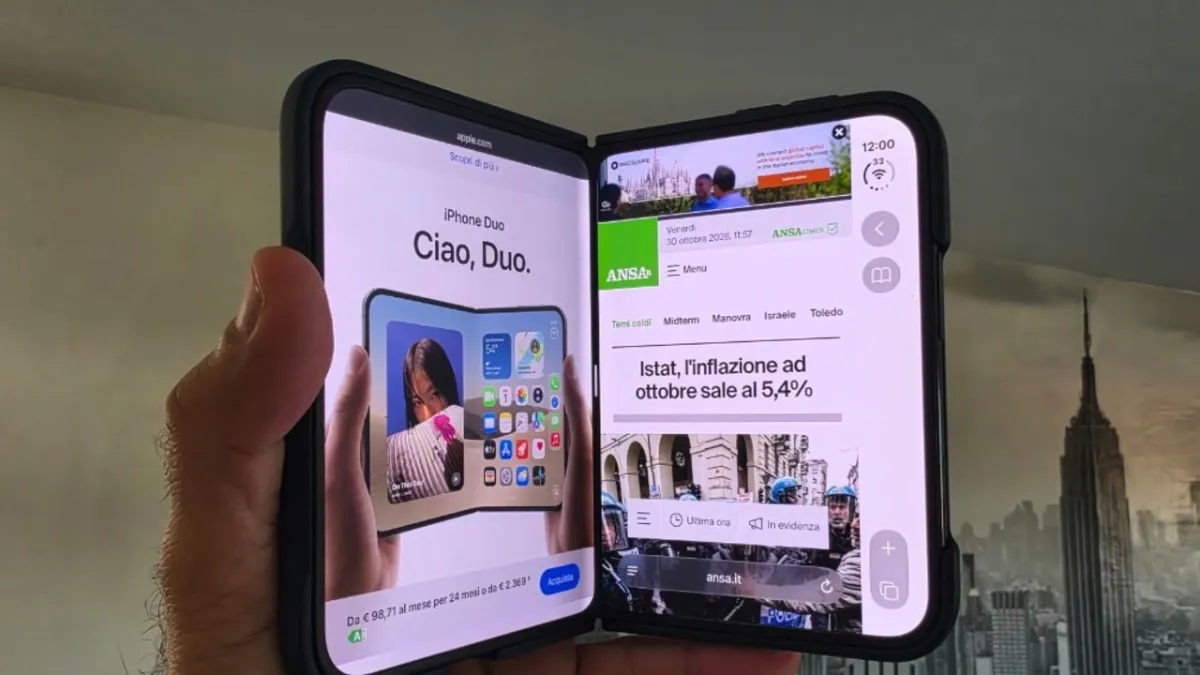
Jakarta – Apple has launched its latest device, the iPhone Duo, touted as a groundbreaking innovation for the future of the global foldable smartphone industry. While aesthetically stunning with premium materials, initial tests in 2026 indicate that user experience is still hampered by immature app optimization, raising questions about Apple's readiness to compete in this segment.
The physical design of the iPhone Duo is undeniably captivating. Apple, as usual, showcases its expertise in material selection and manufacturing precision. Users experience premium quality through the robust feel of the body and a seamless folding mechanism, far exceeding initial expectations for a first-generation device.
The name Duo itself indicates the dual-screen concept or folding capability that serves as its primary appeal. This aligns with 2026 technology trends that highlight innovations in device form factors, as previously discussed in the article Journalists Uncover Hidden Stories: Media Collaboration Reveals 2026 Tech Trends. Public expectations for this dual functionality are exceedingly high.
However, beneath its alluring facade, the full potential of the iPhone Duo has yet to be fully realized. Several independent testers and technology journalists report that software remains the primary obstacle. Transitions between screen modes, from single to dual display, occasionally feel less responsive or experience delays.
The main issue lies within the app ecosystem. Many popular applications have not been perfectly optimized to utilize the iPhone Duo's folding features or dual-screen modes. This leads to distorted displays, limited functionality, or even sluggish performance, eroding the premium experience Apple promised.
This is a bold step for Apple, but it appears they may have launched this device a bit prematurely for their app ecosystem's readiness, stated Dr. Mira Santoso, a technology industry analyst, in a recent interview. The hardware is revolutionary, but the software still requires significant refinement.
Apple itself has not yet issued an official statement regarding this optimization issue, but observers believe the company will continue to invest heavily in software development and encourage app developers to adopt new standards supporting foldable devices. This is not an easy challenge, given the scale of the iOS app ecosystem.
Apple's move into the increasingly competitive foldable phone market in 2026 demonstrates its ambition to remain a pioneer. However, competitors have already introduced foldable devices with better software maturity, placing significant pressure on the iPhone Duo to rapidly improve.
For consumers expecting a seamless, typical Apple experience from day one, this situation might be somewhat disappointing. The iPhone Duo's potential is indeed extraordinary, but the promise of Apple's foldable technology future still requires time to be fully realized.
With its reputation for consistently refining products, Apple is expected to overcome these challenges. The launch of the iPhone Duo could serve as an initial foundation for Apple's dominance in the foldable device segment, provided they can quickly align hardware excellence with software maturity.
Editorial Insight: The launch of iPhone Duo reaffirms Apple's commitment to innovation, but also highlights the complexity of developing devices in a new category. Material quality and design are no longer enough; seamless software integration is key to winning consumer hearts. Apple's success in the foldable phone segment will heavily depend on how quickly they can optimize the app ecosystem and deliver a perfect user experience. This will be a major gamble for Apple's future in the dynamic technology market.