 Dodi Irawan
TEHRAN – Iran's Deputy Foreign Minister for Political Affairs, Kazem Gharibabadi, has strongly responded to a statement by U.S. President Donald Trump concerning the Strait of Hormuz. Through a post on the X platform, Gharibabadi asserted that the vital shipping lane cannot be conquered simply with a tweet from a superpower leader. This statement emerged as a direct rebuttal to Trumps claims, which Iran perceives as undermining its sovereignty and defensive capabilities over the strategic strait.
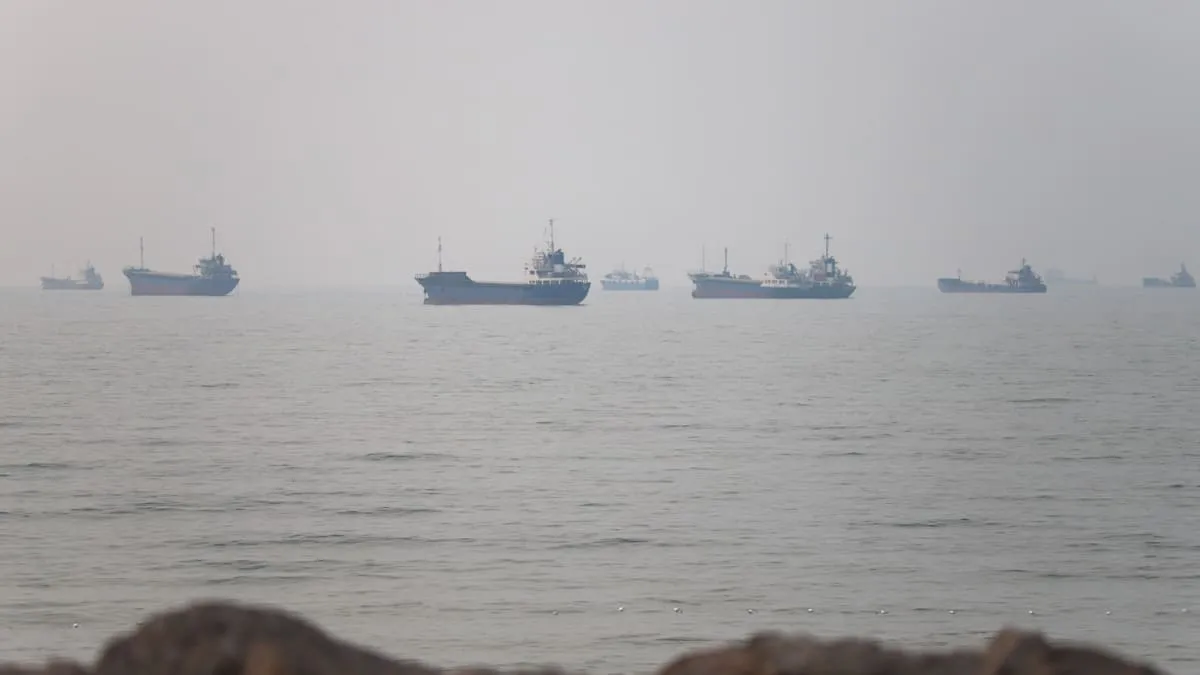
Diplomatic tensions between Tehran and Washington are once again heating up following Trumps comments on one of the world's most critical maritime passages. The Strait of Hormuz is a crucial chokehold for global oil trade, connecting the Persian Gulf with the Arabian Sea, and through which approximately one-third of the world's seaborne oil supply passes.
Gharibabadis post explicitly satirized the digital diplomacy approach often employed by President Trump. He emphasized, History and geography teach that the sovereignty of a territory is not determined by social media rhetoric, but by the will and strength of its people. This response underscores Irans unyielding stance in the face of verbal pressure from the United States.
The specific statement from President Trump that triggered this response has not been publicly detailed, but typically revolves around threats or warnings related to freedom of navigation in the Strait of Hormuz. Washington frequently accuses Iran of actions that threaten international shipping in these waters, allegations Tehran consistently and vehemently denies.
This rhetorical conflict is not a new phenomenon. Throughout history, the Strait of Hormuz has been a geopolitical flashpoint, intertwining global interests with regional ambitions. Iran, as a country directly bordering the strait, has always viewed control over Hormuz as an integral part of its national security and a strategic bargaining chip.
Since Donald Trump's leadership, relations between the United States and Iran have indeed often been marked by verbal escalation and economic sanctions. The U.S. withdrawal from the JCPOA nuclear deal in previous years had exacerbated conditions, triggering a series of incidents and provocative statements from both sides.
Gharibabadis comments reflect Irans consistent position, which considers any attempt to intervene in or threaten the Strait of Hormuz as aggression against its sovereignty. He also reminded the world of Irans military capacity to defend its territorial waters.
Military conquest, let alone through a 'tweet,' will never be effective in a region protected by strong resolve, Gharibabadi wrote, adding that Tehran will continue to ensure security and stability in the Strait of Hormuz based on international law and the principle of self-defense.
International political analysts view this exchange as part of a broader psychological game between the two powers. Washington seeks to pressure Iran to change its policies, while Tehran endeavors to demonstrate its inability to be intimidated.
The impact of such rhetoric often creates volatility in global oil markets, given the vital importance of the Strait of Hormuz to the world's energy supply. Geopolitical uncertainty in this region consistently remains a major concern for the international community.
Nevertheless, such statements are also seen as Irans public diplomacy effort to rally internal support and assert its position on the world stage, especially in the eyes of countries that also have interests in the Persian Gulf.
Editorial Insight: The rhetorical exchange between Iran and the United States via social media indicates that tensions in the Persian Gulf are far from over. Although seemingly a war of words, this dynamic has the potential to trigger serious miscalculations. Irans firm stance on the Strait of Hormuz is not just a bluff, but a reflection of its national security doctrine which regards this waterway as its economic lifeline. The security of navigation in Hormuz will continue to be a central issue requiring serious attention from the international community, transcending the boundaries of social media platforms.