 Angel Doris
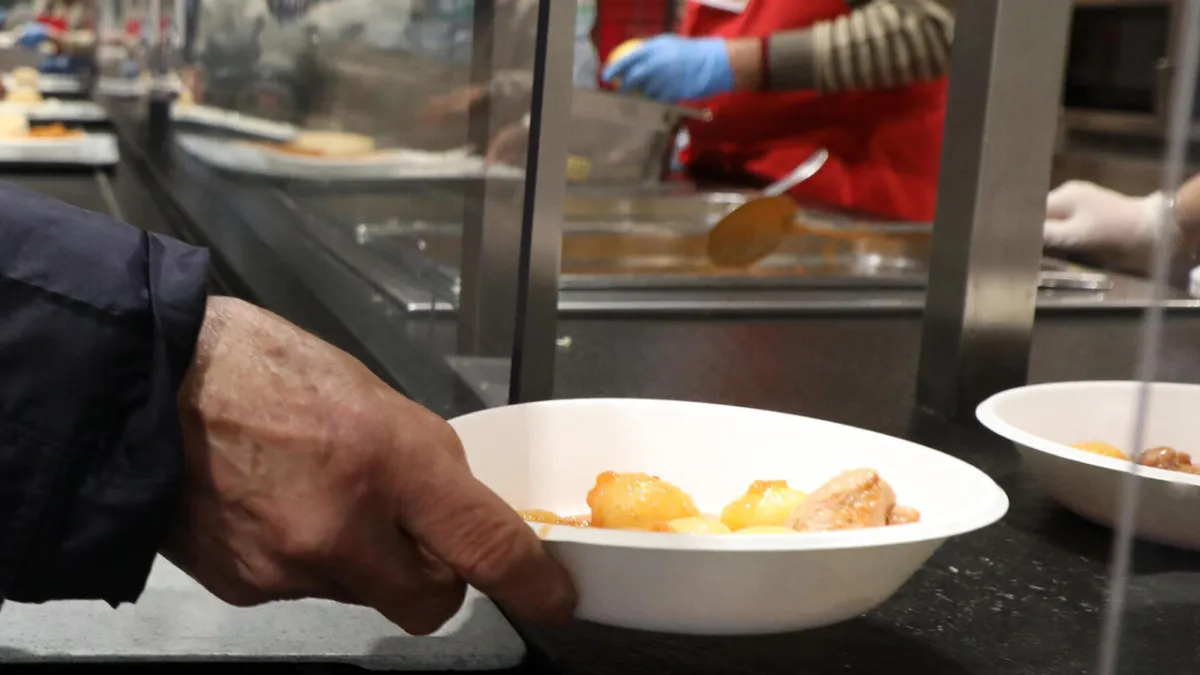
ROME – A startling report from Caritas Italy in 2026 reveals that health-based poverty has worsened significantly across the country. Over the past decade, the number of individuals experiencing health-related fragility has surged dramatically by 69.4%, signifying a profound social crisis that demands immediate attention from the government and society.
The Catholic charitable organization released data highlighting the cumulative impact of economic stagnation and social pressures on access to essential healthcare services for Italian citizens. These findings underscore that poverty is no longer solely a financial limitation but has permeated the fundamental aspects of physical and mental well-being.
The 69.4% increase is not merely a statistic but represents millions of citizens now struggling to afford medical treatment, access specialist doctors, or even purchase basic medicines. This condition exacerbates chronic illnesses and hinders preventive efforts, creating a vicious cycle of poverty and poor health.
According to Caritas's analysis, the root causes of this health poverty are multifaceted. High unemployment rates, especially among youth and the elderly, and inadequate minimum wages have reduced the overall purchasing power of the populace. As a result, healthcare expenditures become a secondary priority after food and shelter.
We are witnessing a new and heartbreaking wave of poverty, where health is no longer a universal right but a luxury for a select few, said a Caritas Italy spokesperson at a recent press conference. The country urgently needs to formulate a comprehensive strategy to prevent the health inequality gap from widening further.
The report also details the most vulnerable groups to health poverty, including:
- Elderly individuals with chronic illnesses requiring long-term care.
- Low-income families with children needing special medical attention.
- Immigrants and homeless people struggling to access formal healthcare systems.
This situation places a heavy burden on Italy's national healthcare system, which, despite its reputation for quality, now faces immense pressure from a surge in patients unable to pay. Long queues for public services and budget limitations are becoming a common sight in many healthcare facilities.
The Italian government, under the leadership of President Sergio Mattarella, has demonstrated a commitment to improving the welfare of its citizens through various social programs. However, the scale and complexity of this health poverty issue require a more focused and radical approach, given its widespread economic and social impacts.
This phenomenon of health poverty also reflects a broader trend across Europe in the post-COVID-19 pandemic era, where economic crises and inflation have eroded the financial resilience of many families. Italy, with its aging demographic structure, is particularly vulnerable to these effects.
Caritas urges the government to strengthen social safety nets, increase public health budgets, and introduce policies that ensure every citizen has equal access to quality medical services, unhindered by their economic status. National well-being significantly depends on the health of its people.
The Italian government's efforts to enhance the dignity of its citizens, as affirmed by President Sergio Mattarella's support for the Paralympics, must be extended to address the root causes of this health poverty. This is a long-term investment for the nation's stability and progress.
Editorial Insight: This Caritas report serves as a stark alarm for Italy and all of Europe. Health poverty is not merely a humanitarian issue but a reflection of systemic failures that can erode the social and economic foundations of a nation. A slow or inadequate response could deepen public trust issues in government institutions and exacerbate existing social disparities. A serious approach demands cross-sectoral coordination, sustained investment in public services, and a collective awareness that health is a fundamental right, not a privilege.