 Edward DP Situmorang
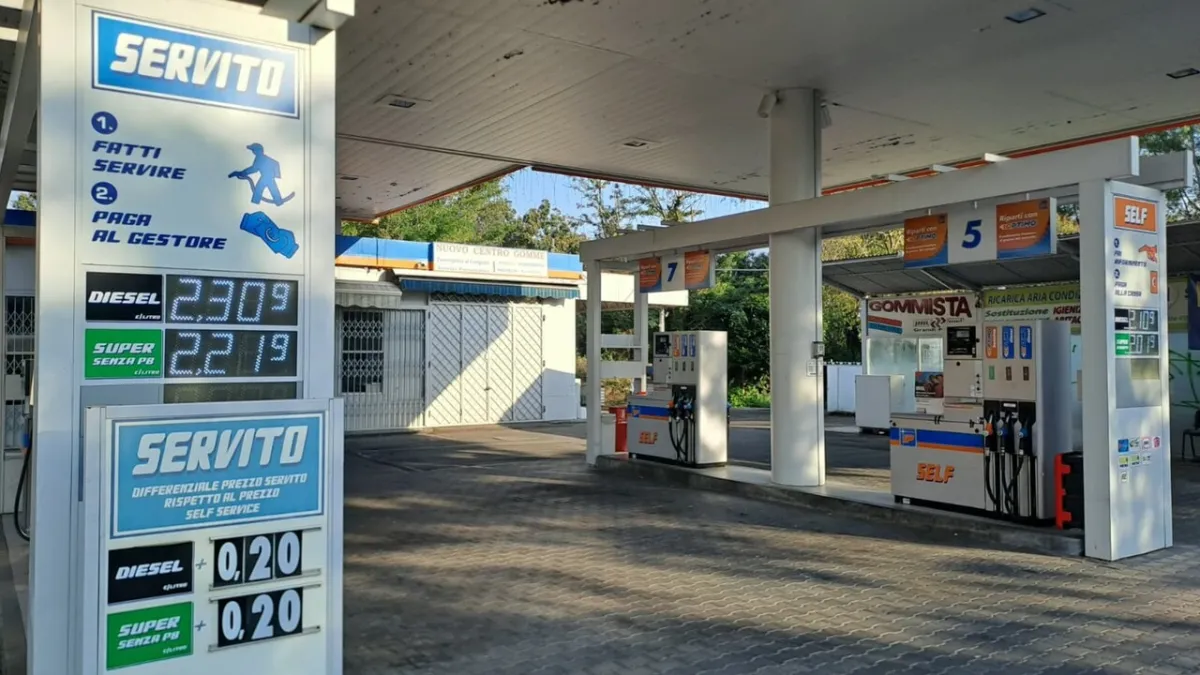
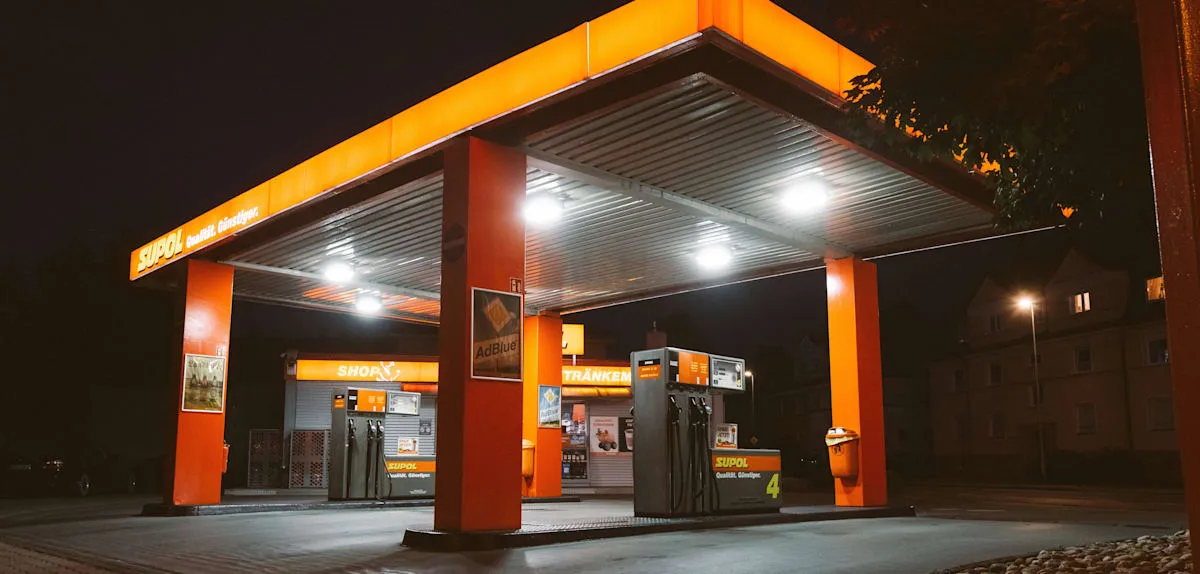
ROME – The Italian government has officially approved a fuel decree implementing an excise duty cut until September 5, 2026. This policy marks a tactical step before transitioning to a selective income-based support scheme, a strategy designed to address global energy price fluctuations while maintaining domestic economic stability.
This long-awaited decree aims to provide consumers with a respite from high fuel prices. The excise duty cut applies to all types of fuel, including gasoline and diesel, seeking to alleviate inflationary pressures burdening households and small businesses.
According to an official statement from the Prime Minister's office, the government will evaluate the policy's impact during the discount period. The evaluation results will form the basis for establishing subsequent, more targeted, and sustainable measures.
The government will assess the next steps during the final days of the excise discount, a quote from an unnamed government source affirmed, underscoring a commitment to policy adaptation. This approach demonstrates governmental flexibility in responding to market dynamics.
After September 5, the focus will shift to delivering more selective support. This new scheme is designed to target households and industrial sectors most vulnerable to rising energy costs, ensuring that government aid reaches those most in need.
Economists view this policy as an attempt to balance the nation's fiscal needs with protecting citizens' purchasing power. While a general excise cut will reduce state revenue, its positive impact on domestic consumption is expected to stimulate growth.
This decision also reflects a broader debate within the European Union regarding how member states can manage the energy crisis without violating competition rules or excessively burdening budgets. Italy, like many other European nations, faces significant challenges in keeping energy prices affordable.
Amid global geopolitical uncertainties, crude oil prices continue to fluctuate, exerting constant pressure on fuel prices at the pump. The excise duty cut policy is a direct, albeit temporary, response to these conditions.
The transition to an income-based subsidy scheme post-September 2026 requires robust and transparent data mechanisms. The government must ensure accurate income data and efficient aid distribution processes to avoid bureaucracy that might hinder the primary objective.
This step also signals to the public that the era of universal energy subsidies is ending, to be replaced by a more focused approach. This aligns with a global trend to gradually reduce fossil fuel subsidies and encourage energy efficiency.
Italy's future energy policy will heavily depend on global oil price developments and supply chain stability. Thus, the government must remain vigilant and prepared with contingency plans to face any eventuality.
The Italian public has welcomed the news of the excise cut, although some express concern about the continuation of support after the discount period ends. They hope the promised selective scheme can genuinely ease their burden without creating new difficulties.
Editorial Insight: The Italian government's decision to cut fuel excise duties demonstrates a pragmatic response to current economic pressures. However, the success of the transition to income-based subsidies will largely depend on effective implementation and data transparency. This policy represents a serious test of the government's ability to balance short-term economic incentives with long-term fiscal sustainability and social equity. It also sets an important precedent for other European nations facing similar dilemmas.