 Dodi Irawan
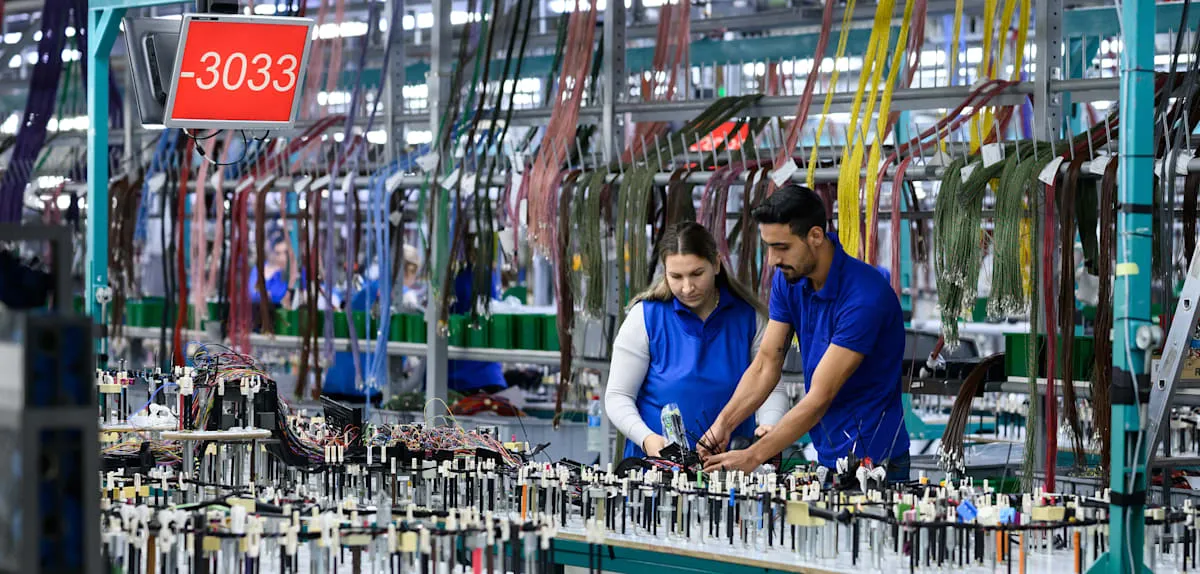
BERLIN – Nearly one-third of Germany's medium-sized enterprises, often referred to as SMEs, are currently planning to relocate their production facilities abroad. This trend follows in the footsteps of larger corporations that have already moved, sparking fresh concerns about the future of Germany's industrial base, as revealed in a recent report from the state-owned financial institution KfW.
The report, published in 2026, highlights a significant strategic shift. These companies are seeking cost efficiencies and better market access, with hopes primarily focused on the Asian region, which offers massive economic growth potential and a competitive business environment.
This phenomenon is not merely a sporadic decision but a reflection of persistent global economic pressures. Rising domestic energy costs, high labor wages, and the complexities of global supply chains have prompted many industrial players to rethink their operational strategies.
Several economic experts state that this relocation step is a crucial adaptation effort to maintain competitiveness in international markets. However, many are also concerned about its impact on domestic employment and innovation capacity within Germany.
The decision to move production is not taken lightly, said an industry analyst from Frankfurt, who wished to remain anonymous. It is a difficult choice driven by the urgent need to maintain profitability and penetrate promising new markets.
The KfW survey explicitly shows that the manufacturing sector is pioneering this trend. Companies in the automotive, machinery, and electronics sectors, in particular, see significant opportunities beyond Germany's borders.
The German government itself faces a serious dilemma: how to maintain investment attractiveness domestically while understanding companies' need to expand globally? Incentive policies and fiscal support are continuously being evaluated to prevent a larger exodus.
This production relocation is projected to provide long-term benefits for companies in terms of access to cheaper raw materials and rapidly growing consumer markets. Nevertheless, logistical challenges and regulatory differences remain key considerations.
In a broader context, this shift also reflects the global economic dynamics of 2026, where competition is increasingly fierce, and developing countries are becoming new centers of economic gravity. Germany, as a traditional industrial powerhouse, must adapt to this new reality.
Initial analysis indicates that the Asian region, especially Southeast Asia and India, is becoming a favored destination for German SMEs looking for new production sites. Adequate infrastructure and the availability of skilled labor at competitive costs are major attractions.
The KfW report recommends that the government and industry associations work more closely together to develop long-term strategies. This includes increasing investment in automation technology, training local workforces, and creating a stronger innovation ecosystem to ensure Germany remains relevant as a high-tech manufacturing hub.
Editorial Insight:
The phenomenon of production relocation by German SMEs is a significant indicator of the structural challenges facing the European economy as a whole. While this step may be necessary for the survival and growth of individual companies amidst intense global competition, its potential impact on Germany's industrial base and domestic innovation capacity cannot be ignored. The government and industry players must find a strategic balance between maintaining global competitiveness and strengthening the domestic economic foundation, so that Made in Germany remains a symbol of quality and innovation in the years to come.