 Dorry Archiles
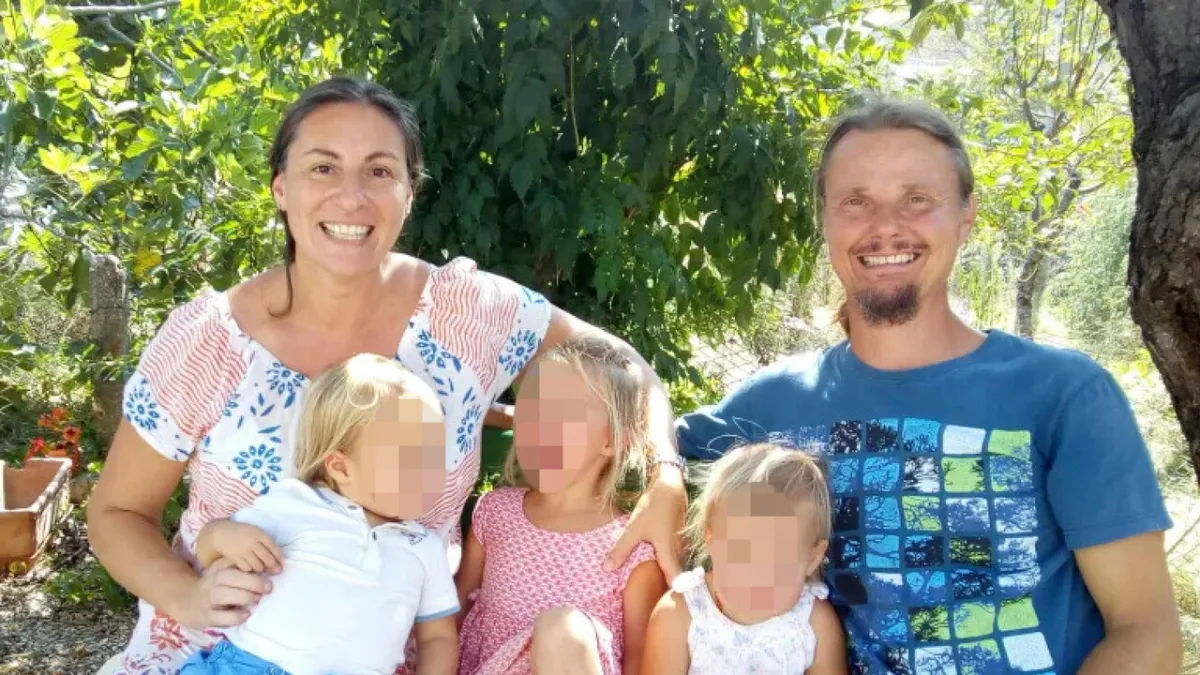
PALMOLI – An Italian court recently issued a progressive ruling, permitting the gradual reunification of three children from a family who chose to live in isolation in the forest near the Palmoli region of Abruzzo. This decision, announced in 2026, concludes a long period of speculation regarding the children's future, while emphasizing the crucial balance between parental rights and the best interests of the child.
The court determined that the children's return to their family environment must occur through a 'progressive path.' This implies that the adaptation process will be closely monitored and tailored to the children's psychological needs, ensuring a smooth transition from their secluded lives. The ruling highlights the complexities inherent in child protection cases involving alternative lifestyles.
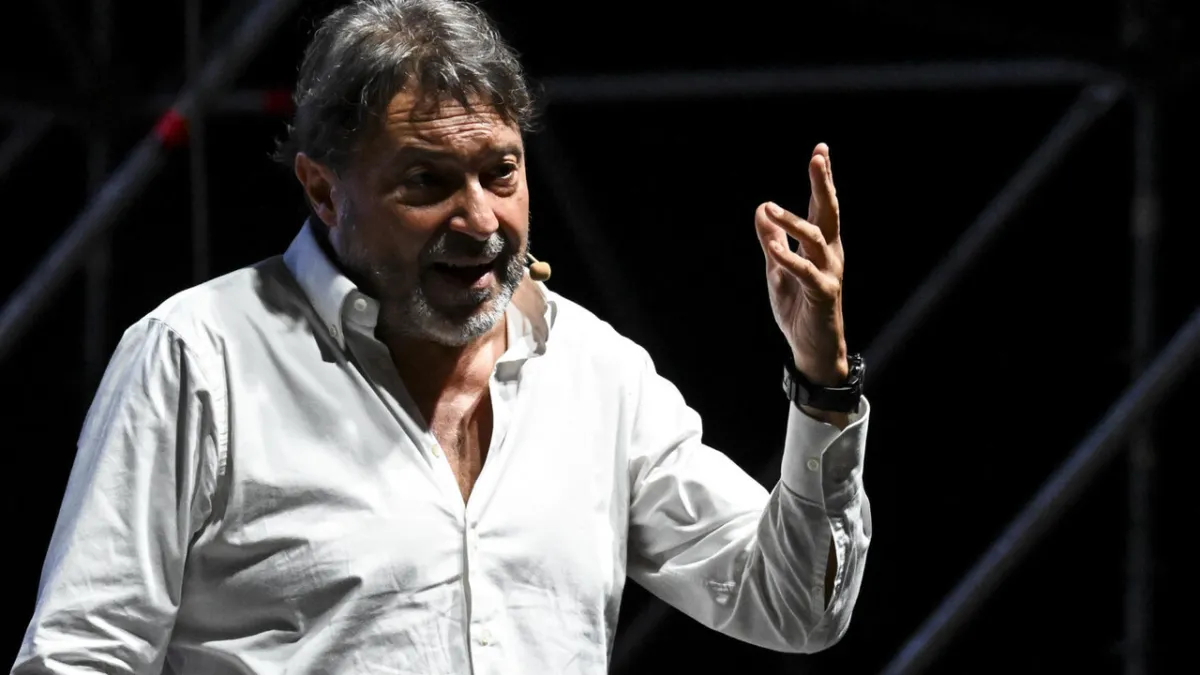
Senator Simone Pillon, a prominent advocate for family issues, welcomed the decision but also called for 'immediate daytime returns' to Palmoli. According to Pillon, any delay could negatively impact family bonds and the children's development. This statement reveals two differing views on the pace of the reunification process, although both are oriented towards the children's welfare.
The case of the 'forest' family has garnered significant public attention in Italy for some time. The parents opted to distance themselves from the hustle and bustle of modern life, raising their children in a natural environment, far from technology and perceived unnecessary social interventions. This lifestyle choice sparked intense debate concerning the definition of child welfare and the limits of state intervention.
The court endeavored to weigh the parents' desire for self-sufficiency against the children's fundamental needs for adequate education, socialization, and access to healthcare services. The decision to implement a progressive path reflects a commitment to a cautious approach, aiming to avoid further trauma for children already accustomed to a vastly different way of life.
Child psychologists and sociologists are closely observing this case. They argue that children, while perhaps content in their natural surroundings, still require broad social interaction and exposure to societal norms for optimal cognitive and emotional development. This reunification process is expected to serve as a model for handling similar cases in the future.
The steps to be taken in this progressive process will likely include:
- Psychological counseling sessions for both children and parents.
- Regular monitoring by social workers to track the children's adaptation.
- Gradual integration into formal education systems or approved alternatives.
- Fascilitation of social interaction with other children their age.
This ruling also opens further discussion on the government's role in protecting children's rights, especially when parents choose unconventional lifestyles. How does society balance individual freedoms with the collective responsibility towards future generations? These questions become increasingly relevant amid continually evolving social dynamics.
While the implementation details are yet to be finalized, this ruling establishes an important precedent in Italian jurisprudence. It demonstrates that the legal system can respond to complex social issues with comprehensive, human-centered solutions. The hope is that these three children can adapt well and find the most conducive environment for their growth and development.
Similar news concerning complex family reunification cases has emerged previously, underlining the sensitivity of child protection issues. A detailed discussion of this case can be found in the article \Historic Ruling: Forest Family Reunited, Gradually in 2026\.
Editorial Insight: This court decision represents a significant step forward in family law, acknowledging the unique nuances in child protection cases. The gradual approach reflects an understanding that forced transitions can be more detrimental than beneficial. However, pressure to accelerate the process, as voiced by Senator Pillon, highlights the tension between legal procedures and the immediate emotional needs of the children. The implementation of this ruling will be a true test for Italy's child protection system.,
excerpt: Pengadilan Italia telah memberikan lampu hijau bagi tiga anak dari keluarga yang hidup terisolasi di hutan untuk kembali ke rumah secara bertahap, menandai keputusan kemanusiaan penting.,
excerpt_en: An Italian court has given the green light for three children from a family living in forest isolation to return home gradually, marking a significant humanitarian decision.