 Angel Doris
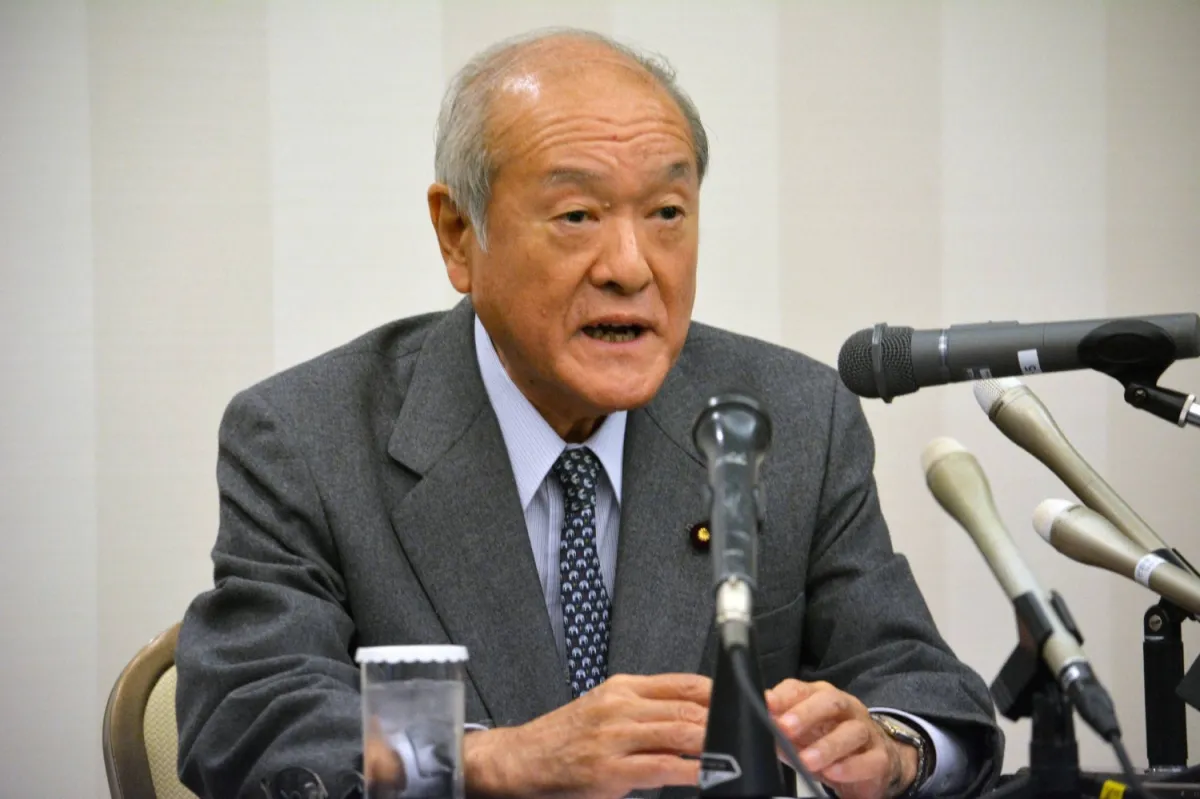
TOKYO – Japan's Education Minister, Yoshihiro Seki, faces the threat of removal from office after senior executives of the Liberal Democratic Party (LDP) hinted at his potential replacement. This indication emerged following a wave of public criticism and internal party pressure regarding alleged irregularities in political fundraising parties hosted by Seki. The incident reignites fierce debate about political ethics and financial transparency in the Japanese government.
The indirect announcement regarding Seki's fate was conveyed by an unnamed high-ranking LDP official, highlighting unease within the ruling party. The official stated that Seki's continuation in the cabinet had become a burden on the party's image, especially ahead of important political agendas in 2026.
The scandal centers on a series of fundraising events organized by Yoshihiro Seki's office. Initial reports indicate discrepancies in fund reporting, including potential receipt of contributions exceeding permitted limits or a lack of transparency regarding the sources and uses of these funds.
As Education Minister, Seki is expected to be a model of integrity. However, these allegations significantly undermine his credibility and could tarnish the reputation of the educational institutions he leads. Many have expressed disappointment over this incident.
A spokesperson for the Japanese government declined to comment directly on rumors of Seki's removal, stating only that the government will continue to monitor the situation and take necessary action according to applicable procedures. This cautious statement only strengthens speculation.
Japanese political history is often marked by similar cases, where ministers or high-ranking officials have had to resign due to public pressure or investigations related to financial ethics. This phenomenon demonstrates the high sensitivity of Japanese society to the transparency and accountability of public officials.
The Liberal Democratic Party, which has long dominated Japan's political landscape, always strives to maintain a clean image among voters. Yoshihiro Seki's case serves as a test for the party's leadership in upholding ethical standards, especially as they seek to retain public trust.
Tokyo political analyst, Professor Kenji Tanaka from Waseda University, commented, The LDP's swift action indicates an attempt to mitigate political damage. They do not want this funding scandal to spread and disrupt cabinet stability or harm preparations for next year's local elections.
Professor Tanaka added, Seki's removal, if it occurs, is not just about the individual, but also a strong message from the LDP that there is no tolerance for ethical violations, especially amid intense public scrutiny of money politics.
The Japanese Ministry of Education has launched an internal investigation to clarify the allegations against its minister. The results of this investigation will form an important basis for further political decisions regarding Yoshihiro Seki's status.
Various Japanese national media outlets have sharply highlighted the scandal, putting additional pressure on the LDP to act decisively. Investigative articles and public opinion increasingly narrow Yoshihiro Seki's room to retain his position.
The issue of campaign finance transparency has been an important reform agenda in Japan for many years. Although various strict laws and regulations exist, loopholes are sometimes still exploited, triggering similar scandals periodically.
The impact of Seki's case is not limited to his political career but could also affect the educational policy priorities currently being rolled out. Leadership uncertainty at the Ministry of Education could hinder the implementation of strategic programs.
The Japanese public, through social media platforms and online forums, shows diverse reactions, from anger to demands for full accountability. The majority agrees that public officials must adhere to ethical principles.
Editorial Insight: The scandal involving Education Minister Yoshihiro Seki is an enduring reflection of the challenges of financial transparency in modern Japanese politics. The LDP executives' hint at his removal is not merely a response to individual ethical breaches, but a strategic maneuver to protect the party's image and maintain political stability ahead of upcoming contests. This incident underscores that, despite reform efforts, money politics remains a shadow testing the integrity of Japan's democratic system. The resolution of this case will be a benchmark for the LDP's commitment to public accountability.