 Gabriella
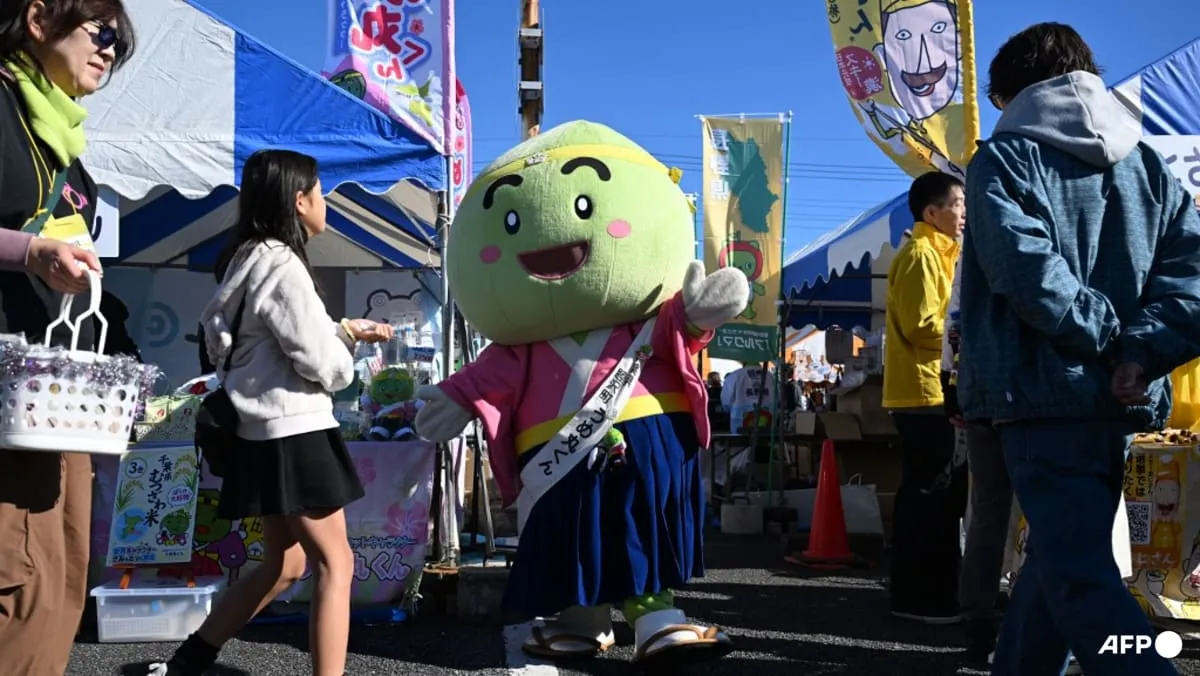
TOKYO – Japan's vibrant pop culture once again captured global attention as hundreds of popular mascot characters converged in a massive fan meetup event in Tokyo. This moment underscored the iconic status of these mascots, who are not merely promotional tools but have evolved into genuine celebrities with millions of devoted followers.
This grand event, bringing together approximately 200 mascot characters, serves as concrete evidence of the deep roots of mascot culture in the Land of the Rising Sun. For decades, mascots have been utilized for various purposes, ranging from representing government institutions like prisons and police departments, to railway companies and a diverse array of private businesses.
The presence of these mascots is more than just visual adornment. In Japan, they play a vital role in building identity, promoting regional tourism, and even boosting public morale. Each character is designed with a unique story and personality, capable of creating strong emotional bonds with the audience.
Several mascots, such as Kumamon from Kumamoto Prefecture or the energetic Funassyi, have achieved celebrity-like popularity. They maintain busy tour schedules, extensive merchandise lines, and militant fan bases willing to travel great distances just to meet their costumed idols.
The 2026 mascot gathering featured a colorful parade and direct interactions between fans and their favorite characters. Children and adults alike showed immense enthusiasm, capturing moments by taking photos and purchasing various limited-edition souvenirs.
Tanaka Riko (30), a devoted fan from Osaka, stated, I grew up with these characters. For me, they are more than just mascots; they are a part of Japan's identity. Seeing them all in one place is an unforgettable experience.
The event organizer, Akihabara Creative Agency, revealed that public enthusiasm surpassed expectations. We were surprised by the surge in visitors from various parts of the world, said Event Director, Kenji Sato. This shows that the appeal of Japanese mascots is universal.
This phenomenon also reflects the strength of Japan's creative industry in producing globally recognized characters. From global icons like Hello Kitty and Pokemon, to lesser-known local mascots, each character holds the potential to become the next sensation.
The economy surrounding the mascot industry is also significant. Merchandise sales, licensing rights, and related events generate billions of yen annually, supporting thousands of jobs and fueling regional economic growth.
The Japanese government, through the Ministry of Tourism and Culture, actively supports the promotion of mascots as part of its 'Cool Japan' strategy. This aims to project a modern and creative image of Japan on the global stage.
The popularity of mascots is not limited to physical events. In the digital realm, they maintain social media accounts with millions of followers, interact with fans, and even 'star' in animated series and games.
Editorial Insight: The Japanese mascot phenomenon extends far beyond mere marketing strategy. It is a unique manifestation of a culture that values narrative and personification in every aspect of life. The strong emotional appeal built by these characters not only solidifies Japan's position as a leader in the global character industry but also demonstrates the immense potential for exporting non-material culture that can inspire other nations. Moving forward, the role of mascots is expected to become even more integral in Japan's cultural diplomacy and creative economy, continuously innovating to adapt to digital trends and the needs of a global audience.