 Angela Stefani
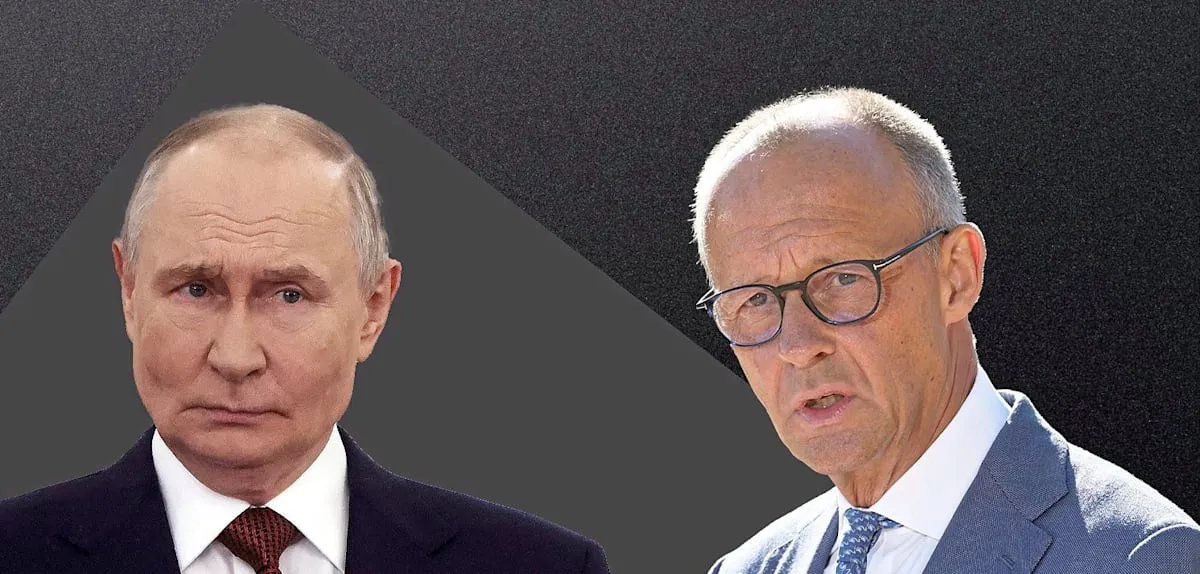
LEIPZIG – German parliamentarians are urging tougher consequences against Moscow. These demands arise after new details emerged regarding a foiled drone attack in Leipzig. The incident once again highlights Russia's shadow war tactics in Europe. Furthermore, questions have been raised about why a suspected GRU agent involved was known to authorities but not closely monitored.
The drone incident in Leipzig has become a central focus, raising serious concerns about Germany's national security and intelligence capabilities. The newly revealed details point to a planned attack with destructive potential, underscoring the urgency of reviewing the country's defense strategy.
Legislators from various political factions in Germany have explicitly voiced the need for a more aggressive response from the federal government. They emphasize that Russia's aggressive actions, including covert interventions like this, must not go unanswered. The conflict in Ukraine and increased Russian military activity on Europe's borders further strengthen these calls.
The main focus of public and political debate has now shifted to the GRU agent's presence. How an individual with a suspicious record could operate within German territory without close surveillance raises significant questions about the effectiveness of the country's counter-intelligence.
Suspicions of a Russian shadow war in Europe are not new. Various incidents, from cyberattacks to disinformation campaigns, have repeatedly been linked to Moscow's intelligence services. However, the foiled physical attack in Leipzig adds a more tangible and alarming dimension to the threat.
Calls for harsher sanctions encompass a wide spectrum, ranging from the expulsion of suspected spy-diplomats and asset freezes to a review of ongoing bilateral projects. Germany, as the largest economy in the European Union, holds a strategic position to lead such initiatives.
This incident is expected to further strain already tense German-Russian relations. Berlin is anticipated to strengthen its united stance with NATO and European Union allies to counter what they perceive as escalating aggression from the Kremlin.
Several security and intelligence experts highlight the importance of modernizing surveillance systems and improving inter-agency coordination. They argue that hybrid threats require a more integrated and proactive approach than ever before.
The German government, through the Interior Ministry and intelligence services, now faces significant public and political pressure to transparently explain this incident and take concrete steps. Accountability for surveillance failures is crucial to restoring trust.
Moving forward requires a balance between diplomatic firmness and strengthening defense capabilities. Germany must demonstrate its readiness to protect its sovereignty and citizens from all forms of threats, both overt and covert.
Editorial Insight: This incident in Leipzig is more than just a foiled attack; it is a call for heightened vigilance across Europe. The revelation of a known but unmonitored GRU agent exposes a critical gap in intelligence networks. Germany is now faced with a dilemma: how to respond to aggression without triggering broader escalation, while simultaneously ensuring robust national defense. This challenge will require high-level coordination among allies and a comprehensive review of national security doctrines in an increasingly unstable geopolitical landscape.