 Angela Stefani
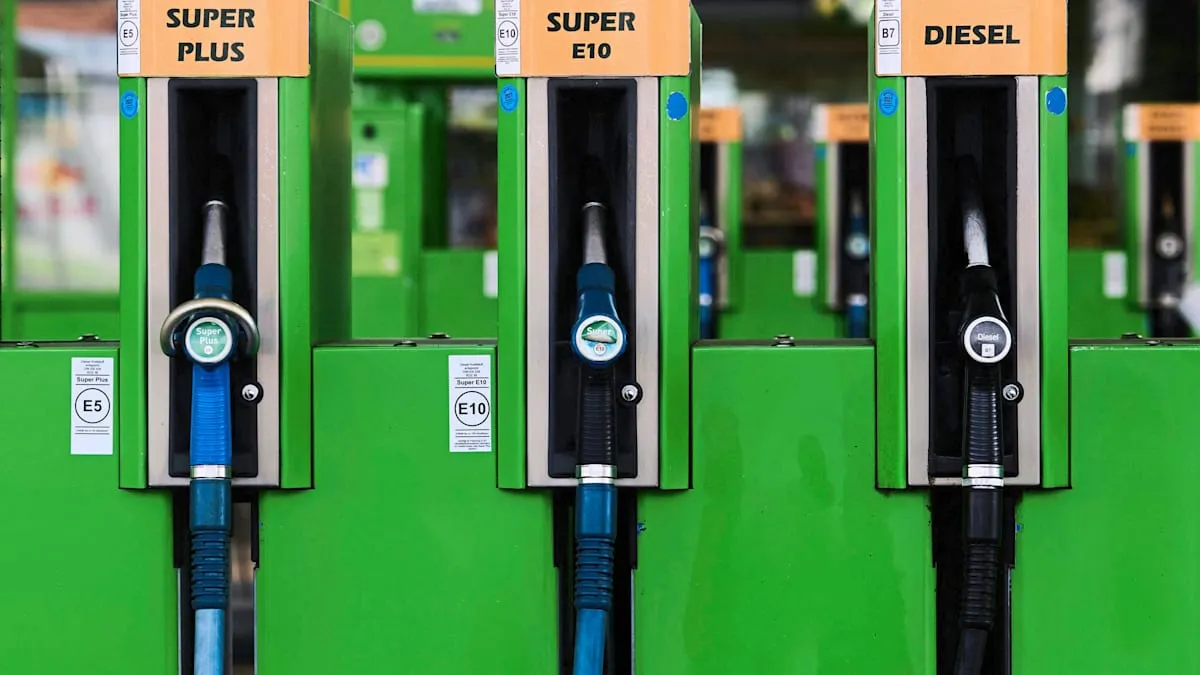
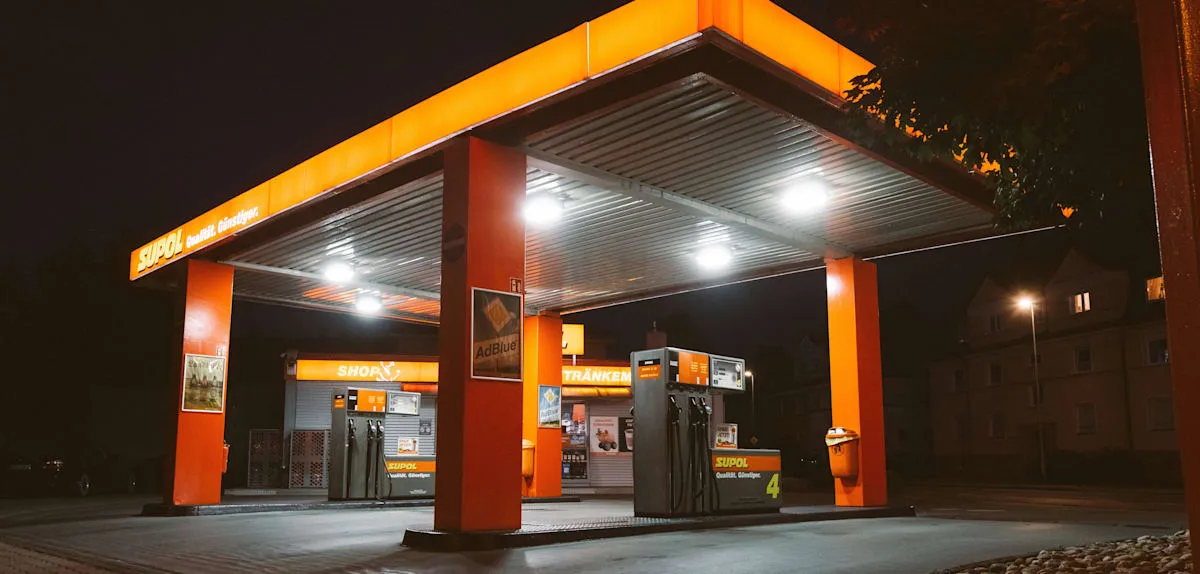
BERLIN – The German Federal Government has announced an ambitious plan to reduce the energy tax on fuel by 17 cents per liter, effective immediately. This policy will be followed by the implementation of a gasoline price cap starting in January 2027, as part of efforts to mitigate rising living costs. The aid package, totaling 2.5 billion euros, immediately drew a wave of criticism from economists and consumer advocates, who labeled it a 'watering can policy' due to its perceived inefficiency and lack of targeted approach.
This strategic step aims to ease inflationary pressures that continue to burden households and industrial sectors across Germany. The tax reduction is expected to provide short-term financial relief for millions of motorists and businesses dependent on transportation.
Specifically, the 17-cent per liter energy tax reduction is part of the government's effort to directly lower vehicle operating costs. Consequently, daily transportation expenses for the public are expected to decrease, although its overall impact remains a subject of intense debate among experts.
Concurrently, the establishment of a gasoline price cap, set to take effect in early 2027, demonstrates the government's commitment to maintaining long-term energy price stability. This 'price ceiling' mechanism is designed to prevent extreme price spikes, offering certainty to consumers.
However, not all parties have welcomed this policy. Economists and consumer protection organizations have voiced serious concerns. They argue that the 'watering can policy' is an ineffective approach, distributing aid indiscriminately without considering individual income levels or economic conditions.
Dr. Klaus Richter, a prominent economist from the University of Munich, stated, 'This is like watering plants with a fire hose. The aid provided is untargeted and has the potential to lead to significant waste of state funds.' According to him, energy subsidies should be more focused on low-income groups or the most affected industrial sectors.
Another major criticism is the potential for market distortions that may arise from price intervention. A gasoline price cap, while well-intentioned, could reduce incentives for companies to invest in energy efficiency or foster market dependence on government subsidies.
In a broader context, Germany's energy policy comes amidst global energy market turmoil, where many European countries are also grappling with a cost-of-living crisis. The German government is striving to balance public support with fiscal sustainability.
Similar measures to address the energy crisis have been adopted by several European Union countries, but their effectiveness has varied. For example, France has also faced significant challenges related to energy supply and prices, prompting the Macron administration to seek solutions at the G7 level.
Political observers anticipate that this policy will become a crucial point in upcoming budget and electoral debates. Germany's economic performance and public support for the ruling coalition will heavily depend on how these measures are implemented and received by the populace.
Editorial Insight: The German government's decision to cut fuel taxes and impose a price cap reflects an aggressive attempt to mitigate the cost-of-living crisis. However, criticisms regarding the efficiency and targeting of this 'watering can policy' cannot be ignored. The real challenge lies in how the government can distribute aid more strategically without unduly burdening the budget or creating market distortions, while maintaining a balance between populism and sound economic principles.