 Angela Stefani
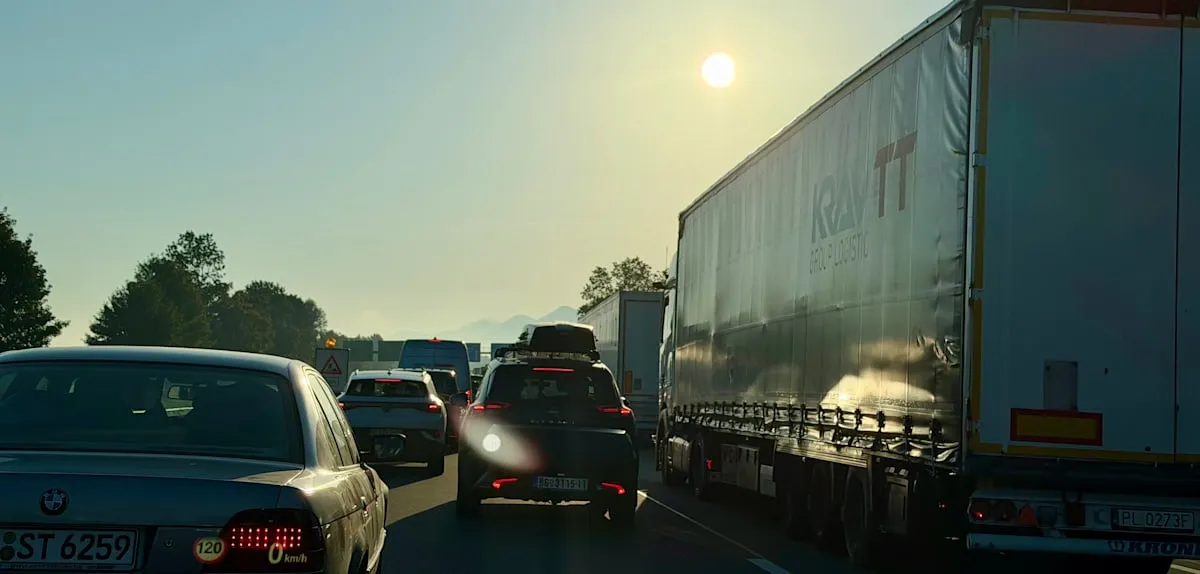
MUNICH – Chronic traffic congestion has choked a vital route from Bavaria, Germany, to Austria for years. The situation has now reached a critical juncture, igniting fierce debate between the government, road users, and environmental groups over accelerating massive road infrastructure projects. This strategic route, essential for southern German and European connectivity, faces stagnation due to prolonged construction work.
This corridor serves as the backbone for tourism, connecting German travelers to ski and holiday destinations in the Alps, and also as a crucial logistics artery supporting cross-border trade. The impact of congestion has been widely felt, not only by daily commuters but also by the transport industry reliant on smooth goods flow.
Ongoing road infrastructure development and expansion projects aim to address inadequate road capacity, a problem that has worsened with increasing vehicle volumes. However, the progress of these works has been slow, adding to the frustration among the public and economic actors.
Now, congestion is no longer confined to the main routes. Alternative routes or shortcuts, initially hoped to be temporary solutions, are also overwhelmed and now experiencing severe congestion. This indicates that the traffic problem in this region has expanded and become more complex than initially anticipated.
The most heated debate centers on a proposal to allow night work at construction sites. Proponents of this measure argue that night work would significantly accelerate project completion, reduce the duration of congestion, and restore smooth traffic flow as quickly as possible.
However, this proposal faces strong resistance from various environmental associations. They voice serious concerns about the negative impacts of night work, including increased noise disturbing wildlife and local residents, as well as broader potential ecological disruptions.
A spokesperson from a local environmental organization stated, We must balance the need for infrastructure with our responsibility towards the environment. Project acceleration must not sacrifice quality of life and natural preservation. This statement reflects the deep dilemma faced by authorities.
On the other hand, representatives from local chambers of commerce highlight the economic losses due to this congestion. Every hour wasted on the road means a loss of productivity, increased operational costs, and pressure on supply chains. A rapid solution is desperately needed to maintain the economic competitiveness of this region, they remarked.
This situation presents a major challenge for local and federal governments in Germany to find common ground. A solution must be able to balance the urgent demands for accelerated infrastructure development with valid concerns regarding environmental and social impacts.
The debate over the project work schedule is not just about construction efficiency, but also about the long-term development vision for southern Germany. It involves difficult compromises and potentially innovations in construction methods to minimize disruption.
Several options are being considered to ease tensions, including more advanced noise reduction technologies for night work or more strategic project rescheduling. However, no final agreement has yet been reached.
In 2026, the traffic conundrum on this vital route to Austria remains one of Germany's most pressing development issues. Society and stakeholders hope for concrete solutions that not only accelerate project completion but also consider sustainability aspects holistically.
Editorial Insight: The dilemma facing southern Germany reflects a global challenge in balancing economic growth and infrastructure needs with environmental preservation. The government's credibility in addressing this crisis will be tested by its ability to formulate inclusive, transparent, and sustainable policies. The rejection of night work by environmental groups is a strong signal that development can no longer proceed without considering ecological consequences. An innovative compromise or even a revision of long-term strategies may be necessary to ensure both economic growth and environmental quality are maintained.