 Gabriella
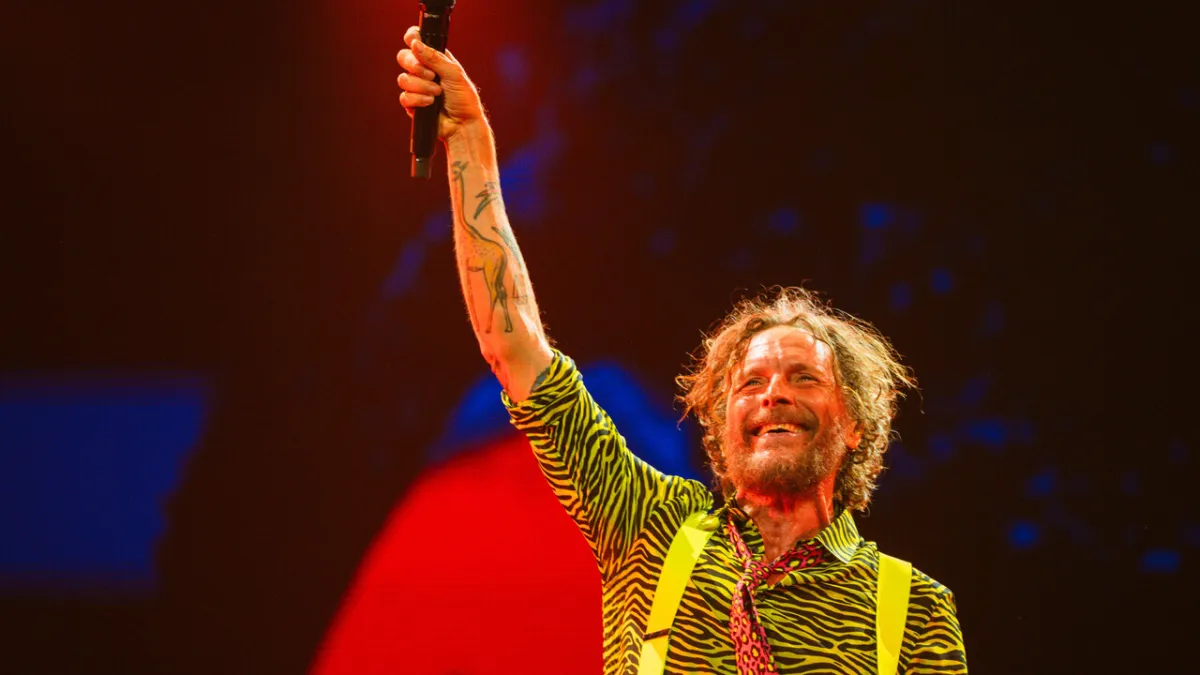
ROME – Legendary Italian musician Jovanotti marks his 60th birthday this year with a sharp reflection on the global music industry landscape. He openly expresses his unease about shifting priorities, where large stages seem to be the sole measure of success, overshadowing the very essence of music before sales figures and stadium tickets.
“I feel this 60th year in the context of a changing world,” Jovanotti stated, referring to the rapid dynamics in the music scene. “Especially in genres like hip hop that now more often flaunt luxury goods than advocate for fundamental rights.”
This statement is not merely a personal lament but a critique of excessive commercialization. Jovanotti highlights how pop culture, particularly modern hip hop, often falls into the trap of materialism, losing its initial spirit that frequently voiced social issues and resistance.
For an artist who has worked for decades, this industry evolution presents a dilemma. The fundamental question is, does the resonance of melodies remain the core, or is the roar of the crowd in stadiums now prioritized? Jovanotti emphasizes that music should transcend statistics and profits.
Jovanotti's own career, starting in the 1980s, has always been known for its adaptability without losing its identity. He has traversed various genres, from rap, pop, to world music, while consistently delivering positive messages and a spirit of freedom. This contrasts with the trends he criticizes.
Jovanotti's stance is reminiscent of previous generations of Italian musicians who dedicated themselves to profound lyrics and strong messages. For example, Guccini, a legend of Italian music, whose works were always known for deep meaning and social critique, a legacy that now feels rare amidst the onslaught of fleeting trends.
The pressure to achieve “stadium” scale creates a cycle where musicians and labels race for numbers, sometimes sacrificing artistic quality or lyrical depth. This forms an ecosystem that may be less inclusive for artists who choose an independent or more experimental path.
Jovanotti implies that amidst the hustle and bustle of giant stages and camera flashes, it is crucial to remember why music was first created: as an expression of the soul, as a medium for storytelling, and as an emotional bridge between artist and listener, not merely a commodity.
His comments are relevant in 2026, as the entertainment industry becomes increasingly digitized and metrics reign supreme. Algorithms and virality often outweigh artistic value, pushing many creators to conform to mass market tastes rather than follow their inner calling.
Ultimately, Jovanotti's message is a moral call to the music industry. He invites artists, producers, and music lovers to reflect on the authentic values that should be its foundation, so that music remains an inspiring force, not just a traded product.
Editorial Insight: Jovanotti's statement is not merely the nostalgia of a veteran musician; it is a crucial warning. In an era of hyper-commercialization and data-driven metrics, great artists like Jovanotti remind us that the sustainability of art lies in the depth of its message and originality, not solely in audience capacity or download figures. This serves as a call to the entire music ecosystem to balance commercial ambitions with artistic integrity for a more meaningful cultural legacy in the future.