 Dodi Irawan
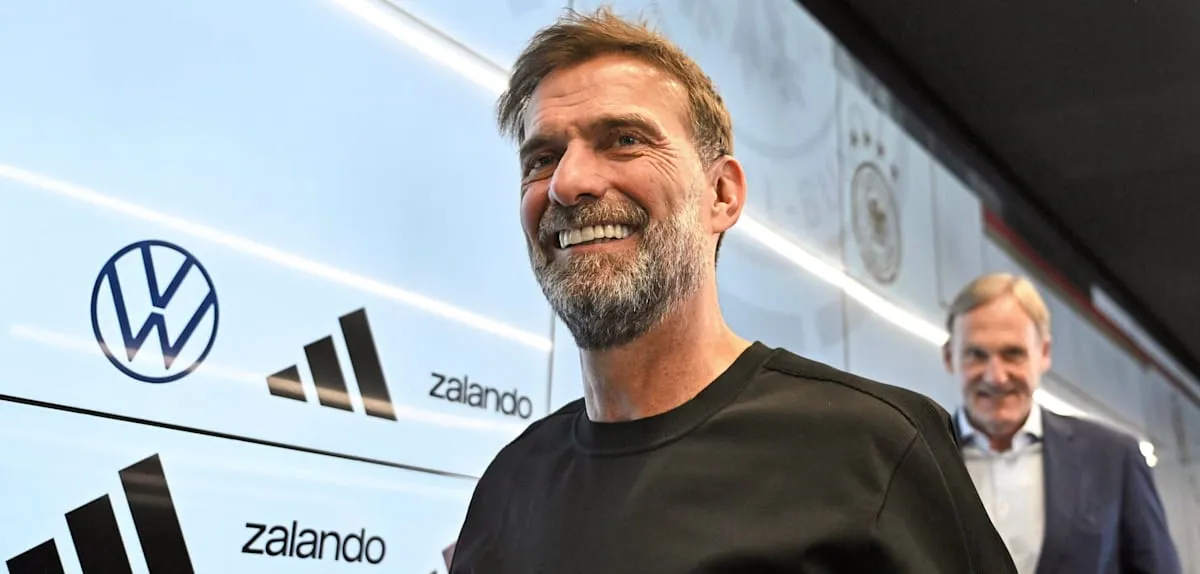
BERLIN — Jürgen Klopp's appointment as the head coach of the German national football team, or Bundestrainer, in early 2026 has ignited a fierce debate within the national football scene. This charismatic figure was met with immense enthusiasm, particularly by legends such as Lothar Matthäus, who praised Klopp's strategic vision and personnel choices. However, beneath the euphoria, dissenting voices have emerged, scrutinizing some of Klopp's initial decisions.
Lothar Matthäus, a German football icon and former national team captain, openly declared his full support for Klopp. "Jürgen has an undisputed track record of building teams with strong identities," Matthäus stated in an exclusive interview. He specifically lauded Klopp's courage in overhauling the coaching structure and support staff, which were considered stagnant for too long. Klopp's selection of new assistants and a data analysis team was deemed a progressive step by Matthäus.
Klopp, known for his Gegenpressing style, is believed to bring a fresh and aggressive playing philosophy to the Die Mannschaft squad. Since officially taking office, he has immediately implemented several fundamental changes. One notable move is prioritizing talented young players from the Bundesliga, providing broader opportunities for a new generation to shine on the international stage. This forms part of his long-term vision to regenerate the national team following subpar performances in previous tournaments.
Nevertheless, not all parties agree with Klopp's initial actions. Several pundits and former players have expressed concerns regarding the sidelining of some senior names who are still believed to offer significant contributions. Criticism also arose concerning the composition of the support staff, which some deemed too homogenous or lacking proven capability at the national team level.
"While a vision for change is good, stability and experience are also crucial for the national team," commented a prominent football critic. He added that public expectations are very high, and every decision Klopp makes will constantly be under intense scrutiny. The weight of history and the pressure to reclaim glory demand Klopp to be not only innovative but also pragmatic.
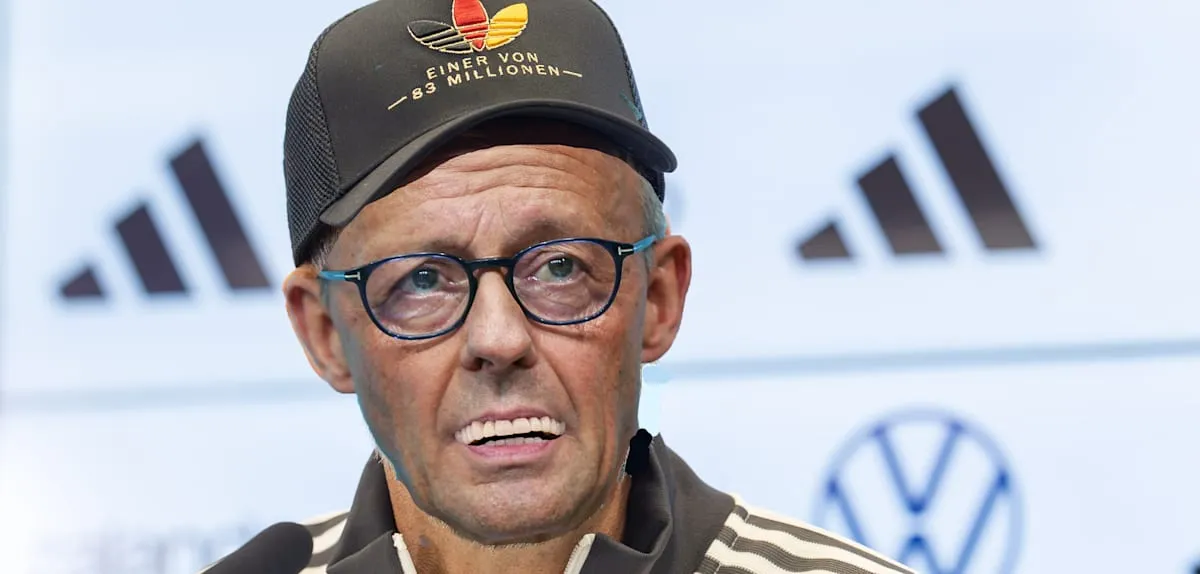
The debate surrounding Klopp's choices reflects the complex dynamics in German football, where tradition often confronts the need for modernization. The German Football Association (DFB) itself has shown full support for Klopp, hoping he can restore public confidence and the team's performance. The DFB CEO, at a press conference, affirmed that significant changes were indeed necessary.
On several occasions, Klopp has articulated his long-term vision for Germany, focusing not only on winning but also on developing a clear and attractive playing identity. He emphasizes the importance of teamwork, intensity, and a winning mentality. The process of adapting to this new philosophy will undoubtedly require time, yet the demand for immediate results is a reality he must confront.
Players, according to internal reports, have shown a positive response to Klopp's arrival. The 59-year-old coach's leadership aura and charisma are said to have injected new spirit. The inaugural training sessions at the DFB national training center in Frankfurt were filled with enthusiasm, although players are aware that this new era will be replete with physical and tactical challenges.
Looking at the broader context, this effort to rebuild the German national team can also be seen as part of the country's general sports and cultural development. Support for young talent across various fields, including sports, remains a key focus for the German government and society.
The German public now waits with both anticipation and a degree of apprehension to see how the "Klopp era" will unfold on the pitch. The initial friendly matches early next year will serve as the first test for the implementation of the Bundestrainer's vision and strategy. The results of these early matches will likely shape the direction of public debate and perception of his leadership.
This is a crucial period for German football. Hopes of reclaiming international dominance are high, and all eyes are on Jürgen Klopp, the new architect who now holds full control over the destiny of Die Mannschaft. His decisions will continue to be a hot topic of discussion, both in stadium stands and among football pundits.