 Chandra Wijayanto
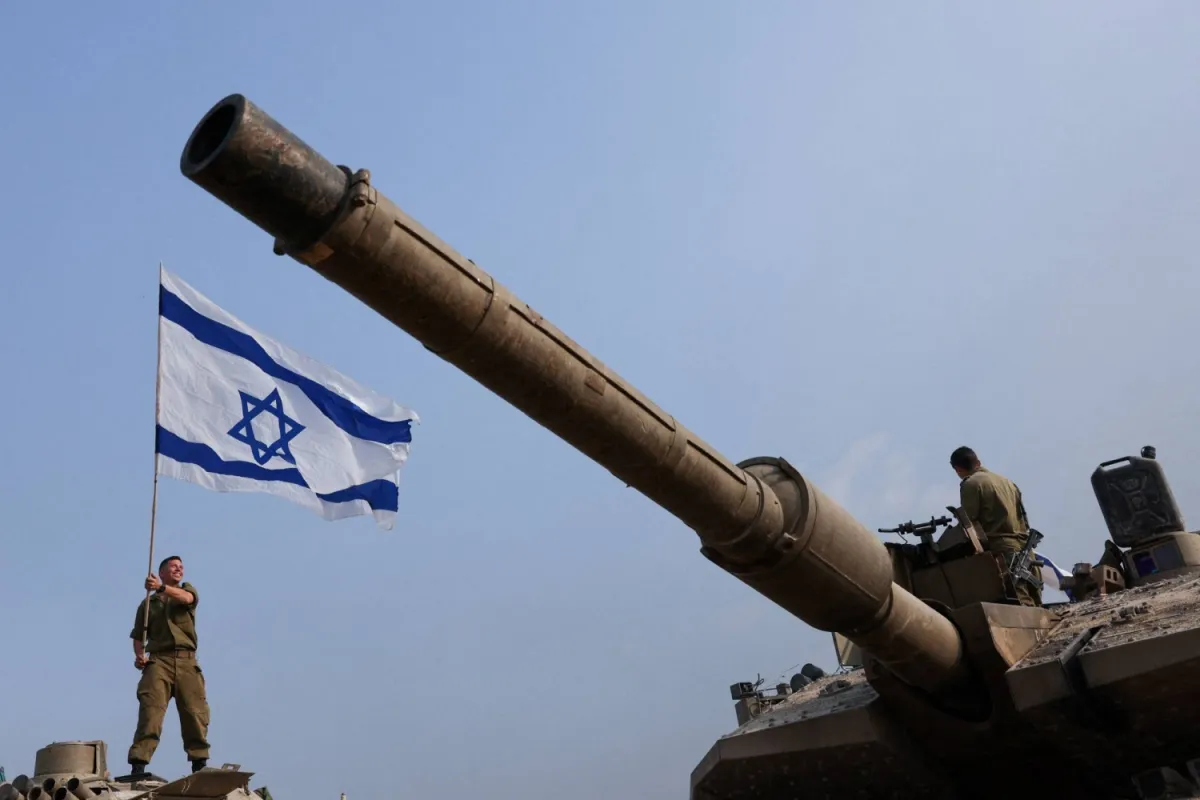
JERUSALEM – The escalation of the conflict between Israel and Palestine since the First Intifada in 1987 has consistently triggered waves of economic recession, a concerning pattern that once again casts a shadow over global growth prospects in 2026. The ongoing violence not only destroys lives but also undermines the fundamental economic stability of the region and globally, creating deep uncertainty for markets and investors.
Historical patterns indicate that every major escalation in the conflict correlates directly with significant declines in economic indicators. This phenomenon is not merely a coincidence but a result of massive disruptions to trade activities, investment, and essential regional stability.
Economic analysts note that heightened geopolitical tensions in the region directly hinder the flow of foreign capital. Investors tend to withdraw investments from areas deemed high-risk, slowing down infrastructure development projects and reducing job creation in both Israel and Palestine.
The impact is not limited to the two conflicting entities. Neighboring countries also experience a domino effect, particularly through disruptions to regional supply chains and a decline in the vital tourism sector. Security is an absolute prerequisite for the tourism industry, and chronic instability erodes the appeal of these destinations for international tourists.
From a macroeconomic perspective, increased military spending by the parties involved significantly burdens national budgets. Funds that could otherwise be allocated to social development or productive investments are instead absorbed by defense needs, creating budget deficits that could potentially fuel inflation.
In the global context of 2026, the conflict's impact extends through rising prices of strategic commodities, especially oil. The world's reliance on oil supplies from the Middle East makes the region a vulnerable point for global energy stability, and any turmoil can trigger an energy crisis leading to price surges across all sectors. This issue is relevant to the debate on boiling inflation and aggressive Fed signals that are now a concern for central banks worldwide.
These energy price fluctuations, in turn, trigger inflationary pressures in various countries, forcing central banks to consider stricter monetary policies. This can impede global economic growth, which is already struggling to recover from previous challenges, as seen in Japan's efforts to maintain economic growth amidst inflation targets.
The political uncertainty caused by the conflict also creates an unconducive environment for international trade. Multinational companies may postpone expansion or even withdraw from markets deemed too volatile, reducing the volume of cross-border trade and investment.
Furthermore, the humanitarian crises that often accompany the conflict necessitate large allocations of international aid. While essential, this aid is often reactive and does not fully address the root of long-term economic problems, which is the need for sustainable development.
The current geopolitical environment, with various other global challenges, makes the impact of the Israel-Palestine conflict even more crucial. The foreign policy of superpowers like the United States under President Donald Trump continues to monitor this situation, and the fierce struggle over US foreign policy after the 2026 midterm elections could have significant implications.
In the long term, this conflict destroys the potential for sustainable economic development on both sides. A lack of stability hinders investment in education, technology, and critical infrastructure needed for long-term prosperity.
Without a comprehensive and lasting political resolution, the cycle of recession triggered by this conflict is expected to continue. True economic stability can only be achieved through a just and lasting peace, not merely temporary pauses in violence.
Editorial Insight: The historical pattern of recessions linked to the Israel-Palestine conflict offers a crucial lesson about the interconnectedness of political stability and global economic health. In 2026, amidst global economic uncertainties, any escalation in the Middle East has the potential to trigger a broader domino effect, stressing markets, fueling inflation, and testing the resilience of the global economy. A long-term solution is not only a humanitarian imperative but also an economic necessity to prevent recurring financial losses.