 Angel Doris
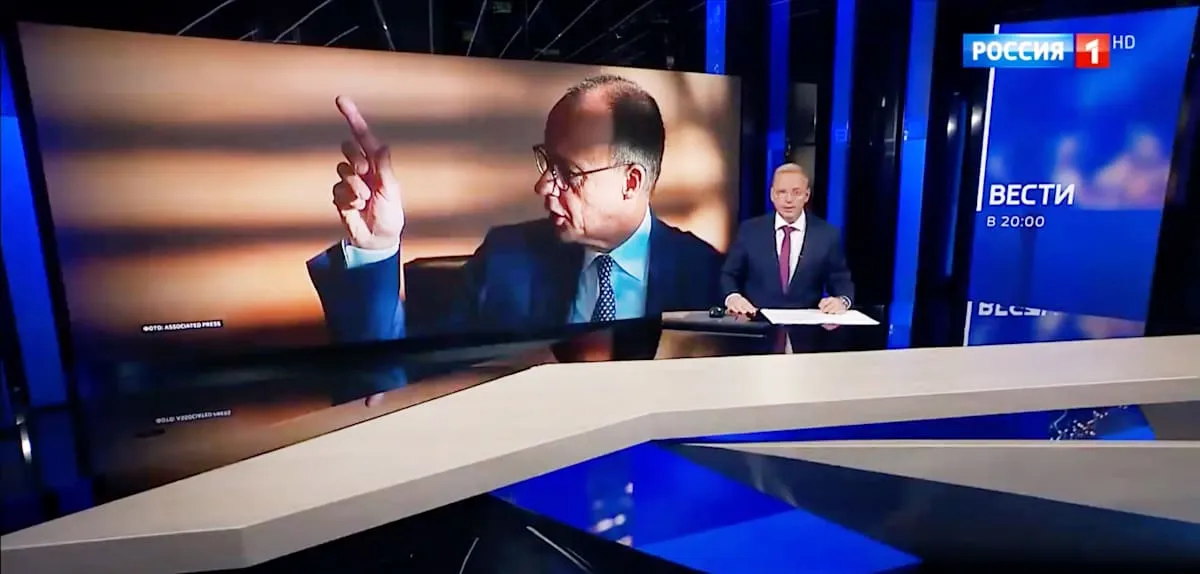
BERLIN – The Kremlin has drastically escalated its anti-German rhetoric in early 2026, accusing the federal government in Berlin of being neo-Nazi and even explicitly naming the German capital as a possible military target. This propaganda offensive, broadcast through official Russian channels, overtly links Berlin's current policies with Nazi Germany's aggression against Poland, sparking serious concerns about a geopolitical conflict escalation in Europe.
Russian propaganda consistently employs historical narratives to justify its actions. However, the shift in focus from the anniversary of the Nazi invasion of Poland to the current German government signals an alarming increase in aggression.
These statements are not mere empty rhetoric; they reflect the Kremlin's strategy to create polarization, undermine Germany's international reputation, and potentially test the patience of the Western alliance.
Observers suggest that labeling a democratic European government neo-Nazi is a dangerous attempt at delegitimization, reminiscent of Cold War tactics. This could trigger a strong response from the European Union and NATO.
Germany, through its Foreign Ministry, has previously strongly condemned such narratives. The charade is over, the enemy is now open, was Berlin's stern statement in response to similar accusations. Germany Strongly Condemns Russia: 'The Charade is Over', The Enemy is Now Open.
Historians and political analysts in Europe strongly denounce the historical revisionism carried out by the Kremlin. They argue that this narrative distorts the facts of Nazi Germany's invasion to justify Russia's aggressive actions on the global stage.
The threat of making Berlin a military target is an extremely dangerous turning point. This is no longer just a war of words but a potential indication of further escalation.
The Western alliance, particularly NATO and the European Union, is now under pressure to formulate a firm response. Discussions on enhancing air defense and readiness to face Russian hybrid threats have become top priorities. EU-NATO Firm: Moscow Under Pressure, Ukraine Urges Interceptors Post-Leipzig and Europe on High Alert: Russia's Hybrid Threats Shake Stability, Kremlin Assets Targeted.
These escalating tensions also affect diplomatic and economic relations. Moscow has previously summoned German diplomats, and Europe is preparing for new sanctions in response to the provocations. Moscow Summons German Diplomat: Europe Prepares for New Sanctions.
Within Germany, this rhetoric could be exploited by certain groups to stir domestic political unrest, although most of the political spectrum strongly condemns the Kremlin's narrative. This issue has not significantly shaken support for established parties. Russian Terror Accusations Don't Shake AfD in East Germany, Why?.
Some analysts draw parallels with the Cold War period, when ideological propaganda was a primary weapon. However, direct military threats against a Western European capital mark a much more dangerous escalation.
This situation demands high vigilance from the international community and a coordinated response to prevent an uncontrollable spiral of conflict. European stability hinges on a prudent resolution to this rhetorical crisis.
Editorial Insight: The Kremlin's escalating rhetoric against Germany, particularly with neo-Nazi accusations and military threats, is a deliberate strategy to divide Europe and test NATO's cohesion. This move, amidst heightened geopolitical tensions, risks provoking a strong backlash from the West, increasing the likelihood of incidents and prolonging instability in the region. It is crucial for Germany and its allies not to be provoked, yet to demonstrate credible defensive readiness.