 Edward DP Situmorang

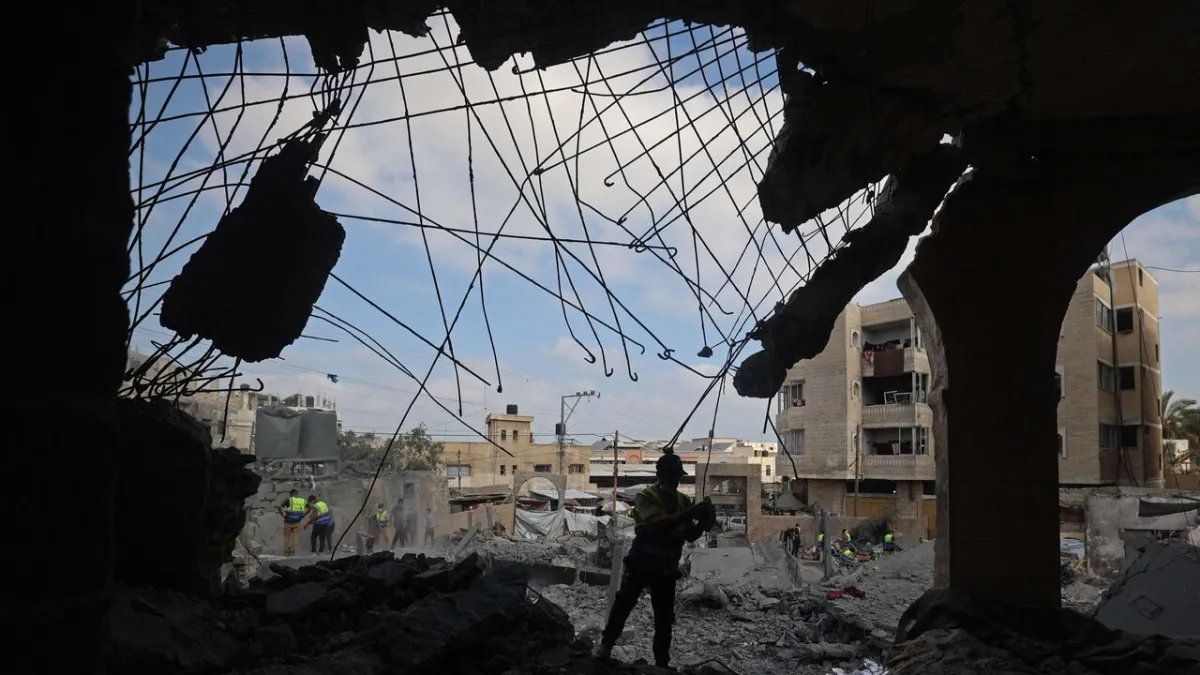
MANAMA – The Gulf region is once again in turmoil following Iran's claim of a successful attack on a United States military base in Bahrain recently. This incident, occurring amidst escalating geopolitical tensions, was accompanied by reports from Riyadh that Saudi Arabia successfully intercepted missiles targeting its capital, sparking fears of a broader conflict escalation in the Middle East.
Statements from Tehran affirm that the attack serves as a response to perceived provocative actions in the region. Although specific details regarding damage or casualties have not been officially disclosed by the US or Bahrain, Iran's claim directly adds to the long list of security incidents in the world's vital shipping lanes.
The US naval base in Bahrain, home to the United States Fifth Fleet, plays a strategic role in maintaining maritime stability and security in the Gulf region. This claimed attack by Iran, if verified, would mark a significant escalation in direct confrontation against US military assets.
Almost simultaneously, the Saudi Arabian Air Defense Authority reported that its missile defense systems successfully neutralized threats directed towards Riyadh. This intercepted missile attack, though not explicitly linked directly to Iran's claim, suggests a pattern of coordinated attacks or leveraging moments of regional tension.
These dual incidents have instantly exacerbated the already fragile security situation in the Middle East. Foreign policy analysts observe that such attack patterns have the potential to trigger a chain reaction from regional and global powers, especially the United States, which has significant interests in the area.
The United States government, through a State Department spokesperson, has stated it will thoroughly investigate Iran's claims. Any attack on our personnel or military assets will be met with a firm and proportionate response, stated an unnamed official, indicating Washington's seriousness.
Various allied nations in the Gulf region and Europe have called for restraint from all parties. The UN has also urged de-escalation and called for dialogue to alleviate mounting tensions.
Tensions between Iran and the United States, along with its regional allies such as Saudi Arabia, have persisted for decades. Iran's nuclear program, economic sanctions, and proxy conflicts in Yemen and Iraq form the complex backdrop for these latest incidents.
Escalation in the Gulf not only impacts regional security but also has the potential to shake global energy markets and supply chains. The vital Strait of Hormuz shipping lane hangs on the brink of uncertainty.
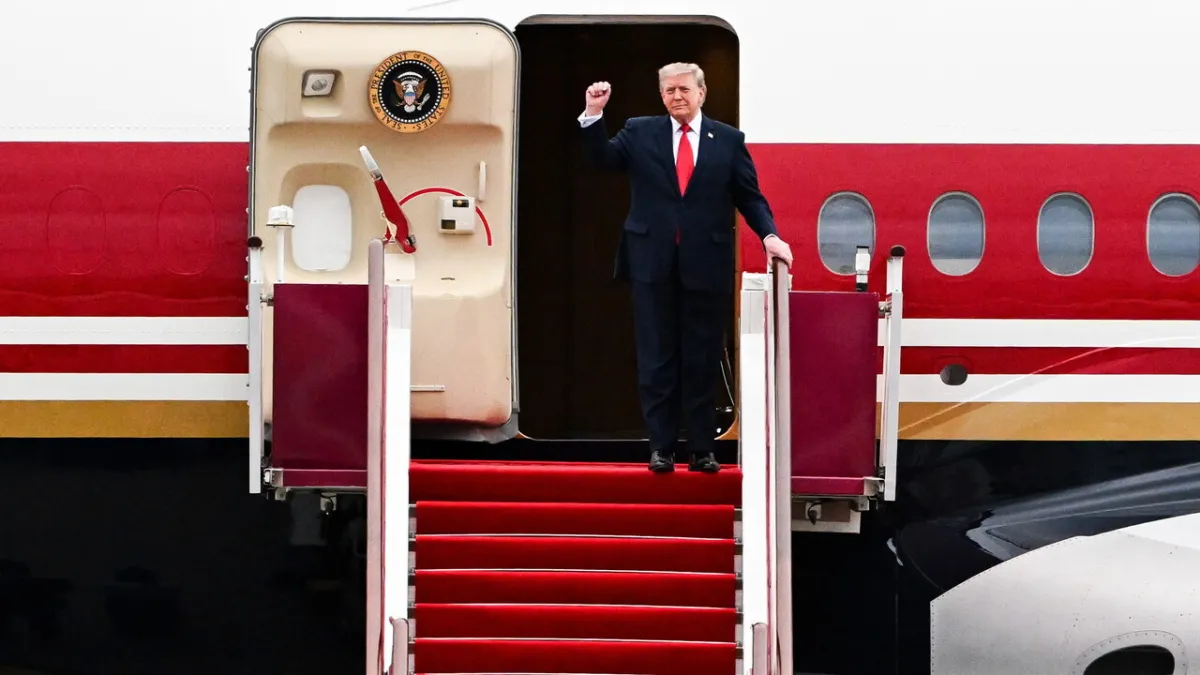
Editorial Insight: The incidents in Bahrain and Riyadh are not merely sporadic attacks but clear signals of a heating proxy conflict turning into a more open confrontation. President Donald Trump's foreign policy towards Iran will be tested, and Washington's response will determine whether the region plunges into a deeper cycle of violence or successfully finds a path to de-escalation. Vigilance across all strategic points, as also highlighted in the article Bahrain Tingkatkan Kewaspadaan: Klaim Iran Serang Pangkalan AS Picu Krisis Baru, becomes crucial in facing this new chapter of geopolitical uncertainty.