 Dorry Archiles
GERMANY — The unemployment rate in Germany surged significantly in July, surpassing the psychological threshold of three million people. Recent data indicates that the number of job seekers increased by 71,000 compared to the previous month, reaching a total of 3.007 million individuals without employment.
This spike underscores the severe pressure on Europe's largest economy, which is now grappling with various global and domestic macroeconomic challenges. Labor market analysts describe this figure as a grim indicator for the prospects of economic recovery amidst global uncertainties.
The rise in unemployment occurred across various industrial sectors, reflecting slowing economic growth and companies' inability to retain or recruit new workers. The manufacturing sector, the backbone of the German economy, is reported to be among the most affected.
The German government has expressed deep concern over this trend. Labor Minister Hubertus Heil, in a virtual press conference, stated that the situation demands swift and coordinated policy responses to prevent a recessionary spiral.
Germany's economy, previously known for its resilience, began showing signs of slowdown since late last year. High inflation, the energy crisis, and global supply chain disruptions have burdened industrial competitiveness and drastically reduced consumer spending.
Previously, other reports also highlighted this economic vulnerability, such as in major cities. An article titled “Germany's Economy Falters: Hamburg Faces 8.5 Percent Unemployment Surge” has already illustrated similar regional situations.
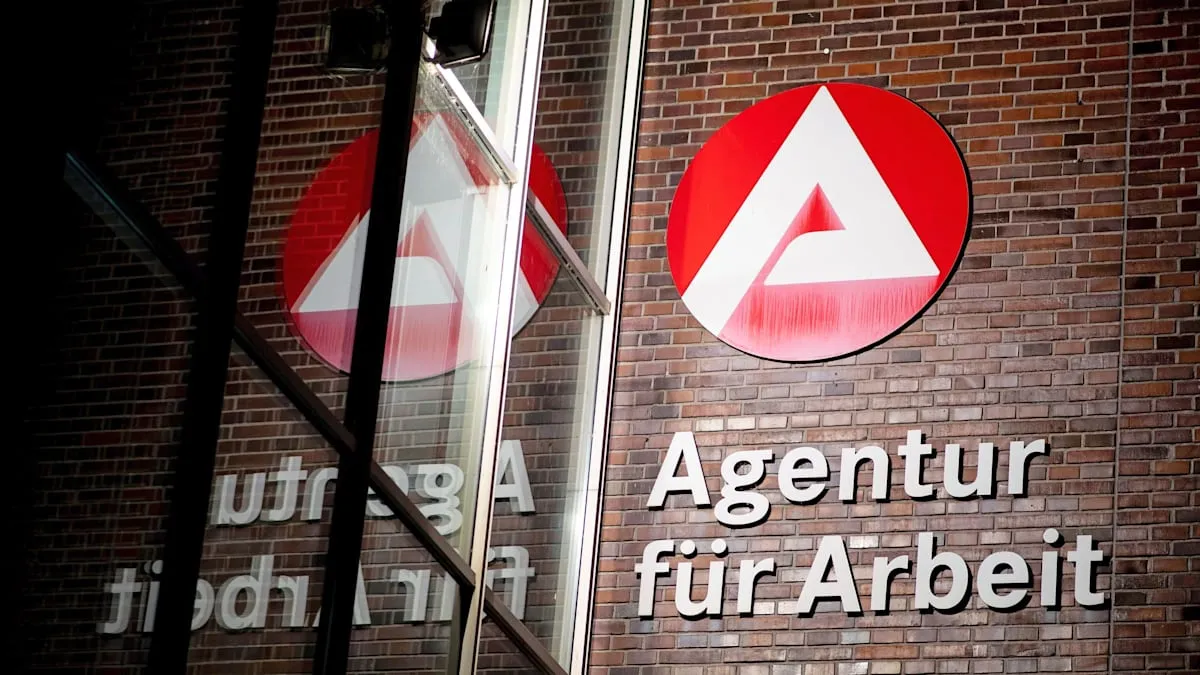
Data from the Federal Employment Agency (BA) revealed that the national unemployment rate now stands at 6.5 percent. This figure represents a 0.2 percentage point increase from June and is the highest in nearly two years.
Employers and trade unions are urging the government to take concrete steps immediately, including fiscal incentives and reskilling programs, to support the increasingly fragile labor market.
They hope for cross-ministerial collaboration to ensure that implemented programs are more effective. Economists also warn that without significant intervention, this labor crisis could exacerbate the housing crisis and trigger social instability.
This situation adds to the long list of challenges faced by Chancellor Olaf Scholz and his cabinet. Political pressure to find economic solutions is intensifying, especially given crucial issues such as the national budget, which was previously discussed in the article “German Housing Crisis: Merz Urged to Cancel National Budget Austerity”.
Several international economic experts predict that Germany might face a technical recession if this trend continues into the third quarter. The domino effect of Germany's economic slowdown has the potential to spread to other European Union countries, given its central position in the regional economy.
European monetary authorities are also closely monitoring these developments. Interest rate policies and stimulus measures may be reconsidered if German economic data continues to worsen and shows signs of deeper stagnation.
Debates on structural reforms in Germany have re-emerged. Some parties call for labor market deregulation and greater investment in digital infrastructure to boost productivity and create new jobs in the future.
However, trade unions oppose measures deemed detrimental to workers' rights and demand stronger social protection amidst economic turmoil. Dialogue between the government, employers, and trade unions is expected to find constructive common ground. Despite these challenges, the government remains committed to supporting its citizens through social assistance programs and job training relevant to market needs.
Great hopes are now placed on the economic policy package currently being drafted, aiming to mitigate negative impacts and foster growth. The main focus is on innovative and green sectors, which are expected to become new job creation drivers.