 Chris Robert
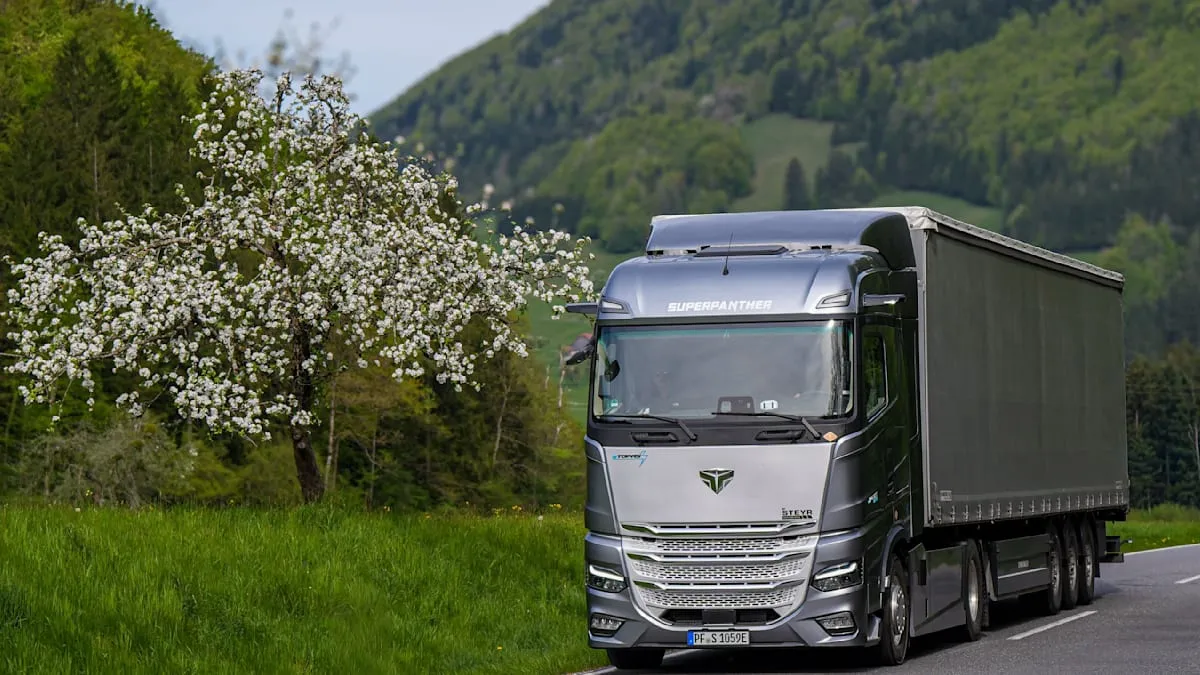
BERLIN – The heated debate over lifting the Sunday driving ban for trucks has reignited in Germany in 2026, highlighting crucial challenges in national logistics efficiency. Dirk Engelhardt, Board Spokesman for the German Association of Freight Transport, Logistics, and Waste Management, supports the proposal but expresses profound skepticism, stating that this solution “is by no means the complete solution” to the complexities of the supply chain.
Engelhardt explicitly illustrated the disparity between transport modes, noting that “we would need 40 trucks to compensate for a small inland vessel.” This statement forms the core argument about Germany's reliance on road transport, which is often less efficient than waterways, especially when dealing with massive volumes of goods.
The Sunday driving ban for trucks has been an integral part of German transport policy for decades. This policy aims to reduce noise, emissions, and traffic congestion, as well as to ensure rest days for drivers and tranquility for citizens during weekends. However, amidst global economic pressures and the demand for increasingly rapid supply chains, the effectiveness of this ban is being questioned.
Proponents of lifting the ban argue that greater operational flexibility for trucks would significantly boost the flow of goods, reduce delays, and lower operational costs for logistics companies and industries. Vital sectors such as retail, manufacturing, and food supply heavily rely on timely deliveries, which are often hampered by these operational restrictions.
Engelhardt's skepticism underscores that Germany's logistics problems are more fundamental than just the Sunday ban. He emphasizes the need for holistic solutions that include massive investment in multimodal transport infrastructure, optimization of rail and inland waterway usage, and digitization of the supply chain. Without a comprehensive approach, lifting the ban will only be a temporary patch on a deeper wound.
The German government under Chancellor Olaf Scholz faces a delicate dilemma: balancing industry demands for efficiency with public concerns regarding environmental and social impacts. This situation is exacerbated by other challenges in the transport system, as evidenced by reports on potential traffic congestion. Summer Holiday 2026: Europe on Alert for Peak Traffic Congestion this Saturday illustrates how vulnerable European road networks are to volume pressure.
Increased truck traffic volume without a corresponding increase in infrastructure capacity could lead to worse congestion on weekdays, heighten accident risks, and worsen urban air quality. Therefore, strategic steps must be carefully considered to avoid negative impacts that could ultimately hinder the policy's initial objectives.
On the other hand, labor unions and environmental groups voice concerns about the proposed lifting of the ban. They argue that it would exacerbate working conditions for truck drivers, reduce their rest times, and increase the carbon footprint of road transport. The balance between economic growth and sustainability is a key stake in this debate.
2026 marks a crucial period for the European economy, which continues to adapt to global disruptions and dynamic market demands. Logistics efficiency, including road transport management, plays a central role in maintaining German industrial competitiveness. Therefore, the decision regarding the Sunday truck ban has not only domestic implications but also resonates throughout regional and international supply networks.
Editorial Insight: The debate surrounding the Sunday truck ban is not merely a regulatory issue, but a reflection of the complexity of Germany's infrastructure and economy. Dirk Engelhardt's statement clearly indicates that partial solutions will not suffice to address structural logistical challenges. The government needs to formulate a long-term strategy that integrates all modes of transport, prioritizes smart investment, and involves all stakeholders to achieve efficiency without sacrificing quality of life and the environment. A holistic approach is key to a resilient and sustainable logistics system in the future.