 Stefani Rindus
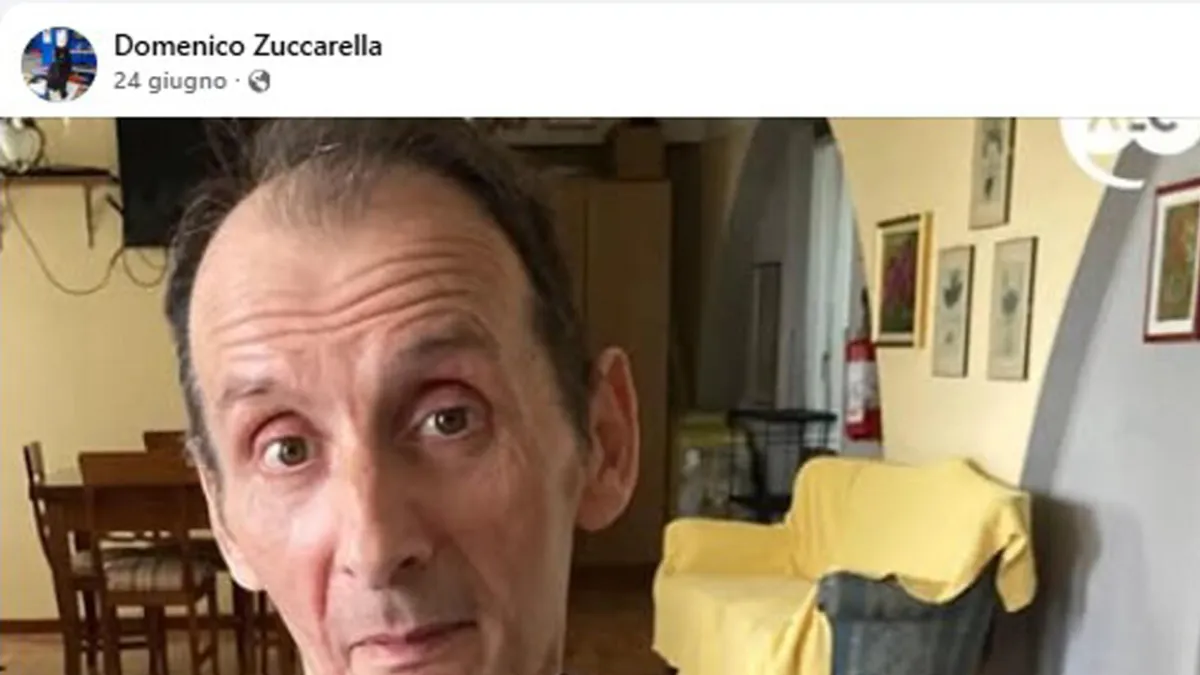
MILAN – Health authorities in the Lombardy region, Italy, recently officially facilitated the first case of medically assisted suicide for a citizen named Domenico Zuccarella, 59, who suffered from progressive multiple sclerosis. This monumental decision has ignited a fierce debate about ethics, human rights, and the state's role in addressing incurable suffering within European society.
Zuccarella, who had long battled a debilitating degenerative disease, had applied for medically assisted death after his condition drastically worsened, causing unbearable physical and mental suffering. His case garnered public attention and became a symbol of patients' struggle for the right to a dignified death.
The approval process did not happen overnight. Various stages of strict medical and legal evaluations were undertaken. An independent medical team assessed Zuccarella's condition as terminal, with no hope of improvement, and affirmed that he was fully capable of making a conscious and informed decision regarding the end of his life.
Lombardy's decision reflects a broader development in Italy's legal landscape concerning euthanasia and assisted suicide. Although Italy traditionally holds a conservative stance, previous legal cases, such as the Constitutional Court's ruling in the DJ Fabo case, have opened the door for patients with incurable diseases to seek assistance in ending their lives under very strict conditions.
The Lombardy regional government asserted that this step was taken in accordance with the existing legal framework, which requires health services to facilitate requests for assisted suicide when all medical and legal criteria are met. This marks a significant turning point for the public health system in Italy, which is now actively involved in this sensitive process.
Public reaction is divided. Patient rights advocacy groups welcomed the decision as a victory for individual autonomy and the right to end suffering. They argue that every individual has the right to determine their own destiny, especially when facing an incurable disease and a severely diminished quality of life.
However, the Catholic Church, which holds strong influence in Italy, along with other pro-life organizations, strongly condemned the action. Pope Leo XIV and other religious leaders consistently affirm that life is a sacred gift and that euthanasia or assisted suicide is a violation of divine law. They call for an increase in palliative care as an alternative.
Doctors and medical professionals also voiced diverse opinions. Some support patients' right to choose, while others feel ethically conflicted due to the Hippocratic oath to save and preserve life. Specific training and psychological support are crucial for medical staff involved in this procedure.
Zuccarella's case is not only a precedent in Lombardy but also fuels a nationwide debate in Italy about the need for clearer and more comprehensive national legislation on assisted suicide. Currently, legal interpretations still rely on court rulings rather than explicit legislation, creating uncertainty for patients and healthcare providers.
The implications of this decision for health policy in Italy and other European countries are substantial. It opens the door for a potential increase in demand for similar procedures, pressuring health systems to develop more structured protocols, and sparking deeper philosophical discussions about the boundaries and responsibilities in modern healthcare.
Editorial Insight: The decision by Lombardy health authorities to facilitate medically assisted suicide marks a complex evolution in ethics and law in Italy. While offering hope for suffering individuals, this act also deepens the divide between individual rights and traditional moral principles. The future will likely witness more legal and ethical challenges as society grapples with the concept of a dignified death within the context of increasingly advanced and challenging healthcare.