 Chandra Wijayanto
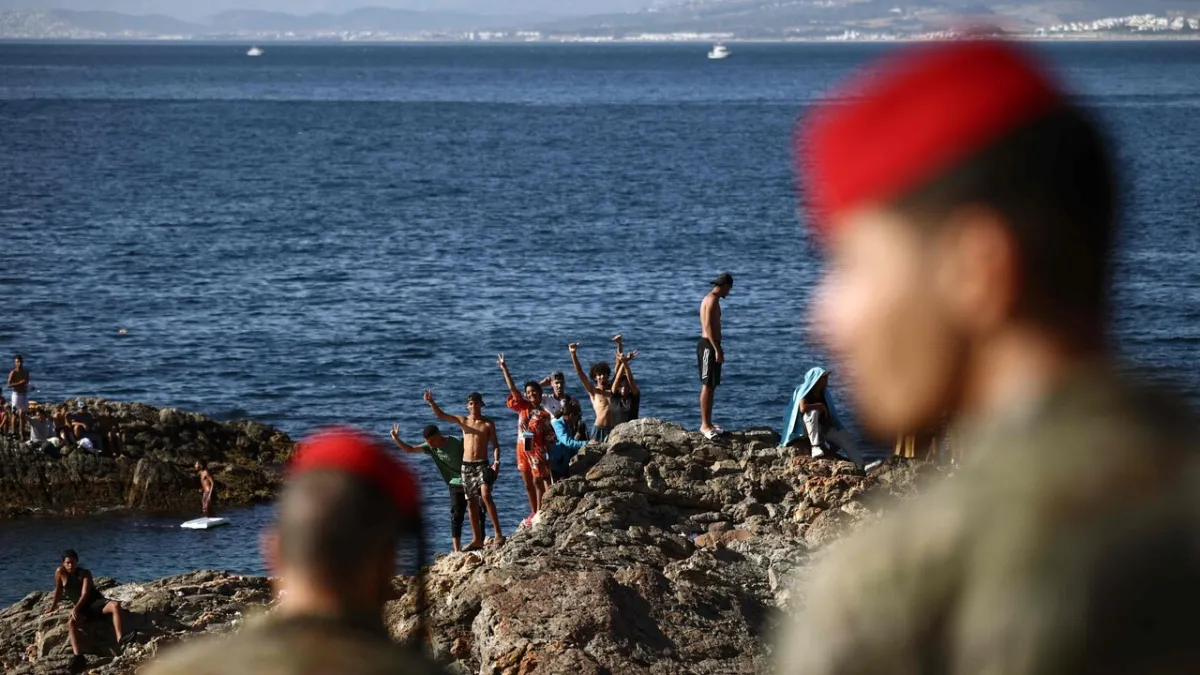
MADRID — Diplomatic turmoil has once again shaken Europe after Spain's Foreign Minister, Jose Manuel Albares, launched a scathing critique against Italy. Albares publicly accused Rome of failing to adequately address the wave of migrants, asserting that Italy's handling had not met the standards expected by its fellow EU members in 2026.
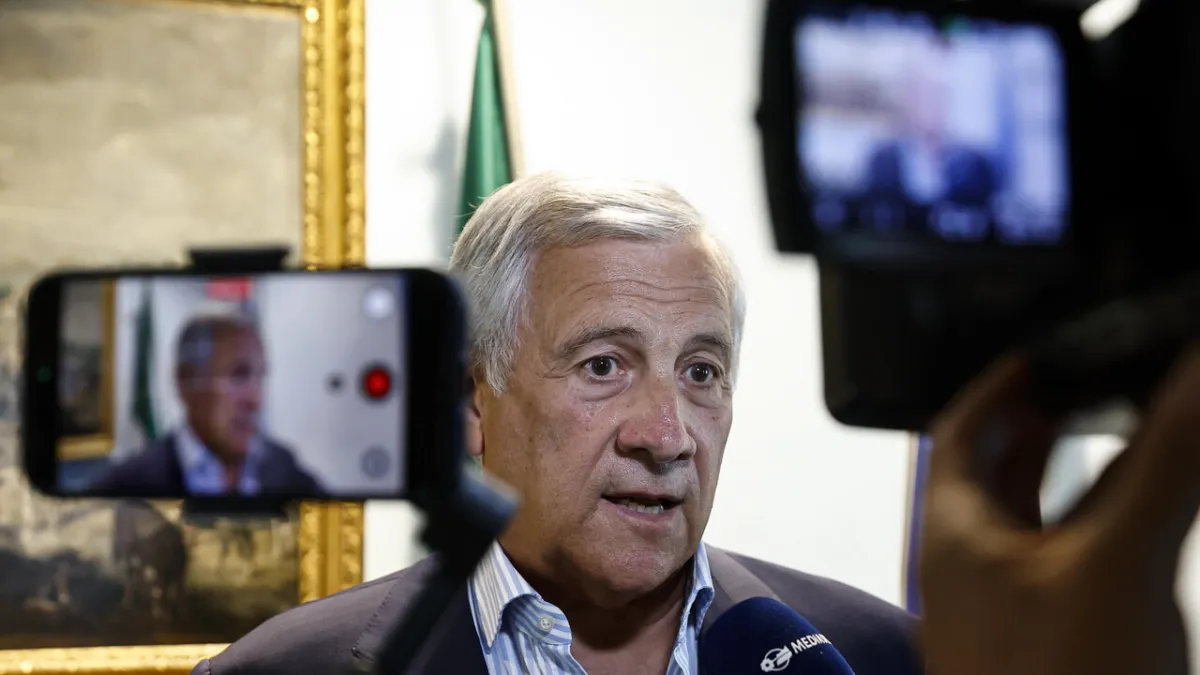
The harsh criticism from Madrid was met with an immediate defensive response from ROME. Italy's Foreign Minister, Antonio Tajani, along with the Interior Ministry, vehemently denied Spain's allegations. They claimed that data indicated a significant decline in migrant landings on Italian shores, signifying the effectiveness of their implemented policies.
This dispute between the two Mediterranean nations comes amidst ongoing efforts by the European Union to find a common solution to the immigration challenge. The migrant crisis has indeed been a crucial issue, frequently triggering tensions among member states over the years, with each nation facing different pressures and perspectives.
Addressing the escalating tensions, European Commission President, Ursula von der Leyen, promptly called for unity and solidarity among member states. Von der Leyen emphasized the importance of a collective approach and close cooperation to manage migrant flows humanely and effectively, thereby preserving the cohesion of the European Union.
In a broader global context, former U.S. President Donald Trump also weighed in on the issue. Trump bluntly stated that immigration is 'killing Europe,' a controversial assertion often echoed by populist groups across the continent.
Trump's statement, delivered amidst Europe's heated discourse, underscores the polarization of global opinion on migration. Such rhetoric often complicates diplomatic efforts and the search for consensus among European leaders.
Albares' comments from Spain specifically pointed to Italy's capacity to accommodate and process migrants, as well as its allegedly slow repatriation mechanisms. Spain, as another primary gateway for migrants crossing the Mediterranean, has similar experiences in dealing with surges in arrivals.
Italy, under Prime Minister Giorgia Meloni's leadership in 2026, has strengthened its immigration policies, focusing on stricter border controls and agreements with migrant origin countries. Tajani and the Italian Interior Ministry argue that these measures have yielded results, evident from the downward trend in arrivals.
Analysis suggests that this tension is not merely an isolated incident but a reflection of the uneven burden borne by frontline migration countries. Without fairer and more sustainable burden-sharing mechanisms, similar frictions are expected to continue emerging in the future.
The European Commission's efforts under von der Leyen continue to formulate a comprehensive Pact on Migration and Asylum. However, its implementation still faces significant resistance from some member states prioritizing national sovereignty in immigration policy. Models such as those promoted in Albania post-Ceuta, or potential migrant hubs in Uganda and Montenegro, are being considered to alleviate pressure. Read more about similar efforts in Europe with the Albania post-Ceuta model, or border tragedies like Ceuta Mencekam.
This debate between Madrid and Rome serves as a stark reminder that the migration challenge is not just a humanitarian or security issue, but also a fundamental test of the European Union's unity and core values. Moving forward, Europe's ability to find common ground will determine its regional stability on the global stage.