 Chris Robert
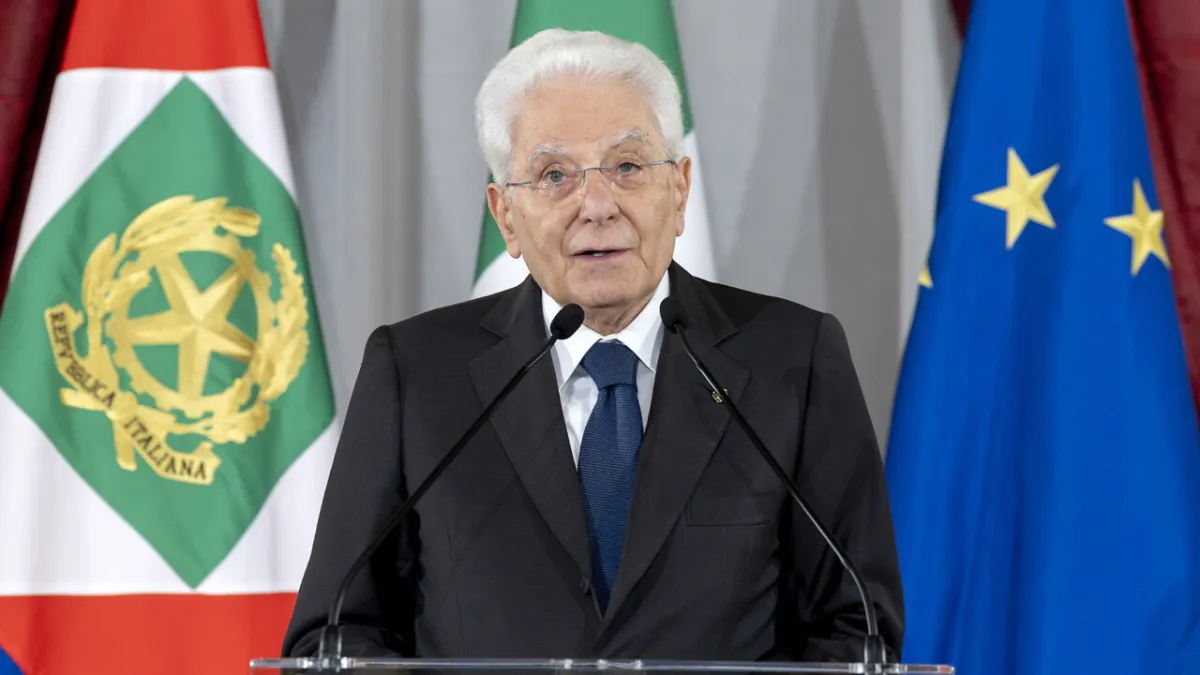
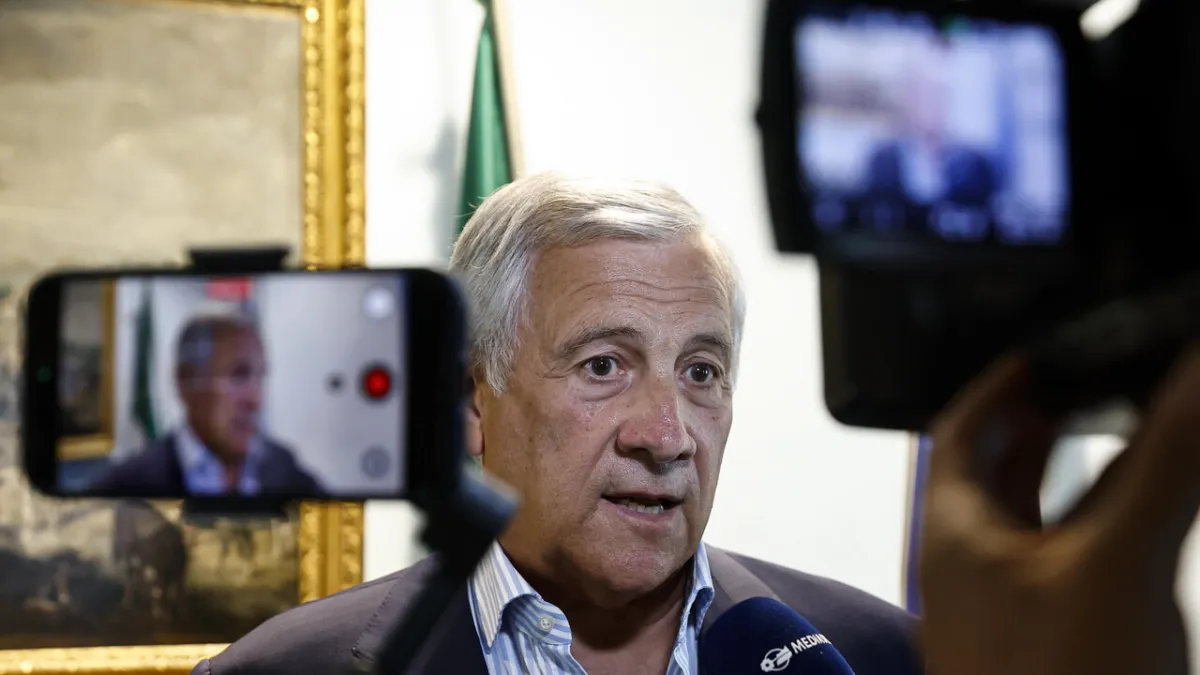
ROME – Italian President Sergio Mattarella issued a grave warning to the international community regarding the re-emergence of power politics in asserting global interests. The statement highlights a worrying trend that could destabilize the world order, despite the European Union's (EU) recognized undeniable successes and a strategic position that is both desired and opposed globally.
According to Mattarella, there is a disturbing tendency to restore power-based policies that once dominated previous eras. This refers to approaches where nations tend to use their military or economic might to impose their will without regard for multilateral diplomacy principles.
This phenomenon, Mattarella added, has the potential to trigger instability, escalate conflicts, and undermine the framework of international law painstakingly built after the Cold War. Vigilance must be heightened to prevent the world from falling back into extreme polarization.
President Mattarella also underscored the paradoxical position of the European Union. He acknowledged that the EU has achieved many undeniable successes in building peace, prosperity, and integration among its members. These successes make the EU a model desired by many.
However, the EU's success, on the other hand, makes it a target of opposition from several global powers. In the world, the European Union is both desired and opposed, indicating efforts to weaken Europe's influence or integration model.
Mattarella's analysis aligns with the views of several international political observers who have noted increasing geopolitical tensions recently in 2026. Issues such as regional conflicts, arms races, and struggles for influence in various parts of the world are tangible indicators of the trend he highlighted.
This condition is also touched upon in another article concerning global threats, such as Gabriel's revelation that Russian Aggression Targets the West, Not Just the Ukrainian Conflict!. This shows that Mattarella's concerns resonate across various lines of contemporary geopolitical analysis.
To address these challenges, Mattarella implicitly called for strengthening diplomacy, constructive dialogue, and adherence to international law. The use of force must be a last resort, not a primary instrument in ambitious foreign policy.
As a key member of the European Union and the G7, Italy under President Mattarella's leadership will likely continue to promote a multilateral approach to crisis resolution and broader conflict prevention. Commitment to these principles is crucial.
This statement serves as a firm reminder to all nations to reconsider the direction of their foreign policies to avoid dragging the world into a more unstable and confrontational era, repeating past mistakes.
Editorial Insight: President Mattarella's warning is not mere formal rhetoric. It is a sharp reflection of the increasingly complex geopolitical reality of 2026. The trend towards power politics can erode global peace achievements and trigger widespread instability. The European Union, with all its internal and external challenges, remains an important bulwark for a rules-based international order. World leaders must heed this message as an urgent call for a recalibration of global diplomatic strategies, before it is too late.